Summary
- The spinout comes from research at imec, VIB and Ghent University.
- Imec.xpand led a €6 million seed round announced on 8 October.
- The platform targets individual-cell analysis; manufacturing and patient benefits remain prospective.
Belgian research spinout SpectaCell has launched with €6 million in seed financing to develop a platform for observing how individual cells respond to experimental treatments. The company emerged from work at semiconductor research institute imec, life sciences organisation VIB and Ghent University, according to joint announcements dated 8 October.
The round was led by imec.xpand, with participation from PMV’s Flanders Future Tech Fund, InnovationQuarter Capital, Qbic and VIB. The founders are Tony Montoye, Veronique De Vroey, Mathieu Rabaey and Jan Van de Velde. Their backgrounds span technology development, biotechnology, data analysis and commercial operations; the founding announcement does not give a timetable for a commercial product release.
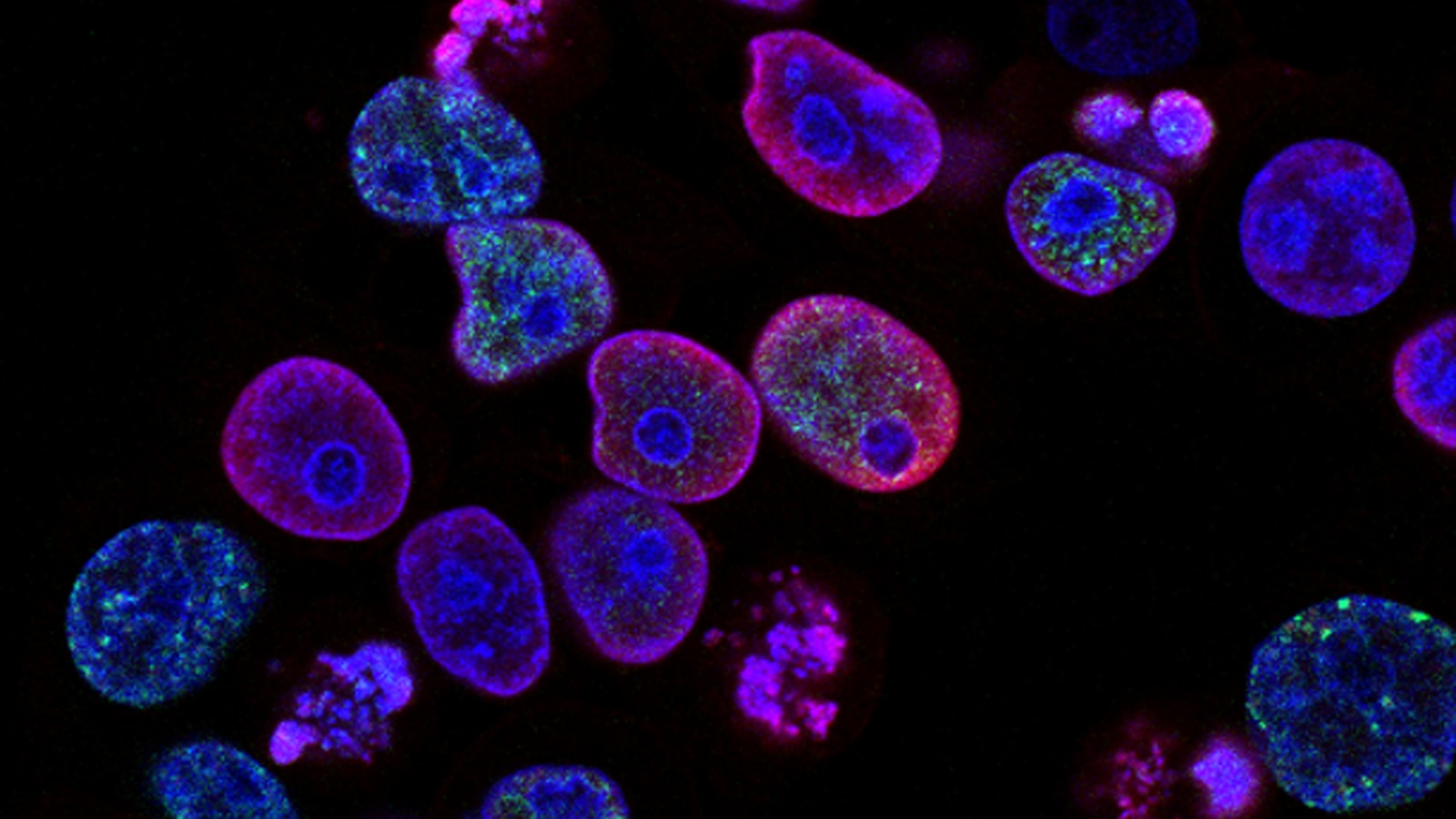
SpectaCell combines semiconductor technology with biological analysis to measure responses at the level of individual cells. Its proposed initial applications include immunotherapy research, where understanding variation between cells may help developers compare candidate treatments rather than rely exclusively on aggregated measurements from a sample.
An average response can conceal differences between individual cells. In principle, a more detailed distribution of responses could allow researchers to identify unusual behaviour or investigate why a promising treatment works in some experimental conditions but not others. Whether those additional observations improve decisions depends on the accuracy, consistency and biological relevance of the measurement.
The research institutions say the technology is intended to deliver insights within hours where some existing analysis methods require days. That is a development proposition in the announcement, not an independently benchmarked result across laboratories and therapy types. Sample preparation, experimental design and subsequent interpretation can all contribute to the time needed for a study.
The distinction matters when assessing the commercial opportunity. Faster collection of measurements could allow teams to examine more candidates, but throughput is useful only if repeat experiments yield dependable information and the instrument can be integrated into routine laboratory procedures. Researchers would also need to establish which measured properties predict the outcomes they are trying to improve.
The company names cell therapies and T-cell engagers among its target areas. These therapies involve biological mechanisms in which interactions between immune cells and other cells are relevant to treatment development. Measuring those interactions at finer resolution could support research, although the announcement does not establish that SpectaCell’s device predicts patient response or replaces clinical studies.
SpectaCell also envisages a role in manufacturing. Advanced therapies can be difficult to produce consistently because biological materials and processes vary. Additional cell-level measurements might assist process monitoring, but moving an analytical method from research into regulated production demands more than a promising instrument demonstration.
Manufacturers need qualified methods, defined acceptance criteria, repeatability across production runs and documentation showing that results correspond to relevant quality attributes. A technology suitable for exploratory experiments might require substantial modification before its output could inform formal release or quality-control decisions. The press release provides no evidence that those manufacturing qualifications have been completed.
The Belgian-Dutch investment group connects the company with semiconductor and biotechnology ecosystems in both countries. That may provide access to research facilities and potential partners, but investment backing is distinct from customer adoption, clinical validation or regulatory clearance.
The immediate commercial tests are consequently measurable: performance comparisons against established methods, reproducibility between laboratories, the practical burden of sample handling and evidence that pharmaceutical researchers can use the outputs to make better decisions. SpectaCell’s €6 million round gives it resources to pursue those tests; it does not pre-empt their results.
One question for prospective pharmaceutical users is whether the platform can be used alongside existing instrumentation rather than requiring an entirely new analytical workflow. The research organisations describe a combination of electronic sensing and biological expertise, but provide limited operational detail about sample formats, instrument throughput and data interfaces. Without those specifications, it is premature to assign a comparative cost per experiment or a particular scale of manufacturing adoption. Early customer evaluation should establish the kinds of treatments and cell populations for which the platform delivers reproducible, decision-relevant measurements.