

Summary
- A cyberattack in July forced a small UK energy facility offline for four days without threatening the wider energy system.
- Reports have linked the intrusion to Iranian actors, but the refined article does not present that as settled UK government attribution.
- The incident places renewed attention on operational technology, remote access, asset visibility, segmentation, and the resilience of smaller infrastructure operators.
A cyberattack forced a small British energy facility offline for four days in July, providing a concrete example of how an intrusion into operational technology can move beyond stolen data or interrupted office systems and disrupt physical infrastructure.
The affected site has not been publicly identified, while government statements have emphasised its limited scale and said the wider energy system was not endangered. British reporting has linked the incident to Iran-associated hackers, although that assessment should be separated from a formal government attribution to Iran or any named threat group.
That distinction matters operationally because identifying the actor behind a cyber incident can require intelligence beyond the forensic evidence available to the affected operator. Infrastructure, malware, and techniques can be shared among state groups, affiliates, criminals, and hacktivists, leaving confidence around responsibility dependent on evidence that may not be public.
The incident nevertheless arrives after the National Cyber Security Centre repeatedly warned that Iran-linked actors retain meaningful cyber capability and that geopolitical tension can increase risks to British organisations. The agency has also been urging critical-infrastructure operators to understand exposed systems, control connectivity, and prepare for more severe cyber events.
Physical systems change the consequences
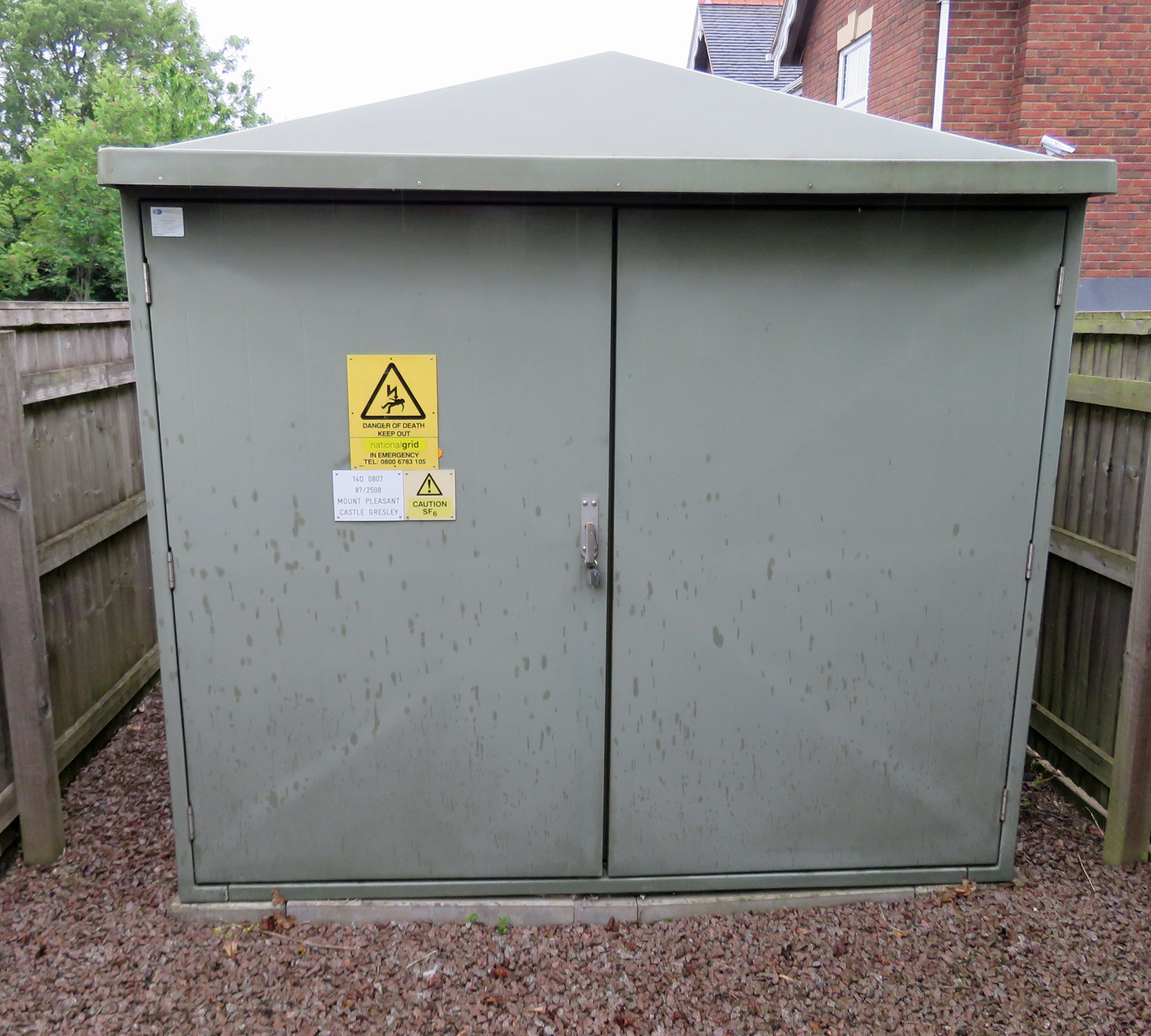
The limited scale of the affected generator prevented the outage becoming a wider grid event, but smaller infrastructure remains part of the country’s operational surface. Energy networks now combine major plants with smaller generators, storage facilities, renewable installations, control platforms, market systems, and third-party service providers, creating a much wider technology estate than the traditional picture of a handful of heavily protected power stations.
Operational technology is difficult to secure because many systems were designed around reliability, timing, and long service lives rather than exposure to modern networks. Equipment can remain in production for decades, while changes that would be routine in enterprise IT may require engineering assessment, shutdown windows, safety testing, and recertification.
Connectivity has meanwhile expanded through remote maintenance, central monitoring, supplier access, analytics, and links between operational and business networks. Those capabilities improve efficiency, but every connection also creates a route that has to be governed, segmented, monitored, and included in recovery planning.
The July attack appears to have crossed the boundary between an ordinary corporate compromise and physical disruption because the facility itself stopped operating. Even where the national effect was negligible, four days without generation is a measurable business and operational consequence for the organisation involved.
Smaller operators sit inside larger systems
Distributed infrastructure complicates cyber resilience because national security cannot be measured only by the controls at the largest operators. Smaller sites can run common equipment, depend on the same service companies, or use remote access in similar ways, allowing a weakness demonstrated at one facility to provide useful knowledge about others.
Asset visibility becomes particularly important under those conditions. Operators need authoritative inventories showing what equipment exists, how it connects to business processes, who can access it, and which dependencies are necessary, because an incident becomes much harder to isolate and recover from when defenders are still discovering the architecture while the system is offline.
The event also fits a wider European concern around electricity infrastructure. Techopia examined in July how cyber risk is becoming inseparable from grid resilience, particularly as geopolitical confrontation and connected energy infrastructure put operational security into strategic planning.
The latest incident does not show that Britain’s grid was close to failure, and the available official account points in the opposite direction. Nor does the evidence justify treating the reported Iran link as settled public attribution. It does, however, establish that a cyber incident caused a physical outage at a British energy facility, providing infrastructure operators with a practical event against which to test their own controls.
As energy becomes more distributed and connected, resilience will increasingly depend on what happens below the level of nationally prominent operators. Segmentation, supplier access, asset inventories, and recovery planning attract less attention than sophisticated threat groups, but those controls eventually decide whether an intrusion remains a security alert or becomes an operational shutdown.


