

Summary
- Sferical One has operated since late summer 2026 and was formally launched on 15 October.
- Its operators describe a 16-rack NVIDIA GB300 NVL72 configuration containing 1,152 GPUs.
- SEB has begun using the infrastructure for selected applications, while other participating companies are developing industrial use cases.
A consortium of major Swedish companies has put a shared AI supercomputer into operation, establishing a new model for financing advanced computing infrastructure while retaining control over industrial data, models and workloads.
Sferical AI formally launched Sferical One on 15 October on behalf of a group involving AstraZeneca, Ericsson, Saab, SEB and Wallenberg Investments, with SKF as a strategic partner. The system has been running since late summer, giving the launch a more substantial operational basis than an announced construction project.
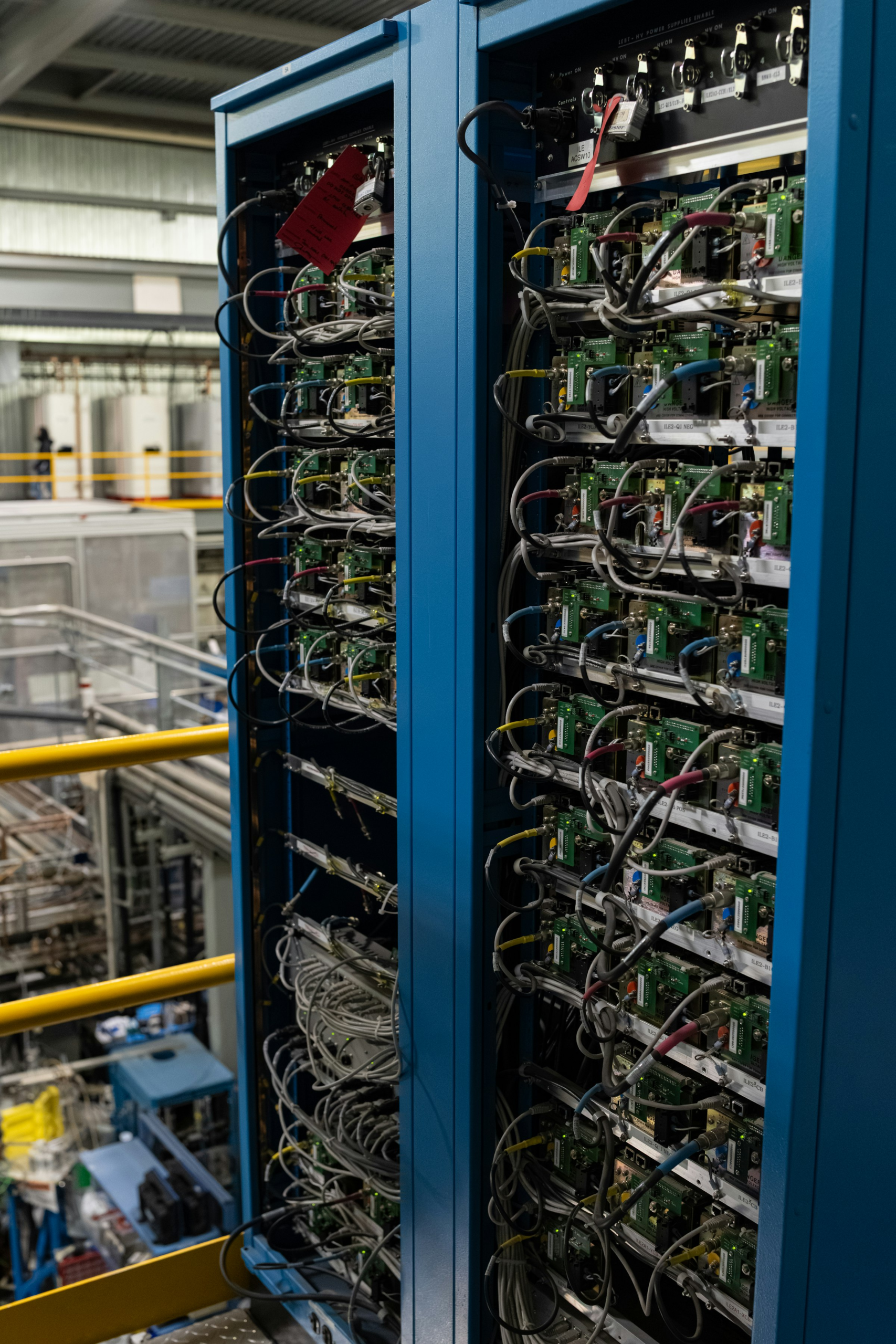
The infrastructure uses NVIDIA’s GB300 platform in a 16-rack configuration containing 1,152 GPUs, according to Sferical’s published technical description. It provides capacity for large AI model training and inference workloads in Sweden, with participating organisations retaining separate access arrangements and control over their information.
Instead of each organisation building the same computing capability independently, Sferical pools investment, specialist knowledge and hardware. Its members operate in different industries, but share a need for advanced processing capacity that can support internal data and technical development.
The commercial proposition extends beyond obtaining access to expensive accelerators. Organisations working with pharmaceutical research, defence technology, banking information and telecommunications networks must also establish where data is processed, which people can access it and how models are developed within the requirements of their operating environments.
Swedish hosting offers greater influence over infrastructure location and governance, although it does not remove dependence on international chipmakers or software suppliers. The computing equipment is supplied by NVIDIA, whose models and development systems are also expected to contribute to the consortium’s wider technical programme.
Separate industries, common computing resources
The consortium members have identified different applications for the new infrastructure. AstraZeneca is developing uses involving scientific research, while Ericsson is working on telecommunications models and network automation. Saab’s interests include defence applications, and SKF is examining industrial uses involving manufacturing and equipment performance.
SEB provides the clearest publicly identified example of operational adoption. The bank announced that it had started using Sferical One for selected business applications, moving from infrastructure development into early practical implementation.
Its initial programme includes information retrieval, data analysis, software development and work combining AI capabilities with internal banking information. The bank intends to expand access through controlled deployment rather than making every available model and application immediately accessible across the organisation.
SEB has also indicated that it will continue using other technology providers. This approach recognises that sovereign infrastructure is one option within a wider computing strategy, with workload placement influenced by cost, performance, data handling requirements and the systems already deployed.
That distinction is important when assessing the economics of private AI infrastructure. Training large models can create periods of intensive demand, while inference and experimentation may generate more variable workloads. Shared investment could improve the use of expensive equipment, but the consortium has not published independently verified comparisons showing how much it saves against separate deployments or commercial cloud services.
Nor has Sferical demonstrated that every announced industrial application is already operating in production. The installation is live, but individual projects remain at different stages of development, testing and integration.
Segregating data and workloads is central to the shared operating model. A bank’s customer information cannot be treated as interchangeable with pharmaceutical research or defence-related data simply because the organisations occupy the same computing environment.
The consortium therefore needs technical and administrative arrangements for allocating capacity, managing access and controlling how models are trained or deployed. These requirements can influence infrastructure utilisation and the ability of participants to collaborate on common technical problems.
Industrial sovereignty depends on operating control
European companies increasingly face choices about whether to use hyperscale public clouds, specialist AI infrastructure providers or computing resources they own or control directly. The right answer depends on workload characteristics as well as procurement and governance requirements.
Sferical One represents a consortium approach in which several companies share capital expenditure and technical expertise. This differs from the conventional commercial cloud model, where customers purchase services from a provider that decides how underlying infrastructure is financed and expanded.
The initiative also differs from publicly backed AI Factory programmes offering research and business support to a much wider group of users. Sferical One’s initial participants form a defined industrial group with access structured around their shared investment.
Its operators intend to develop services using NVIDIA’s Nemotron open multimodal models. Access to models that can be adapted for specific tasks may support enterprise development, although organisations still need to validate accuracy, performance and security before relying on them in sensitive applications.
Foundation models for telecommunications or industrial engineering must also fit operational systems with demanding performance requirements. Demonstrating that a model performs well during experimentation is different from proving that it can safely influence network management, production decisions or scientific conclusions.
Whether the consortium’s approach can be extended to additional participants will depend on capacity, governance and financing arrangements that have not been fully disclosed. Adding new users could improve utilisation but would also introduce further requirements for access control and commercial management.
The infrastructure’s launch establishes that the participating companies have moved beyond planning and hardware procurement. Its longer-term value will be measured through individual deployments, the computing costs incurred and whether shared resources produce advantages over the alternatives available to each member.


