Summary
- Kenyon Hall Farm developed a bespoke ticketing platform through the University of Salford's six-week BUILD AI accelerator.
- The live platform reportedly handles around 10,000 visitors weekly during peak periods, with annual software expenditure falling from £8,000 to £600.
- Of the accelerator's 12 participants, four products reached launch or near-launch, six prototypes entered testing, and two existing ventures were accelerated.
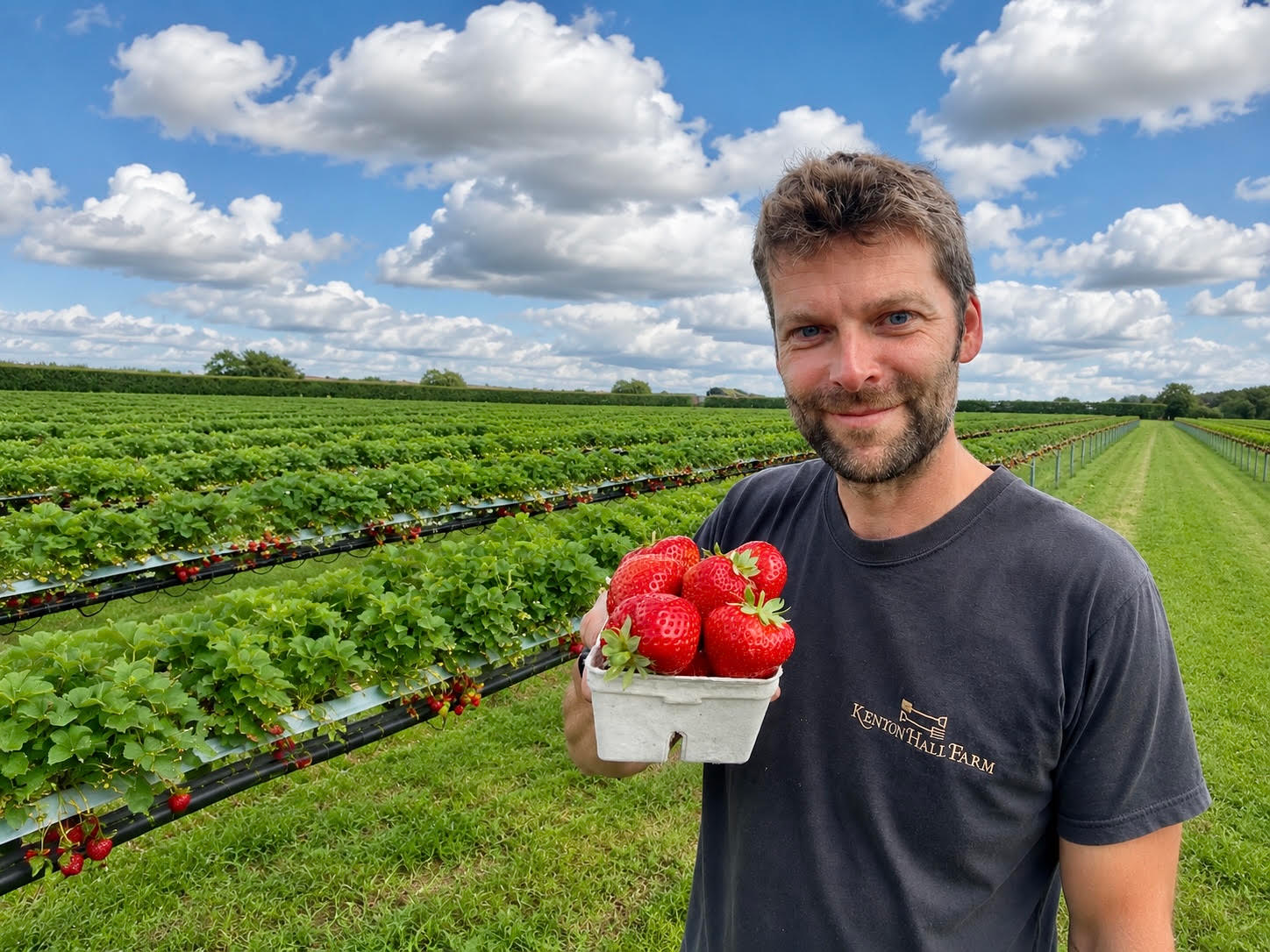
A Warrington fruit farm has replaced external ticketing software with a bespoke application built through the University of Salford‘s BUILD AI accelerator, reporting a reduction in annual software costs from £8,000 to £600. The system is now live at Kenyon Hall Farm, where it handles bookings for around 10,000 visitors a week during peak periods.
James Bulmer, whose family operates the farm, developed the platform during the university’s six-week programme. The software lets the business change ticket availability in ten-minute intervals, tailor messages to customers, and manage bookings from a mobile phone. Those capabilities address an operational problem created by seasonal demand and fruit availability, rather than introducing AI directly into farming equipment or crop production.
The annual cost figures represent a reported reduction of £7,400, or 92.5%, in software expenditure. The farm says it has redirected savings towards seasonal employment, including jobs for local students, and improvements to the visitor experience. Neither the university’s case study nor the available reporting establishes an independently audited total cost of ownership for the replacement platform.
The deployment gives the accelerator a measurable business outcome, with customers using the application rather than merely testing a prototype. It also raises longer-term questions about the maintenance and security responsibilities businesses assume when they build their own operational software.
Bookings change with the harvest
Kenyon Hall Farm’s visitor activities include pick-your-own fruit, where the number of available places depends partly on crop conditions. Ticket allocations need to reflect how much fruit is ready and how many people can visit without undermining the experience or the operation of the farm.
A conventional events platform can manage admissions, but the farm wanted more direct control over availability and customer information. Its existing supplier also imposed costs that Bulmer considered excessive for the requirements of the business.
The new application allows adjustments in ten-minute increments and offers a way to tailor instructions to visitors. That combination is operationally useful when availability changes at short notice and customers need accurate information before travelling.
According to the farm, around 10,000 visitors use the system weekly during peak periods. This is a seasonal measure rather than a claim about average weekly usage across the year, and it describes customer activity rather than a technical benchmark of transactions processed.
Bulmer had worked in IT before returning to the family farm in 2016. His previous experience is relevant when assessing how readily other small businesses could reproduce the result, even though BUILD AI was designed to help participants without conventional software development teams.
Building an application within six weeks
BUILD AI was created by the university’s Centre for Sustainable Innovation with NoCodeLab.ai. Its practical programme combines six sessions with access to AI-assisted development tools, mentoring, and advice on turning an idea into a working product.
Participants are encouraged to identify a business problem and build a minimum viable product, rather than completing general training about AI. The university’s programme description includes work on application interfaces, integrations, authentication, and routes to commercialisation.
AI-assisted coding can help translate requirements into software, but generating a functional prototype does not remove the need to test the resulting application. A ticketing system must prevent conflicting bookings, manage customer information appropriately, and remain accessible when demand increases.
The available case study does not disclose the platform’s full technical architecture, its payment provider, hosting arrangements, or security testing. Those omissions do not negate the reported operational result, but they limit conclusions about whether the approach would be appropriate for other businesses with more complex requirements.
Developing a tailored system can also transfer responsibilities previously handled by a software supplier to the business using it. Updates, incident response, access controls, and compatibility with other services become continuing considerations after the initial build.
Savings need a full cost comparison
Kenyon Hall Farm reports that annual software expenditure fell from £8,000 to £600 after the change. On those figures, the reduction is 92.5%, although the comparison does not separately identify development time, future enhancements, hosting, support, or other costs that might arise.
The farm has said it is putting some of the savings into seasonal staffing and the visitor experience. That is a reported use of the resources released, not evidence of a precisely attributable number of additional jobs.
For a small enterprise, avoiding a recurring subscription can be attractive when the commercial product provides functions that the business does not need. A customised system may also support processes that would be expensive or difficult to accommodate through standard configuration options.
Yet the economics can change when software requirements grow. A payment integration may need updating, customer expectations may evolve, and a security vulnerability can require urgent attention. Costs avoided through a subscription may reappear as engineering or support work, particularly if the person who built the application becomes unavailable.
The test for Kenyon Hall Farm will therefore extend beyond the initial annual saving to whether the platform remains dependable through future picking seasons. The reported peak usage provides a useful measure of adoption, while sustained operation will give a better picture of maintenance needs.
Other accelerator projects remain at different stages
The first BUILD AI cohort included 12 participants. The university reports that four products reached launch or near-launch, six working prototypes entered testing, and two existing technology ventures were accelerated.
These outcomes should not be conflated with twelve live commercial deployments. A product approaching launch still faces customer adoption, support, and potentially regulatory requirements, while a prototype undergoing testing may need substantial further work.
Other projects addressed problems in fields including accessibility, pharmaceutical development, construction, and manufacturing compliance. Their different maturity levels make direct comparisons difficult, especially where some involve sensitive information or services that demand higher assurance.
Kenyon Hall Farm is a comparatively clear case because the business identifies both active usage and a change in its operating expenditure. Even there, the savings and performance figures come from the participants and programme reporting rather than independent financial or technical audits.
The accelerator’s broader commercial results will depend on whether products continue operating after structured support ends. Durable adoption, paying customers, and support costs provide stronger evidence than numbers of prototypes alone.
Small companies weigh buying against building
Businesses increasingly have a choice between purchasing established applications, configuring software platforms, and developing their own tools with AI assistance. The options differ in upfront expenditure, flexibility, ownership, and the responsibility for keeping systems secure and functioning.
Kenyon Hall Farm chose to build around an unusually specific booking requirement and has reported an immediate benefit. A different enterprise handling regulated financial records or complex industrial equipment could face significantly greater testing and compliance demands.
Salford’s programme shows how structured technical support can help a smaller company turn a clearly defined operational need into working software. The next evidence of the model’s value will come from the durability of the farm’s system and the proportion of other cohort projects that progress from prototypes into regular commercial use.