

Summary
- Quadient has agreed to sell its roughly 3,000-locker UK open network for €65 million and has started a sale process for most of the remaining global lockers operation.
- A full exit is expected to remove about €120 million of planned capital expenditure over five years while reducing leverage and releasing additional sale proceeds.
- The company is concentrating capital on digital automation and European e-invoicing, where recurring software revenue offers a different margin and investment profile from physical infrastructure.
Quadient is withdrawing from most of the parcel-locker infrastructure it spent years building, choosing instead to put more of its capital behind digital automation as European e-invoicing mandates create a larger software opportunity.
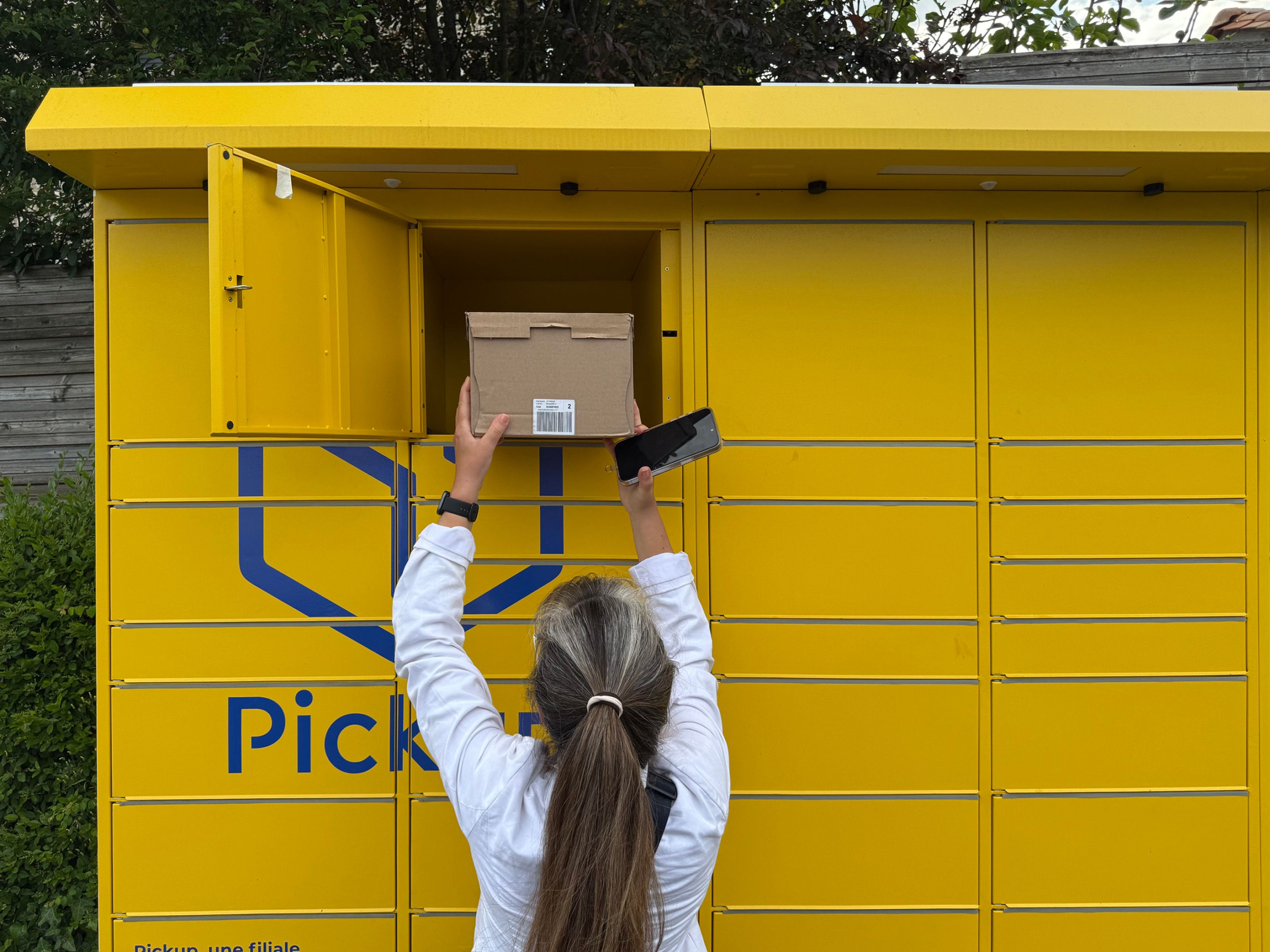
Quadient has agreed to sell its UK open locker network to IDS Holdco for an enterprise value of €65 million, while launching a sale process for the larger North American and Japanese operations. The UK network contains roughly 3,000 lockers, and completion is expected before the end of Quadient’s 2026 financial year.
The decision follows a strategic review announced in July and reverses the expansion logic behind one of Quadient’s three major businesses. Its global lockers operation had grown from roughly 2,000 units and €6 million of revenue in 2018 to 27,700 lockers and €114 million of revenue in the 2025 financial year, with annual growth of 22.4%.
Growth was not enough to keep the business inside the group. The lockers operation produced a 5% EBITDA margin after reaching break-even during 2024, while management sees stronger long-term returns in digital software, where recurring subscription revenue, automation, and regulatory demand around electronic invoicing require less physical capital.
The disposal gives that strategic decision a direct financial effect. Quadient expects the UK transaction to reduce its targeted leverage ratio, excluding leasing, from around 1.5 times to around 1.2 times if completed during the current financial year, while selling the wider lockers business is expected to remove roughly €120 million of capital expenditure that would otherwise have been required over the next five years.
The company will retain a smaller European private-locker network inside its Mail operation, but most of the physical infrastructure is being separated from a business that increasingly describes itself through digital communications, finance automation, and software-led processes.
Physical growth consumes different capital
Parcel lockers have benefited from the growth of e-commerce and the need for carriers to reduce the cost of repeated doorstep deliveries, yet scaling an open network requires sites, hardware, installation, maintenance, connectivity, software, commercial agreements, and continued capital expenditure as coverage increases.
An infrastructure business can therefore be strategically useful while still producing a lower financial return than software. Quadient’s own numbers illustrate that tension: the lockers operation was growing quickly and had become profitable, but management expects a sale to release cash immediately and prevent another substantial round of physical investment.
IDS Holdco is buying a four-year-old UK network with carrier relationships, host sites, a growing pipeline, and an operating team already in place. The transaction consequently looks less like the disposal of a failed product than a decision about which business model Quadient wants its balance sheet to support.
Digital subscriptions behave differently because adding customers does not require another physical asset to be installed at every new location. Software still carries development, cloud, sales, compliance, and support costs, but recurring revenue can scale without the same direct relationship between growth and physical infrastructure expenditure.
Quadient’s first-half results show why management is making that comparison. Digital annual recurring revenue reached €264 million, up 12.9% on an annualised organic basis, while Digital EBITDA increased 17% organically. Overall Digital bookings grew by more than 20% during the second quarter.
E-invoicing becomes the next expansion market
European regulation provides another reason to concentrate resources on the software operation. Mandatory electronic invoicing is expanding across the continent, requiring companies to replace document-based processes with structured systems capable of creating, receiving, validating, transmitting, and retaining invoices under national rules.
France is already contributing materially to that strategy. Quadient said more than 950,000 entities had registered through its platform and more than 700,000 invoices had been processed since the latest phase of the country’s e-invoicing regime began on 1 September.
That market is not simply another document-management opportunity. Mandatory e-invoicing places software between companies and tax administrations, making uptime, interoperability, security, data quality, and compliance part of routine financial operations. Providers able to win customers during a mandated migration can also establish recurring relationships that extend into accounts payable, receivables, communications, and workflow automation.
Quadient expects Digital to become its largest and most profitable solution by 2030, while Mail remains a sizeable cash-generating business despite the long decline in physical correspondence. Selling most of the lockers operation consequently narrows the portfolio around two activities where management believes the financial profile is clearer.
The decision also provides a useful counterpoint to the assumption that every growing technology business should remain inside the company that built it. Locker revenue was expanding, but growth alone did not make the network the best use of Quadient’s capital when further expansion required substantial expenditure and produced thinner margins than its software operation.
Execution now depends on completing the remaining sales and putting the released capital to productive use. Quadient has said proceeds may support deleveraging, investment in growth priorities, or shareholder returns, with the final allocation to be reviewed as the divestment progresses.
The strategic trade-off is therefore unusually clear: a physical logistics network built through thousands of installed assets is being exchanged for a larger bet on software whose growth will depend on regulation, automation, and the willingness of businesses to consolidate more of their financial processes onto recurring platforms.


