Summary
- Made Smarter South East and the University of East Anglia have established a fully funded eight-week digital leadership programme.
- Thirteen manufacturers are participating in the first cohort, building on earlier training that supported 89 individuals from 61 businesses.
- The programme complements technical advice and match-funded technology grants within a £3.1m regional manufacturing support initiative.
Manufacturing businesses across South East England are receiving additional support to develop the management capabilities required to introduce digital technologies, as investment in automation creates new demands on smaller companies’ leadership teams.
Made Smarter South East has partnered with the University of East Anglia (UEA) to deliver a fully funded, eight-week Leading Digital Strategy Programme for manufacturing business owners, directors, and senior managers.
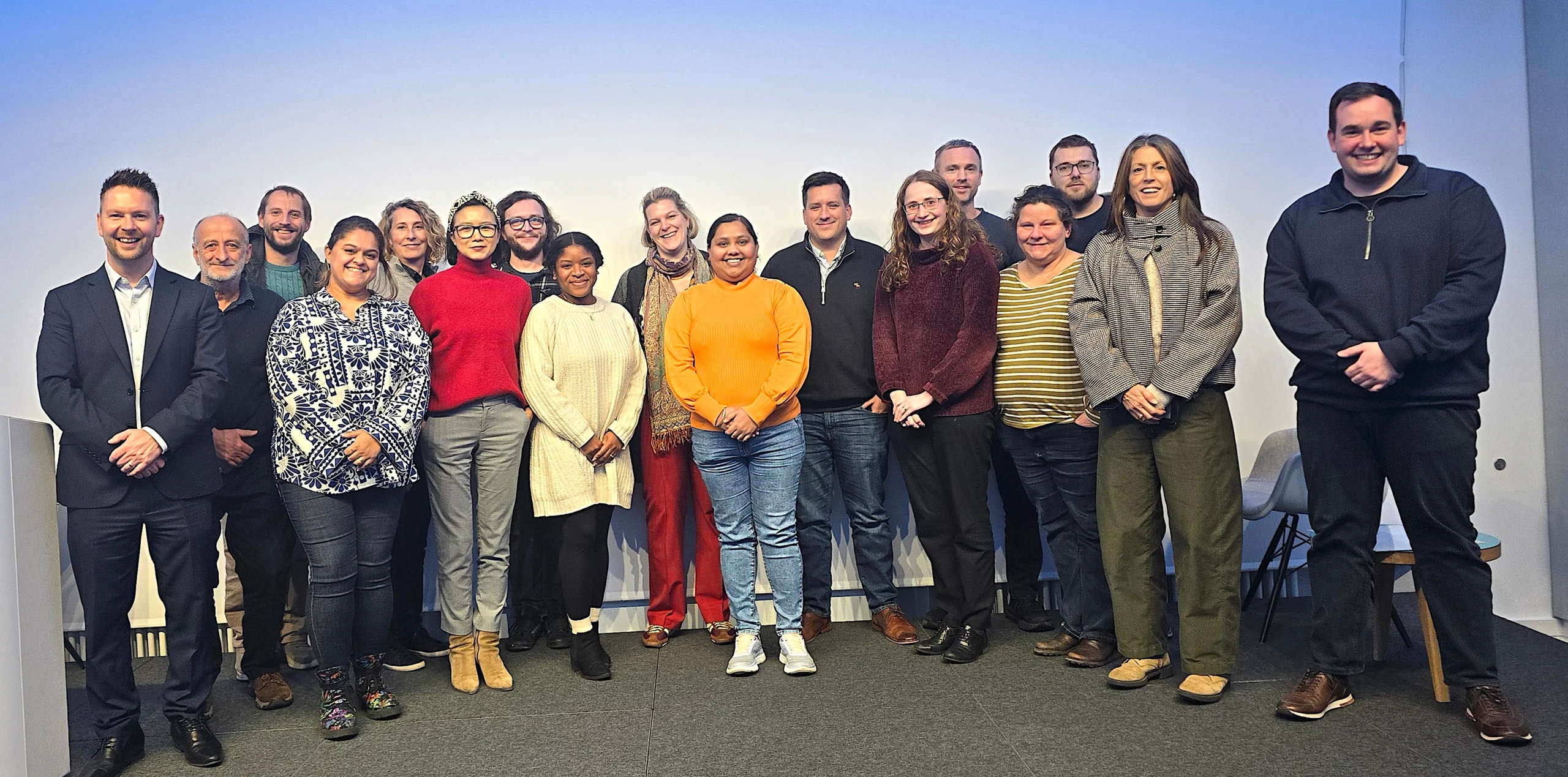
Thirteen manufacturers are participating in the first of three cohorts, including electronics manufacturer OSA Systems, precision engineering company FOX-VPS, and robotics business PyCRobo.
The programme builds on earlier regional leadership training that supported 89 individuals from 61 manufacturing businesses, extending the assistance available to companies investing in digital and automated production technologies.
Professor Tomás Harrington and Dr Ivan Mitchell from UEA’s Norwich Business School will lead the programme, combining workshops, online sessions, industry discussions, and a planned visit to a university innovation facility.
Participants will develop digital strategies for their own businesses, creating a connection between the management training and prospective technology investment.
Sequencing technology investment
For smaller manufacturers, decisions about introducing digital technologies frequently involve working around production equipment and information systems acquired from different suppliers over extended periods.
Investing in advanced analytics or artificial intelligence may require additional work to establish reliable access to production information, particularly where existing machinery was not designed to exchange data with modern software applications.
Establishing those requirements before committing to technology expenditure can help manufacturers determine which projects are commercially viable and how they should be sequenced.
Bryan Vint, programme manager for Made Smarter South East, said: “We’re seeing manufacturers invest in increasingly sophisticated technology, but getting the full value from that investment depends on having people who can lead change and bring their colleagues with them.”
The introduction of production monitoring software, for example, may initially generate information about equipment performance without establishing how that information should be used.
Manufacturers must determine who reviews the resulting findings, how identified problems are investigated, and whether maintenance or production schedules need to change in response.
Those responsibilities can influence the financial returns generated by the technology, particularly where improvements depend on changes to working practices across several departments.
The leadership programme addresses those organisational requirements alongside the technical considerations involved in selecting and implementing digital systems.
Connecting skills with implementation capital
Made Smarter South East has secured £3.1m in funding to continue its regional activities until 31 March 2027, with support encompassing specialist technology advice, student placements, leadership development, and match-funded grants of up to £20,000.
Combining management training with financial and technical assistance could help participating businesses progress beyond developing investment proposals towards implementing them.
For companies operating with constrained capital budgets, assessing digital projects against specific operational requirements can help establish where expenditure is most likely to improve business performance.
The Rider Firm, a West Sussex manufacturer of high-performance bicycle wheels, has previously participated in Made Smarter leadership training alongside investment in advanced computing and additive manufacturing.
Its chief technology officer, Daniel Gillborn, said: “The programme really helped me challenge my thinking around digital transformation.”
Gillborn also identified the opportunity to discuss implementation approaches with other manufacturing leaders as a benefit of participating in the earlier training.
Peer networks can be particularly valuable to smaller businesses that lack extensive internal technology departments. Companies evaluating unfamiliar software or equipment may otherwise depend heavily on suppliers for information about implementation requirements and commercial benefits.
Made Smarter South East also operates a two-day Digital Champions course for employees and managers involved in identifying technology opportunities and coordinating projects.
Providing training at different organisational levels reflects the distribution of responsibilities within manufacturing businesses. While directors determine investment priorities, employees working with production systems often have detailed knowledge of existing operational constraints and the practical requirements of introducing new technology.
The Leading Digital Strategy Programme gives senior managers a mechanism for incorporating those considerations into investment planning, while the separate Digital Champions course supports employees responsible for putting plans into practice.
Registration is open for further leadership programme cohorts planned for January 2027.
With the regional support initiative currently funded until the end of March, those cohorts will enter the programme during its final scheduled months. Subsequent evidence of technology investment and measurable operational improvements will help establish how effectively the combined training, advisory services, and financial assistance have supported manufacturing businesses.