Summary
- A limited number of strategically important UK data centres may receive help through the Connections Accelerator Service.
- Government selection considers economic growth, jobs, and net-zero objectives.
- Ministers have clarified that enhanced engagement with network companies does not guarantee an earlier connection date.
Strategically important UK data centres can receive government help navigating the electricity-connections process, although ministers have clarified that the programme does not guarantee they will be connected earlier, drawing an important boundary around one of the policies intended to support Britain’s AI infrastructure ambitions.
The Department for Business, Innovation, Science and Trade said in a parliamentary answer that a limited number of developments may receive support through the Connections Accelerator Service after a project-selection process and government due diligence.
The assessment includes alignment with priorities such as economic growth, employment, and net zero. However, the department says the service provides enhanced engagement with network companies to identify opportunities for acceleration where possible rather than promising a faster energisation date.
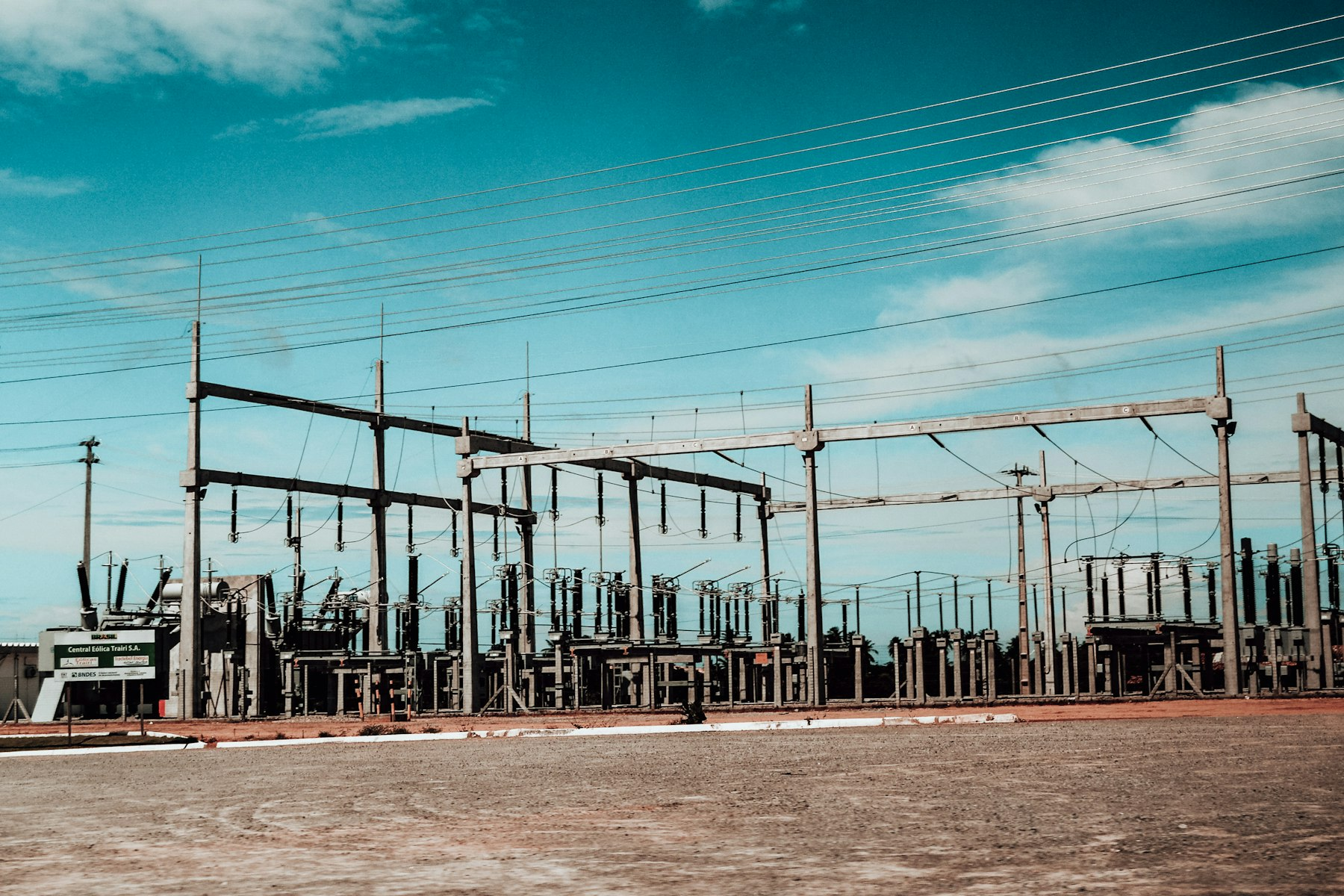
The distinction is commercially significant because access to electricity has become one of the most valuable elements of a proposed data-centre project. Administrative intervention may remove avoidable delays, but it cannot produce transmission or substation capacity that does not physically exist.
Strategic value enters the queue
The accelerator sits inside wider reform of Britain’s electricity-connections system as government and Ofgem try to prioritise credible projects while removing speculative demand. Data centres are prominent in that work because applications for large facilities have grown much faster than the amount of capacity likely to reach operation.
Ofgem estimates that data centres account for around 73GW of referenced demand in the queue. That figure is vastly larger than today’s operating estate, providing a strong indication that not every application reflects a project likely to be constructed.
Reform is moving towards stronger requirements for projects to demonstrate readiness and progress, while strategically important infrastructure can receive more direct engagement from government.
Electricity constraints have consequently become part of UK digital industrial policy, as decisions once treated largely as utility administration increasingly influence which AI campuses and industrial projects move first.
Environmental conditions remain broad
The parliamentary question asked whether support would depend on minimum standards for energy efficiency, water use, low-carbon electricity, demand flexibility, and waste-heat recovery. The government did not establish explicit thresholds across those categories in its answer.
Instead, it pointed to due diligence and broader assessment against growth, employment, and net-zero objectives. That leaves room for future decisions over how environmental performance should be weighted when several viable projects compete for limited capacity.
The issue becomes more consequential as projects grow. A major AI data centre can represent hundreds of megawatts of demand and require reinforcement, substations, cooling, and large amounts of electrical equipment.
Location consequently affects the cost imposed on the wider system. A facility placed where generation and network capacity are available can have a very different grid impact from an equivalent development seeking a connection in an already constrained metropolitan area.
Process reform cannot replace construction
The limits of the accelerator service expose the difference between improving administration and expanding physical infrastructure. Developers can provide better information, speculative applications can be removed, and government can help selected projects navigate network companies, but new lines and substations still have to be built.
Connection waits have become lengthy enough to distort investment planning, while developers ordering accelerators or signing customers need far greater confidence in energisation dates than a general commitment to administrative support can provide.
A project with strategic backing is therefore not equivalent to a project with a firm connection date. Investors still need to know what reinforcement is necessary, how it will be funded, and whether the timetable matches customer and construction commitments.
The government’s answer makes the Connections Accelerator Service more precise. It can give selected data centres a stronger route through an overloaded system, but it cannot allow them to bypass the underlying engineering constraints. Britain’s ability to add AI infrastructure will still be governed by the pace at which the electricity network itself expands.