

Team Techopia
-

Finland’s AI spending still favours efficiency
Only 22% of large Finnish companies surveyed by OP Pohjola prioritise business growth over internal efficiency when investing in artificial intelligence.
-

AI access becomes a cybercrime commodity
CERT-EU and Google threat research show attackers stealing AI accounts and hijacking cloud infrastructure to obtain expensive models and computing capacity.
-
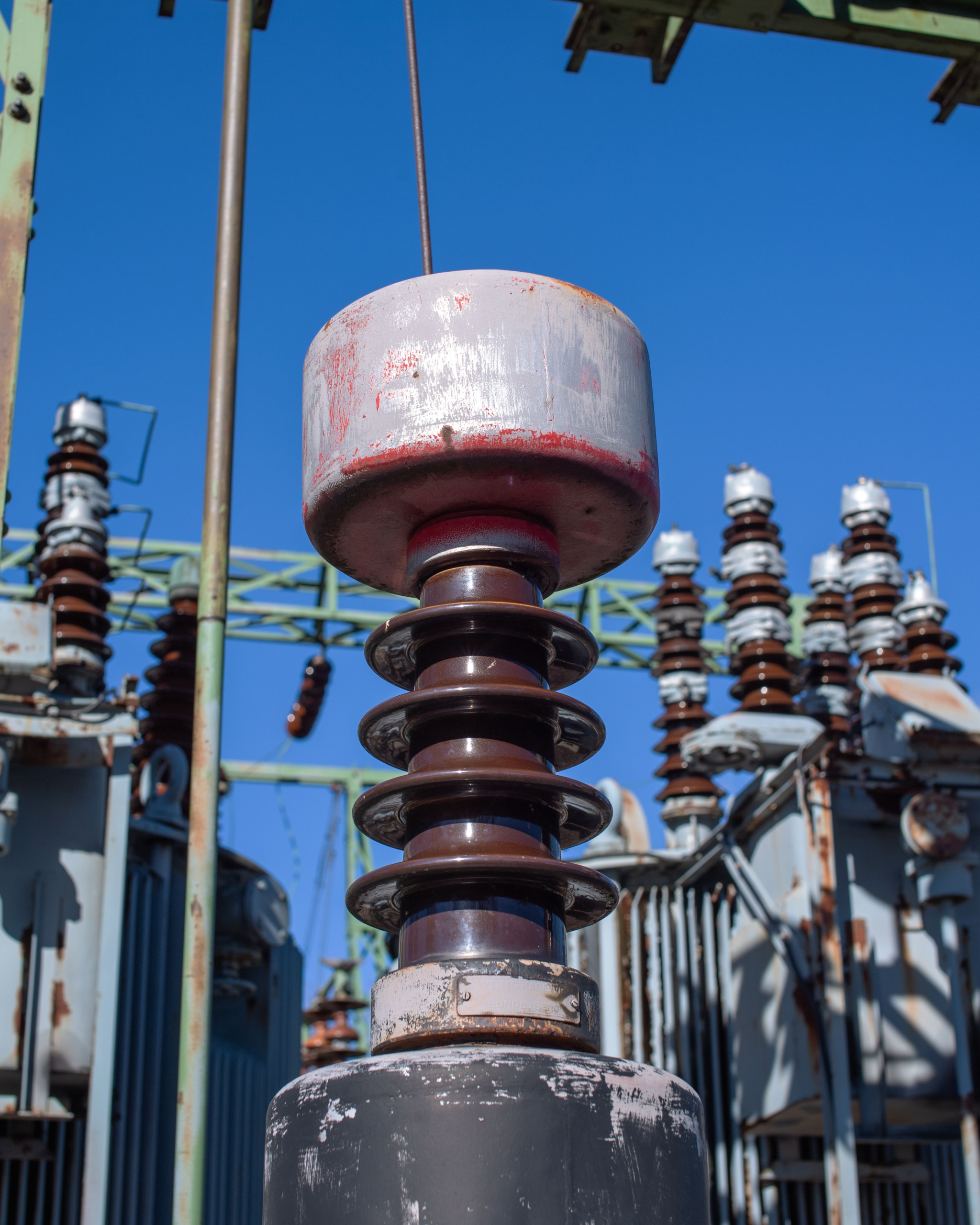
AI expansion reaches Finland’s electricity grid
Nebius is adding a 70MW data centre building in Mäntsälä, with Caverion contracted to deliver the €15 million substation connecting it to Finland’s electricity network.
-

Osavul brings hybrid intelligence into critical industry
Osavul has raised €8.5 million to expand AI-supported threat intelligence from government and defence into critical infrastructure and commercial organisations.
-

Sateliot expands satellite 5G capacity
Five new Sateliot spacecraft have reached orbit, expanding a standards-based satellite IoT network designed to extend mobile connectivity beyond terrestrial coverage.
-
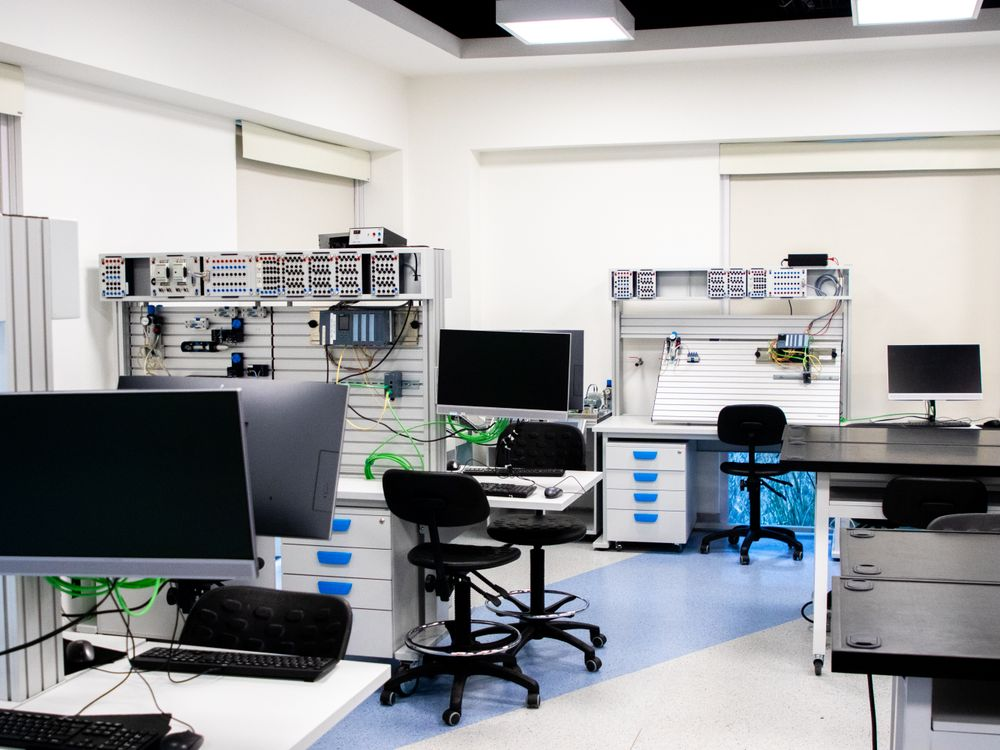
Quantum scaling reaches the laser production line
An EU-backed project led by Finland’s Vexlum has automated parts of semiconductor laser manufacturing as quantum hardware moves towards repeatable industrial production.
-
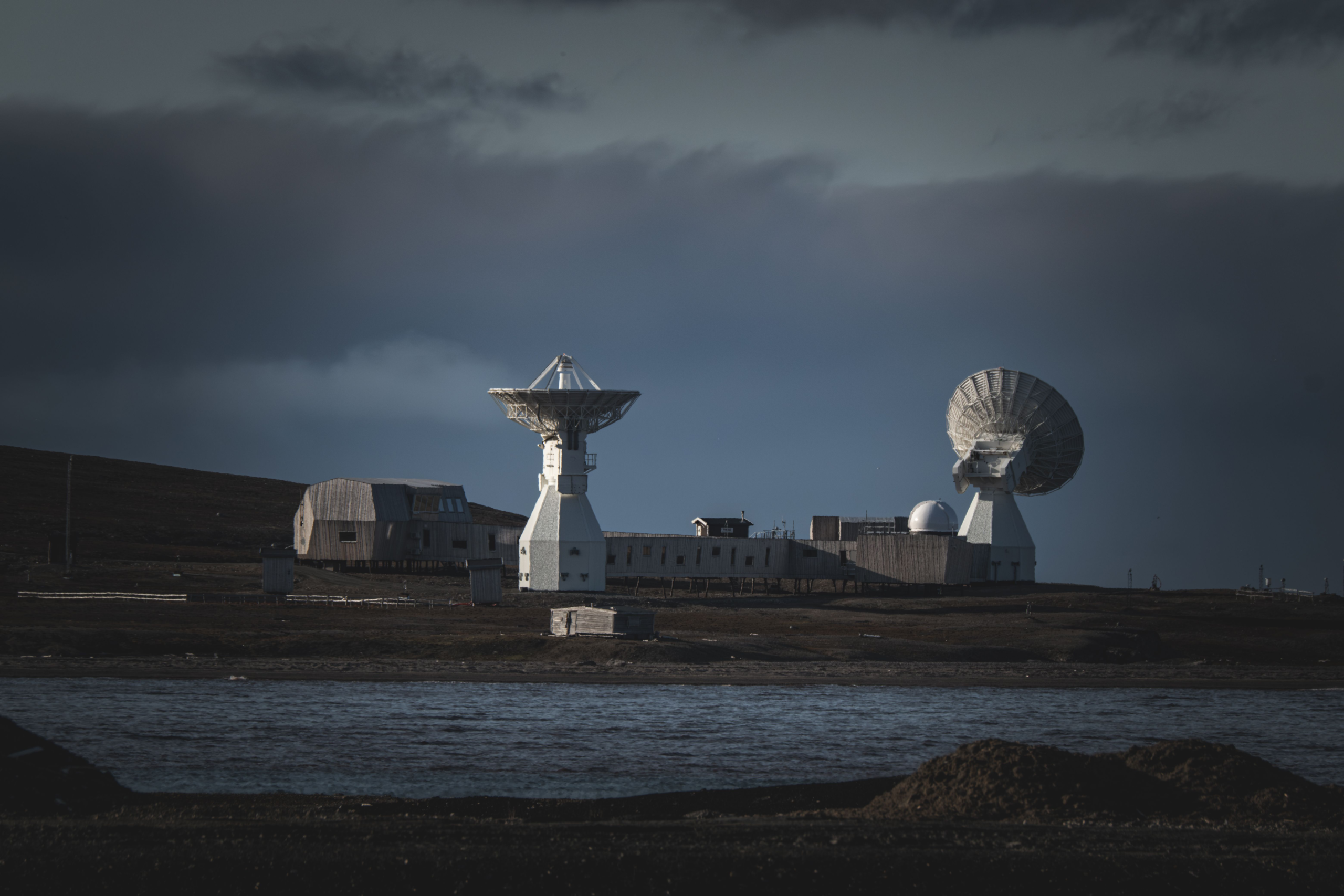
ICEYE and Nokia build sovereign satellite communications
ICEYE and Nokia are developing government-owned satellite communications systems that extend European sovereignty from space-based intelligence into broadband connectivity.
-
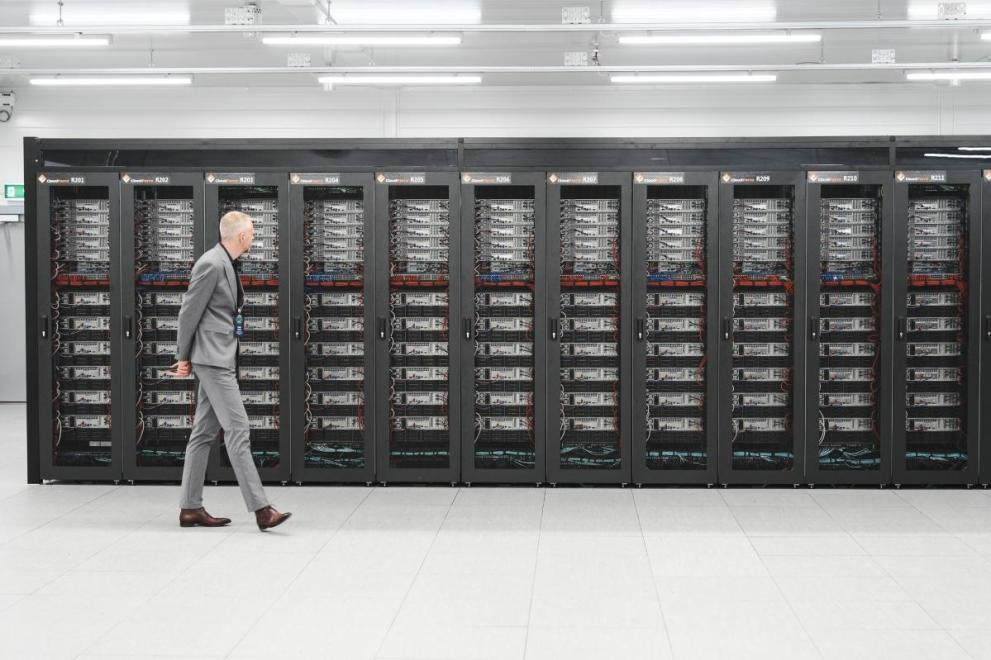
Poland commits PLN1.56bn to sovereign data centres
Poland has committed more than PLN1.55 billion of European funding to three connected state data centres designed around resilience and public service continuity.
-

AWS and Azure edge towards EU gatekeeper status
EU regulators are reportedly preparing final gatekeeper decisions for AWS and Microsoft Azure, extending Digital Markets Act scrutiny deeper into cloud infrastructure.
-

Cyber budgets rise faster than resilience evidence
Cyber spending is increasing, but research suggests many organisations still lack reliable evidence of how well they would recover from disruption.


