Summary
- Caverion has won a roughly €15 million contract to design and deliver a 70MW substation for a new Nebius data centre building in Mäntsälä.
- The new 70MW building will sit alongside Nebius’s existing 75MW Mäntsälä capacity, with the substation scheduled for completion in autumn 2027.
- The project shows how AI infrastructure growth is translating into grid connections and electrical engineering alongside investment in processors and servers.
The infrastructure race behind artificial intelligence is moving further into Europe’s electricity system, with Nebius commissioning a 70MW substation for another data centre building at its Mäntsälä campus in Finland.
Nebius has selected Caverion Finland to design and deliver the electrical connection under a contract worth approximately €15 million. Caverion expects the substation to be completed in autumn 2027 on an accelerated construction schedule.
The new building will add 70MW alongside Nebius’s existing 75MW Mäntsälä site, taking the announced footprint across the two facilities to 145MW. At that scale, the grid connection is not an ancillary construction package but one of the systems determining when additional compute can become operational.
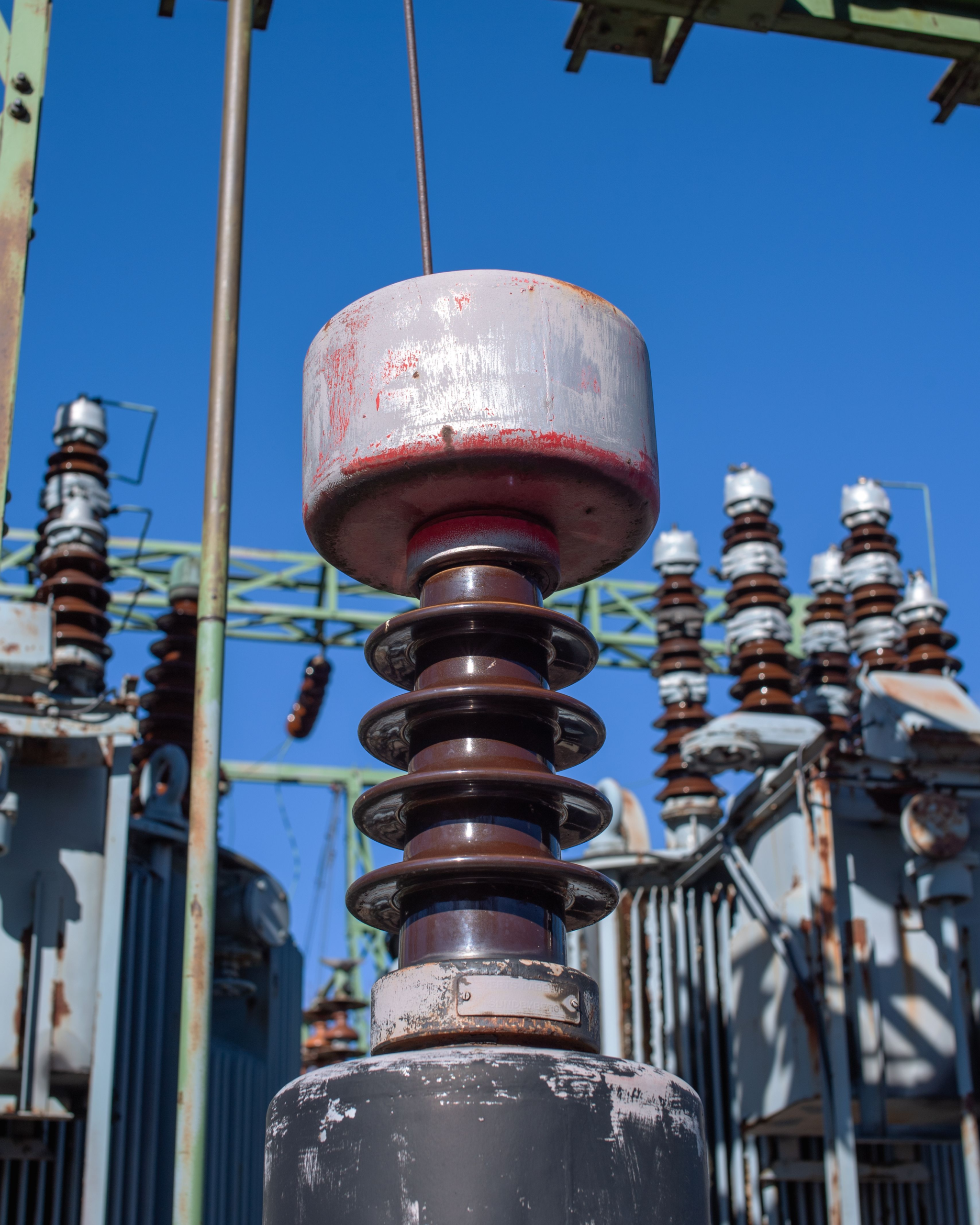
A substation receives electricity at high voltage and converts and distributes it at levels the site can use, while also providing switching, protection, control, and isolation. For an AI facility designed to draw large loads continuously, reliability at that interface affects the availability of everything downstream.
Compute growth becomes an electricity project
GPU availability receives much of the attention around AI infrastructure, but processors cannot be deployed until sites have sufficient power supply, substations, cooling, network capacity, backup systems, and the engineering needed to integrate them. Those components increasingly determine how quickly announced capacity turns into usable computing infrastructure.
Power availability is also influencing where European projects can be built, because high-density AI systems can concentrate large electrical loads inside relatively small areas. Grid connection queues, transmission capacity, substation construction, generation availability, and permitting can all become constraints even when operators already have financing and customer demand.
Finland has attracted substantial data centre investment partly through its electricity system, relatively cool climate, expanding renewable generation, and potential for heat reuse. Those advantages still require individual projects to secure physical connections capable of supporting their expected load.
Caverion’s contract illustrates how the AI buildout is spreading into companies that would not normally be described as part of the AI industry. Electrical engineering, grid equipment, construction, cooling, property, fibre, and energy suppliers all become part of the capacity chain once a cloud provider moves from acquiring processors to building an operational campus.
The contractor says it has delivered around 30 new substations in Finland in recent years, refurbished roughly 50, and completed close to 50 power-line projects across 110kV and 400kV networks. That existing high-voltage capability is increasingly being directed towards data infrastructure as well as conventional industrial and utility work.
Infrastructure announcements depend on delivery
Nebius has been expanding rapidly across specialist AI cloud infrastructure, and Mäntsälä has become one of its principal operating locations. Caverion was already involved in technical infrastructure at the campus under a separate contract covering systems such as cooling, heat recovery, ventilation, fire protection, and electrical work.
Those dependencies make headline capacity numbers difficult to assess in isolation. A planned number of GPUs or megawatts says little about deployment timing unless the corresponding power, cooling, and network infrastructure can be delivered, commissioned, and connected at the same pace.
The relationship with the electricity system also creates longer-term constraints because a data centre does not operate independently of the surrounding region. Large continuous loads affect network planning, generation requirements, transmission investment, and discussions over how limited grid capacity should be allocated between industrial, residential, and computing demand.
Finland’s experience also demonstrates why heat management is becoming part of the wider infrastructure calculation. Large facilities reject significant quantities of heat, and sites that can connect into district heating networks may recover some value that would otherwise be lost, although the economics depend on local demand and integration costs.
Nebius’s current project has a concrete electrical milestone rather than only an announced compute ambition. The 70MW substation is scheduled for completion in autumn 2027, providing a measurable point at which another part of the Mäntsälä expansion can connect to the grid.
As European AI capacity continues to grow, those engineering milestones are likely to become more useful than processor announcements alone. The continent’s ability to add compute increasingly depends on the slower physical systems that supply electricity, move heat, and keep high-density facilities operating continuously.