Summary
- Schneider Electric reported record third-quarter revenue of €11.46bn, an increase of 16.9% organically and 17.9% on a reported basis.
- Data centre demand grew at a triple-digit rate, while recognised sales in the pure data centre segment increased at a strong double-digit rate.
- The company raised its 2026 targets to 12–14% organic revenue growth and 18–21% organic adjusted EBITA growth.
Schneider Electric has raised its 2026 financial targets after reporting record quarterly revenue, as investment in artificial intelligence infrastructure increases demand for the electrical equipment, cooling systems and engineering services needed to operate data centres.
The French technology group recorded €11.46 billion in revenue during the third quarter, an increase of 16.9% organically and 17.9% on a reported basis. Its Energy Management division generated €9.62 billion, growing 18.8% organically, while Industrial Automation revenue rose 8.1% organically to €1.85 billion.
Data centre demand increased at a triple-digit rate during the quarter, reflecting orders from major cloud operators, colocation providers and other infrastructure customers. Recognised sales in the pure data centre segment rose at a strong double-digit rate, illustrating the difference between customer demand and equipment already delivered or recognised as revenue.
The group now expects organic revenue growth of 12–14% for 2026, up from its previous target of 10–13%. Its organic adjusted earnings before interest, taxes and amortisation growth target has increased to 18–21%, with the final outcome dependent on trading conditions and the company’s ability to execute its existing order book.
AI spending reaches electrical infrastructure
Investment in advanced computing requires considerably more than processors and servers. Data centres need equipment capable of distributing electricity, protecting systems from faults, maintaining power quality and removing heat generated during operation.
As operators deploy more demanding computing workloads, those requirements can lead to substantial investment in power distribution and thermal infrastructure. Schneider supplies products and integrated systems across these areas, giving it exposure to expenditure that follows decisions to expand computing capacity.
Its Systems business, which represented 35% of third-quarter group revenue, grew 22% organically. The company reported particularly strong demand for prefabricated solutions, three-phase uninterruptible power supplies and cooling equipment within Energy Management.
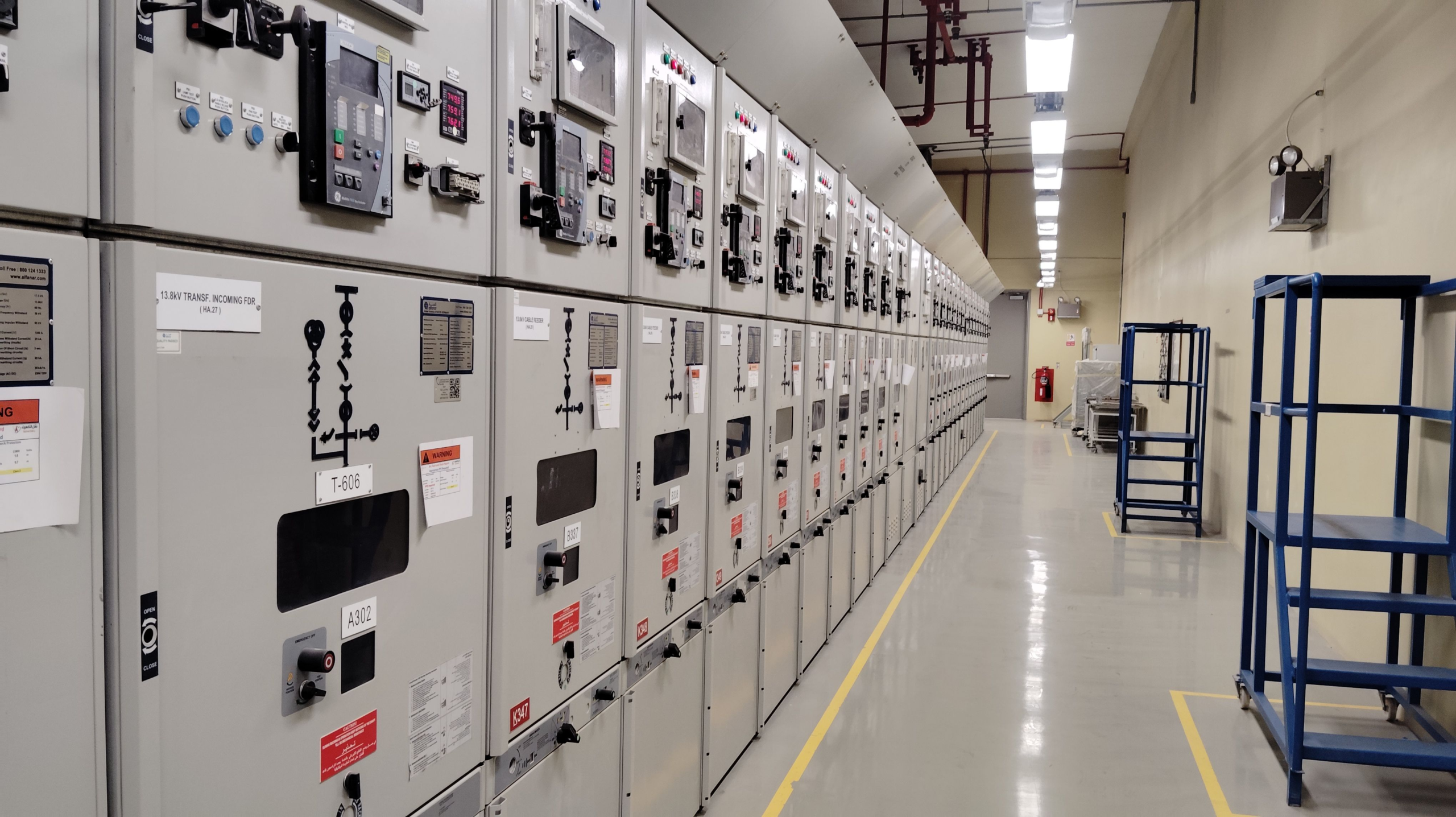
Prefabricated systems can allow some infrastructure components to be manufactured and assembled before delivery to a data centre site, potentially reducing the amount of complex construction work required during installation. Their commercial usefulness depends on the project design, manufacturing capacity and the ability to integrate the equipment into the completed facility.
The Products business accounted for 48% of quarterly revenue and grew 17% organically, supported by volume growth and pricing. Software and Services represented the remaining 17%, with organic growth of 7%.
These figures indicate that Schneider’s strongest immediate expansion is concentrated in physical equipment and integrated systems. Software contributes to the group’s operations, but its growth rate was lower than those of Products and Systems during the quarter.
The distinction also illustrates how different suppliers benefit from the same investment cycle. Computing capacity depends on the availability of processors, networking equipment, electrical infrastructure and suitable sites, but those components have different manufacturing processes, delivery schedules and commercial economics.
European growth follows a different pattern
Europe contributed €2.65 billion of Schneider’s quarterly revenue, representing 23% of the group total. Organic growth in the region reached 8.6%, below the rates recorded in North America and China and East Asia.
European Energy Management revenue increased 9.2% organically, with data centre demand contributing alongside power infrastructure projects and sales of equipment such as switchgear designed to avoid the use of sulphur hexafluoride.
The company reported strong double-digit growth in Germany, supported by data centres and power infrastructure. The UK also achieved double-digit growth, although its contribution came from a broader combination of buildings, industry and infrastructure rather than data centres alone.
France recorded high-single-digit growth led partly by data centre demand, while Italy and Spain showed more moderate expansion. Schneider also reported continuing data centre project execution across the Nordic markets.
The regional picture demonstrates that European demand is not uniform. Large computing projects are contributing to growth in several countries, but other industrial and commercial markets remain exposed to different investment cycles.
Industrial Automation grew 6% organically in Europe, with AVEVA benefiting from renewals of multi-year software subscriptions, including contracts involving customers in Germany, Switzerland, the UK and Norway.
AVEVA’s annualised recurring revenue increased by 10% as of 30 September. That measure reflects the recurring revenue position at a particular date and should not be confused with Schneider’s quarterly software sales growth.
Global demand remains stronger
North America generated €4.64 billion in quarterly revenue, increasing 19.9% organically, while China and East Asia contributed €2.15 billion, up 26.1% organically.
Schneider identified substantial data centre demand in both regions. North American activity was supported by infrastructure investment from major customers, while China and East Asia benefited from projects serving domestic and regional computing operators.
These markets also provide different sources of industrial growth, including semiconductor manufacturing and demand for electrical systems in buildings and infrastructure. The company therefore describes its performance as broad-based, although data centres were the leading driver of demand during the quarter.
The group reported another record backlog at the end of September. A large order book provides visibility into future deliveries, but orders remain distinct from completed installations and recognised revenue.
Execution can depend on the production and availability of equipment, the progress of customers’ construction projects and the practical arrangements needed to commission electrical infrastructure.
Manufacturing capacity, supply arrangements and site readiness may consequently affect the timing at which reported demand becomes revenue, even where customers maintain their plans for computing expansion.
Industrial software remains a separate investment
Schneider’s quarterly results also follow its 5 October agreement to acquire engineering software company PTC in a transaction valuing PTC’s equity at approximately $22.6 billion.
That proposed acquisition would expand Schneider’s activities across engineering design, product data and industrial software, complementing existing businesses such as AVEVA. Techopia previously examined the agreement and its implications for the relationship between industrial systems and engineering information.
The transaction remains subject to shareholder and regulatory approvals, with Schneider currently anticipating completion by the third quarter of 2027. Its valuation and expected synergies must therefore remain separate from the financial performance already reported for the third quarter of 2026.
Schneider expects its upgraded full-year targets to produce an adjusted EBITA margin of approximately 19.7–19.9%, based on its present assumptions concerning acquisitions, disposals and currency movements.
Those figures are management guidance rather than completed financial results. The group expects continued strength in data centres during the final quarter, while identifying wider economic uncertainty and potential supply chain pressures among factors affecting the outlook.
The third-quarter results demonstrate how demand for computing infrastructure is translating into sales across established industrial technology markets. The scale of future growth will depend on whether customers continue investing and whether equipment manufacturers can deliver the electrical systems required to turn planned computing capacity into operating facilities.