Summary
- SPCTR has secured €2.8m in follow-on financing to advance its SPCTRone surgical imaging technology.
- Tumour cells are identified at surgical margins in 10.8% of breast-conserving operations in the Netherlands.
- Investment from a healthcare insurer's fund reflects the potential economic benefits of reducing avoidable repeat procedures through earlier tissue assessment.
Dutch medical technology developer SPCTR has secured €2.8m to advance a system that could bring tissue analysis into the operating theatre, giving surgeons earlier information about the completeness of tumour removal.
The Utrecht and Groningen-based company is developing SPCTRone, which combines optical imaging and artificial intelligence to examine the margins of tissue removed during cancer surgery. Its initial application is breast-conserving surgery, where the presence of cancerous cells at the edge of removed tissue can influence subsequent treatment.
The financing includes investment from healthcare insurer VGZ’s Voorop in Zorg fund, Future Tech Ventures, the Investment and Development Agency for the Northern Netherlands (NOM), private investors, and the European Just Transition Fund.
Founded in 2025 by Wido Heeman and Rowan Timmermans, SPCTR is developing technology intended to address the delay between the removal of a tumour and the availability of information about its surgical margins.
According to the University of Groningen, tumour cells are identified at the surgical margin in 10.8% of breast-conserving operations in the Netherlands. Patients may subsequently require further surgery or other treatment, depending on the findings of pathological examination.
Shortening the clinical feedback loop
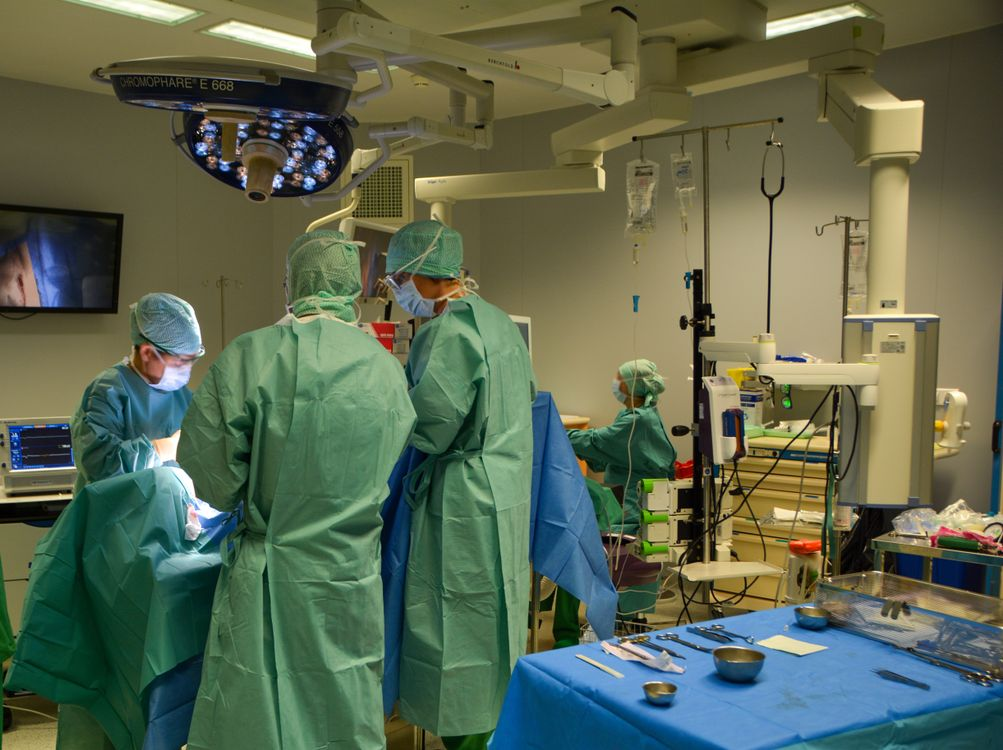
During breast-conserving surgery, clinicians remove a tumour together with surrounding tissue. Subsequent pathological examination establishes whether cancerous cells are present at the margins, providing information that helps determine whether additional treatment is necessary.
Where those findings become available only after an operation, any decision to remove additional tissue may require a separate intervention.
SPCTR aims to shorten that interval by collecting optical information from excised tissue and using AI to help interpret its characteristics. Providing the results during the original operation could allow surgical teams to consider whether further tissue removal is appropriate before the procedure concludes.
The development therefore addresses the availability of clinical information at a particular point in a treatment pathway, rather than simply attempting to accelerate an existing administrative or diagnostic process.
That distinction influences the requirements for introducing the technology into routine care. Information produced within an operating theatre must be sufficiently reliable and timely to support decisions made while a procedure is underway.
Variation in tissue composition, sample preparation, and clinical practices may influence the performance of optical imaging systems, requiring evaluation across representative patient populations and operating conditions.
Clinical studies must establish how effectively the device identifies positive margins against conventional pathological findings. They must also assess the frequency of incorrect results, because unnecessary removal of healthy tissue can have consequences for patients alongside the risks associated with incomplete tumour removal.
The latest financing will support further development and clinical evaluation, including work involving additional Dutch hospitals. Regulatory approval and the establishment of routine clinical use remain subsequent stages in the company’s development.
Connecting clinical outcomes with healthcare expenditure
The participation of VGZ’s investment fund brings a healthcare financing perspective into SPCTR’s development.
Repeat surgical procedures require additional operating theatre capacity, clinical staff, equipment, and postoperative care. Where another operation can be avoided without compromising patient outcomes, the financial benefits may extend beyond the hospital department responsible for acquiring the original technology.
That creates a potential alignment between the commercial interests of medical device suppliers, healthcare providers, and insurers, although the strength of that relationship depends on evidence of clinical effectiveness.
Hospitals evaluating SPCTRone will need to consider its acquisition and operating costs alongside the time required to examine tissue during procedures. Any reduction in subsequent interventions must be assessed against the resources needed to incorporate the technology into initial operations.
Operating theatre capacity is particularly important because introducing a device that extends the duration of individual procedures could affect the number of patients a hospital is able to treat.
For technology developers, collecting evidence against those operational measures can be as important to securing procurement contracts as demonstrating the accuracy of the underlying technology.
The use of AI also introduces continuing responsibilities after deployment. Healthcare providers and manufacturers must establish how software changes are managed, how performance is monitored across clinical environments, and how the information produced by the system is incorporated into established treatment decisions.
SPCTR’s financing brings together organisations with interests spanning regional technology development, commercial investment, and healthcare delivery. That combination provides resources for developing the technology while pursuing the clinical and economic evidence required for its adoption.
The company’s initial focus on breast-conserving surgery gives it a defined clinical application against which those benefits can be assessed. Establishing whether SPCTRone reduces subsequent interventions, while preserving appropriate surgical decision-making and patient outcomes, will be central to the next phase of its development.