

Summary
- Vetaion has raised €5.7m in a pre-seed round co-led by UVC Partners and Visionaries Tomorrow.
- Its manufacturing system converts electrical schematics into three-dimensional production models, supporting automated assembly and wiring.
- The company is expanding production in the Munich area, but its claims about shorter lead times and reduced manual work remain company-reported figures.
Munich technology company Vetaion has raised €5.7m to expand automated production of electrical control cabinets, combining software and robotics to address manufacturing work that remains heavily dependent on qualified electricians. The company is developing a process that converts conventional electrical designs into three-dimensional models used to guide production of customised industrial equipment.
The pre-seed financing, confirmed on 19 November, was co-led by UVC Partners and Visionaries Tomorrow, with participation from 2100 Ventures, Viessmann Generations Group and private investors. Vetaion intends to use the capital to expand production capacity in the Munich area and recruit additional engineering and operational staff.
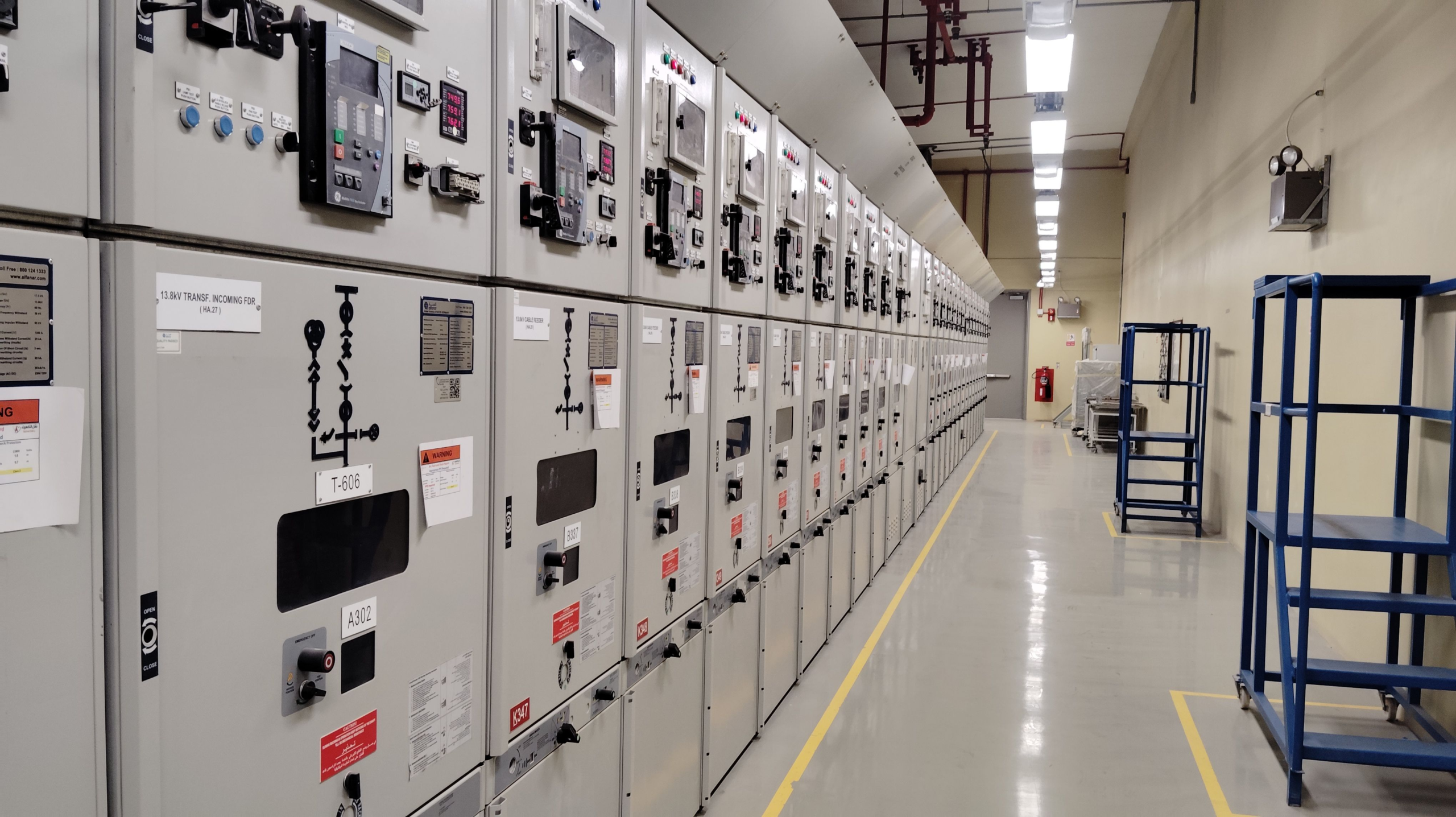
Electrical control cabinets contain components used to distribute power, monitor equipment and operate machinery in factories, energy installations and other industrial environments. Although their functions are established, individual cabinets frequently require different configurations, making production difficult to automate through the fixed processes traditionally associated with high-volume manufacturing.
Vetaion’s approach connects design information with robotic manufacturing. Its software converts two-dimensional electrical schematics into three-dimensional representations that can guide assembly, component placement and wiring, with a proprietary operating system coordinating production activities.
Customised equipment creates a manufacturing bottleneck
Industrial control cabinets are often designed around the requirements of individual machines or facilities. The number and arrangement of electrical components, wiring connections and protective devices can vary between projects, even where the finished cabinets perform broadly similar functions.
That variation creates difficulties for conventional factory automation. A robotic process designed to repeat an identical sequence can operate efficiently when every product follows the same pattern, but it becomes harder to maintain that efficiency when component positions and wiring requirements change between orders.
Traditional cabinet production relies on skilled workers to interpret engineering drawings, install electrical components, route cables and complete connections. Their expertise allows manufacturers to accommodate a wide range of designs, although output remains constrained by the time required for manual work and the availability of qualified personnel.
Vetaion is attempting to change the relationship between design and production by creating a more complete digital description of the finished cabinet. A two-dimensional electrical schematic identifies components and connections, but it does not necessarily contain all the spatial information required to manufacture the assembly.
Converting that information into a three-dimensional model allows production equipment to work with the physical arrangement of components rather than relying exclusively on manual interpretation of drawings. The model can inform decisions about placement and assembly while providing a common source of information for subsequent manufacturing operations.
Such conversion must account for practical constraints, including the dimensions of components, required clearances and the space available for routing wires. A digital representation that captures the electrical connections but ignores the physical characteristics of the assembly would not be sufficient to produce a reliable cabinet.
Robotic wiring presents a demanding engineering task
Automating component placement is different from automating flexible electrical wiring. Wires can bend, twist and move unpredictably, requiring machinery to account for changing physical conditions during handling and connection.
Industrial robots performing repetitive operations may be well suited to placing defined components in fixed locations. Wiring requires additional capabilities because individual cables must be routed between connections, positioned accurately and secured without damage or interference with other parts of the assembly.
Vetaion is developing its own robotic systems to handle these manufacturing activities, coordinated through its software platform. The approach combines digital design processing with physical production rather than treating AI as a standalone tool used to generate engineering documents.
The company says its process can shorten delivery periods from several months to less than four weeks and substantially reduce the manual labour required. Those are supplier-reported performance claims rather than independently verified comparisons across equivalent designs and production conditions.
Assessing the technology will require evidence about the range of cabinets it can manufacture, the consistency of automated operations and the amount of intervention still required from qualified workers. A process that performs well on relatively straightforward configurations may encounter additional challenges with more complicated equipment.
Electrical quality assurance also remains essential. The finished cabinet must meet relevant safety and performance requirements, with appropriate checks covering connections, insulation, protective arrangements and the correct operation of components.
Automation can change how those checks are performed, but it cannot remove the need to establish that the final equipment is safe and conforms to applicable requirements.
Electrification is increasing demand for specialist equipment
Control cabinets support a wide range of industrial activities, including manufacturing, building automation, renewable energy projects and data centre infrastructure. Growth in these sectors creates additional demand for equipment capable of managing electrical systems and controlling machinery.
Vetaion estimates that Europe requires more than five million control cabinets annually. The figure is the company’s own market estimate and should not be treated as an independently established count, although the breadth of applications illustrates why the manufacturing process attracts investment.
The demand also coincides with concerns about the availability of skilled technical workers. Electrical engineering and installation require specialist training, while manufacturers face the challenge of expanding output without assuming that recruitment can keep pace with every increase in demand.
Automated manufacturing may help redirect qualified staff towards design, inspection, maintenance and more demanding production activities. However, the extent of any labour saving depends on the capability of the machinery and the work still needed to supervise, test or correct finished assemblies.
For customers, shorter delivery periods could reduce delays affecting wider industrial projects. A machine builder waiting for a control cabinet may be unable to complete commissioning, while an infrastructure developer can face similar constraints where electrical equipment is required before a facility becomes operational.
Those potential benefits will depend on whether Vetaion can deliver the required configurations consistently, at a competitive price and with adequate documentation and testing.
Scaling production is different from scaling software
The investment supports a business that combines software development with physical manufacturing. Unlike a conventional enterprise application, the company must expand machinery, production facilities and operational capacity as demand increases.
That creates capital requirements and practical constraints that cannot be addressed simply by adding computing resources. Manufacturing equipment must be installed, maintained and supplied with components, while production schedules need to accommodate a changing mix of customer orders.
The commercial economics will also depend on utilisation. Robots and associated equipment require investment regardless of whether they operate continuously, making sufficient production demand important to the cost of each completed cabinet.
Vetaion’s digital approach could help manage variation more efficiently, particularly if production instructions can be generated consistently from customer designs. Nevertheless, each new class of equipment may introduce technical requirements that require further development and validation.
The company has attracted investors interested in the application of software and robotics to established industrial processes. Its next phase will test whether the technology can support higher production volumes without losing the flexibility needed to manufacture customised equipment.
The €5.7m financing provides resources for that expansion, but the decisive commercial evidence will come from repeatable production, verified quality and the economics of delivering finished cabinets to industrial customers. Vetaion is addressing a manufacturing process with clear operational constraints, although the extent to which automation can overcome them remains to be demonstrated through sustained production.


