

Summary
- Tesla says supervised FSD recorded 4.1 times fewer collisions than manually driven Teslas across five European countries.
- The figures cover more than 100 million kilometres, although safety comparisons depend heavily on methodology, road mix, and the populations being compared.
- A possible EU-wide approval vote would turn the transparency and quality of manufacturer safety evidence into a regulatory test for automated driving.
Tesla has released European collision data intended to strengthen its case for a wider rollout of supervised Full Self-Driving, placing its own safety evidence under greater scrutiny as the company seeks approval beyond the five countries where the software is already permitted.
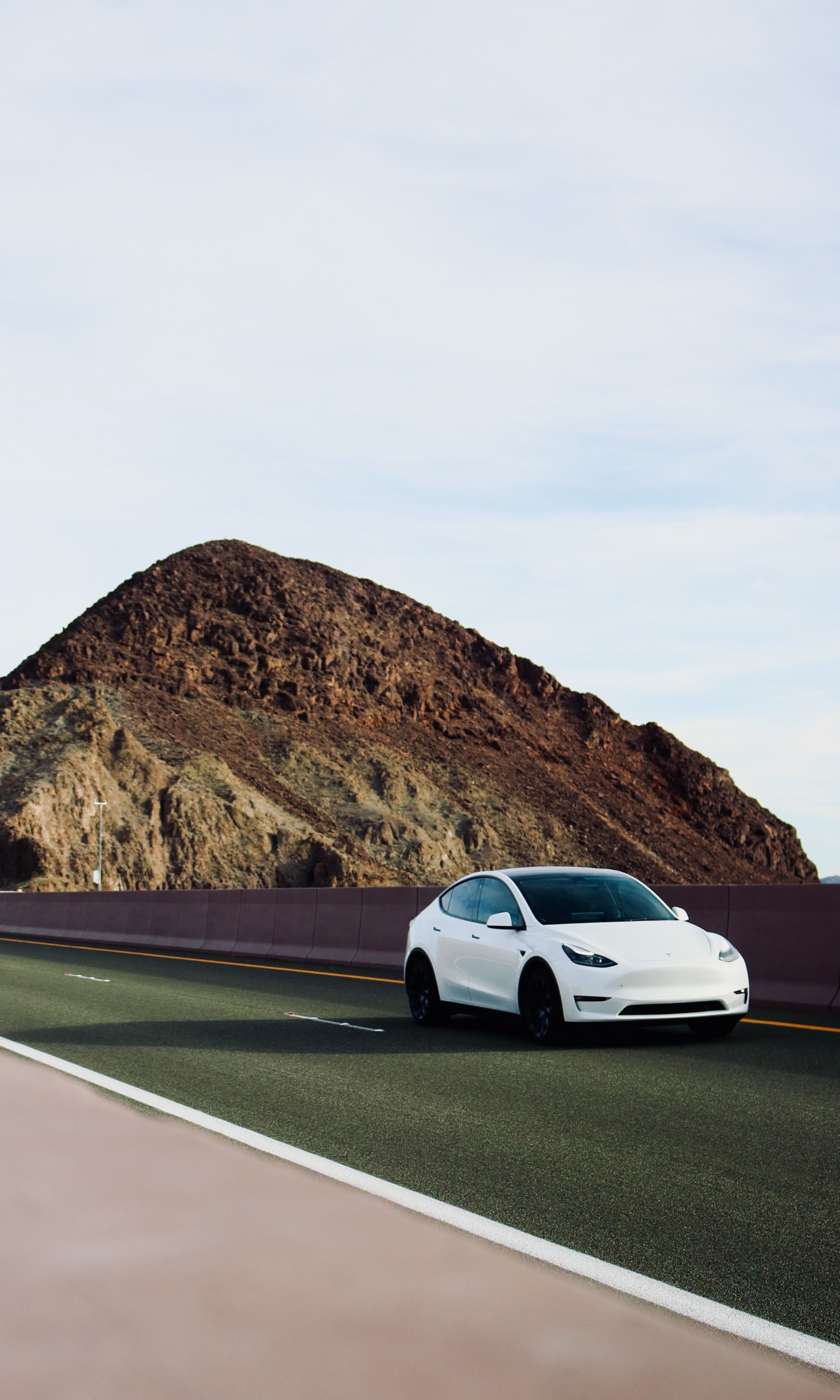
Tesla says vehicles using Full Self-Driving (Supervised) recorded 4.1 times fewer collisions than manually driven Tesla vehicles across the Netherlands, Belgium, Denmark, Estonia, and Lithuania. The company’s figures cover more than 100 million kilometres driven between April and August 2026.
According to Tesla’s European data, FSD-equipped vehicles were involved in three highway collisions and nine on non-highway roads, compared with 137 and 490 respectively among manually driven Teslas in the comparison dataset. Tesla has also published more information about its collision-reporting methodology through its vehicle safety report.
The methodology counts a collision as involving FSD if the system was active at any point during the five seconds before the event, including cases where the driver disengaged the feature or the system aborted shortly before impact. Tesla does not assign fault in the reported collisions.
The European disclosure arrives while the company continues to push for broader regulatory approval. A decision covering a larger share of the single market would give Tesla a much wider software market without requiring provisional permission country by country.
The comparison is part of the safety case
Collision totals provide an apparently simple measure of safety, although interpreting them requires considerably more than comparing two headline rates. Road type, vehicle mix, weather, mileage distribution, driver behaviour, availability of the system, and the circumstances in which drivers choose to activate supervised automation can all affect the populations being measured.
Tesla’s decision to publish more of its methodology provides useful detail, but transparency does not itself establish that two comparison groups are directly equivalent. A lower collision rate may reflect better system performance, different operating conditions, greater driver attention when automation is active, or a combination of those factors.
The distinction is particularly important because Full Self-Driving remains a supervised driver-assistance system rather than an autonomous service in which responsibility transfers away from the person behind the wheel. Drivers are instructed to remain attentive and ready to intervene even when the software is steering, changing lanes, navigating junctions, or performing other tasks.
Regulators therefore have to assess the behaviour of software and human supervision together. Unlike a conventional component that performs one narrowly specified function, FSD changes how much of the driving task is performed by the vehicle while retaining the human driver as the final safety backstop.
Europe is becoming an evidence test
Techopia covered a narrower deployment on 31 August, when Dutch car-sharing operator MyWheels began introducing supervised Tesla FSD across part of its fleet. The safety release shifts the issue from an individual commercial deployment towards the evidence that could determine whether such use expands across Europe.
A wider approval would also pose a regulatory challenge created by software-defined vehicles. Conventional type approval developed around hardware configurations that changed relatively little after a vehicle entered service, whereas an advanced driving system can be updated repeatedly after purchase.
Safety performance can therefore change between versions, while the manufacturer may possess vastly more real-world telemetry than public authorities. Regulators have to decide not only whether a system appears safe enough at the point of approval but also what evidence, monitoring, and reporting should continue as the software evolves.
Independent scrutiny is another part of that equation. Manufacturer telemetry can provide a volume of data that would be difficult to recreate through controlled trials, yet confidence depends on outsiders understanding how the comparison was constructed and what information might be missing.
Software revenue depends on regulatory confidence
Approval extends beyond another vehicle feature because supervised FSD forms part of Tesla’s strategy to earn software revenue from cars already on the road. European deployment would also expose the system to a wider range of road layouts, signage, driving conventions, and traffic environments.
However, automated driving is a safety-critical market in which high-profile failures can quickly alter regulation and adoption. Overstating capability can also encourage drivers to misunderstand where responsibility remains, which is one reason regulators pay close attention to the distinction between supervised assistance and autonomous driving.
Tesla has now put more of its safety methodology into public view while presenting new European collision figures to support expansion. The case for broader approval will depend not only on the size of the claimed reduction but on whether regulators consider the underlying comparison robust enough to support deployment across much larger and more varied road networks.


