Policy
-

Brussels builds bridges between Europe’s startup islands
The European Commission has opened a €40 million pilot for two cross-border networks of startup and scaleup hubs, connecting university ecosystems with laboratories, investors, corporates and expertise that founders cannot always access locally.
-

Europe treats biological data as critical infrastructure
The European Commission is directing €65 million towards gene, protein and research literature resources used across life sciences, biotechnology and biological AI, addressing the fragile funding model behind scientific databases researchers increasingly depend on.
-

Huawei and Qualcomm put patents above geopolitics
Huawei and Qualcomm have agreed broad cross licensing across 5G, computing, AI and networking, while Qualcomm will acquire selected Huawei US patents, showing how technology rivals remain commercially connected through intellectual property.
-

Innovate UK puts £3.1m behind frontier AI scale-up
Innovate UK has opened a £3.1 million competition for UK SMEs developing frontier AI and machine learning technologies, focusing public funding on feasibility work with a credible route to commercially defensible scale.
-

The Met puts £350m behind its application backbone
The Metropolitan Police has awarded Atos a six year application services contract worth up to £350 million, extending a long standing relationship around the software and service infrastructure supporting policing in London.
-

TalkTalk collapse risk turns a telecoms merger into a public interest case
BT has acquired TalkTalk and PlatformX out of administration, prompting an unusual government intervention that places continuity of broadband, emergency services and vulnerable customers alongside conventional competition scrutiny.
-

Meloni tests trademark law against AI voice cloning
Italian prime minister Giorgia Meloni has applied to register a recording of her voice as an EU trademark, testing whether existing intellectual property law can provide another remedy against AI impersonation.
-
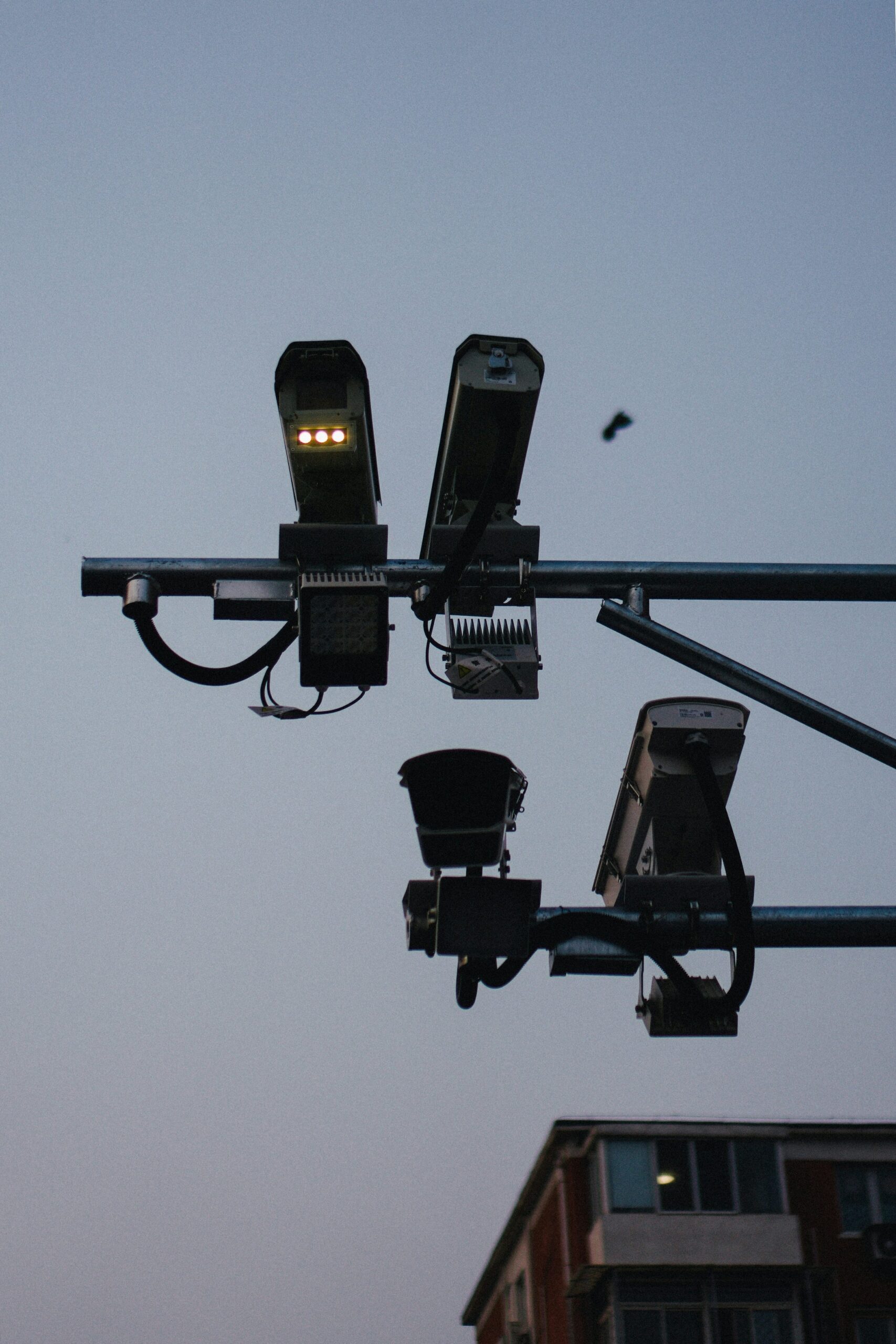
Norway draws boundaries around AI glasses
Norway plans temporary restrictions on AI glasses in selected public places while an expert group develops longer term rules for wearable technology, moving privacy regulation into the physical spaces where recording takes place.
-
OpenAI makes text watermarking an EU feature
OpenAI will add invisible statistical watermarks to eligible ChatGPT and Codex text in the EU as generative AI providers begin turning the AI Act’s transparency requirements into deployed technology.
-

Denmark breach exposes risk in trusted access
Attackers abused a private company’s legitimate access to Denmark’s population register to obtain personal data linked to about 8.8 million registered people, exposing the risk created when third parties connect to critical public data.