

Summary
- Synature has completed the first close of its CHF5m seed round, led by Anaïs Ventures with participation from Bloom Foundation and angel investors.
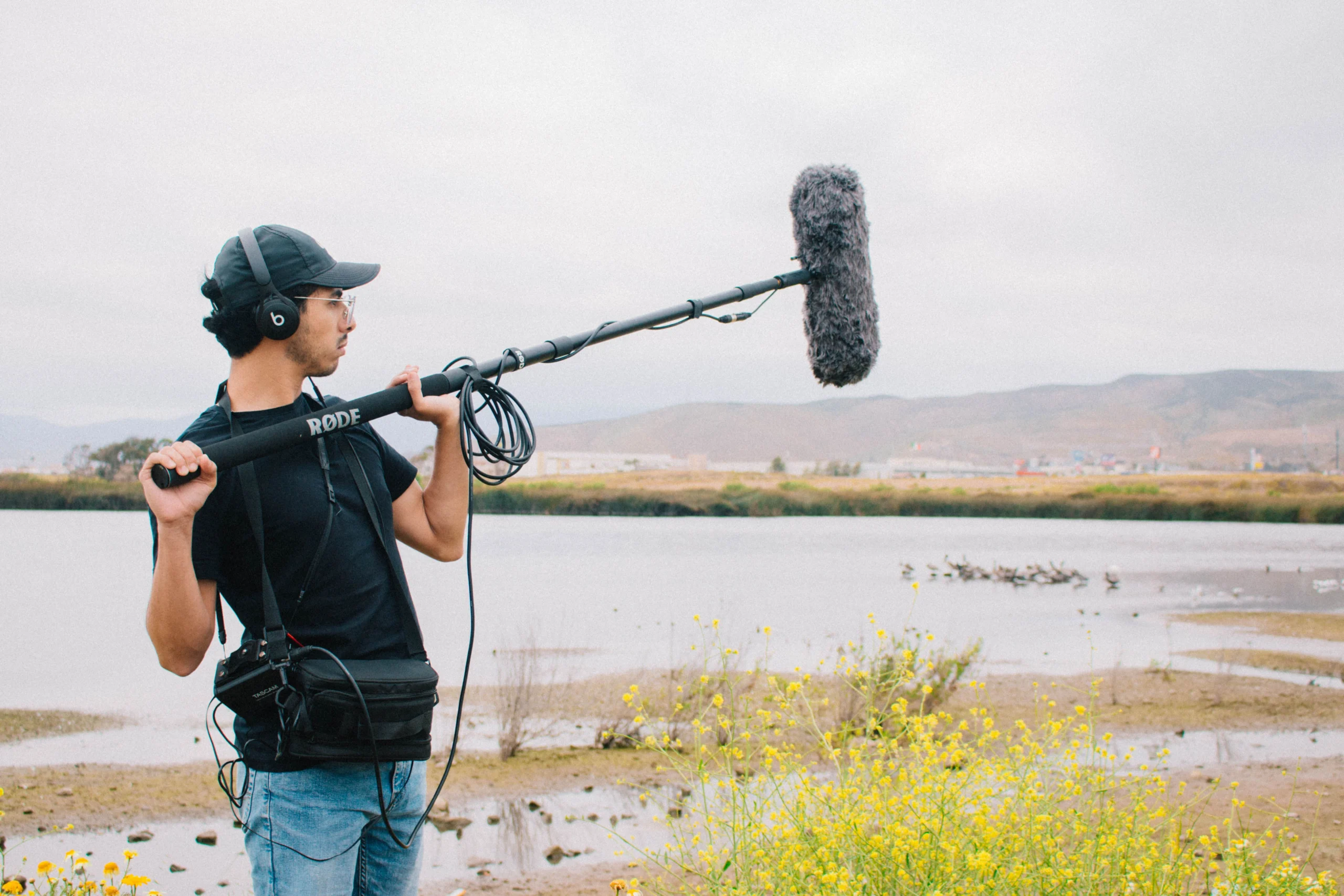
- Its acoustic monitoring platform combines autonomous microphones with AI models capable of identifying wildlife activity.
- Expanded Swiss manufacturing is intended to reduce hardware unit costs by more than half, improving the economics of larger monitoring deployments.
Swiss environmental technology company Synature has secured CHF5m to expand production of autonomous wildlife monitoring equipment and develop artificial intelligence capable of converting animal sounds into environmental intelligence for businesses, researchers, and public authorities.
The financing represents the first close of the Lausanne company’s seed round, led by Anaïs Ventures with participation from Bloom Foundation and angel investors. Synature emerged from the Swiss Federal Institute of Technology Lausanne (EPFL), where its founders developed technology addressing some of the practical difficulties associated with collecting and interpreting acoustic information.
The investment will support Swiss manufacturing of its Smart Mic recording equipment, development of acoustic foundation models, and expansion of the company’s SynApp and SynStudio software platforms.
Although businesses are under growing pressure to understand their effects on natural environments, obtaining consistent ecological information across extensive areas remains expensive. Synature is pursuing a market in which the cost and geographical coverage of monitoring can be as important as the sophistication of the resulting analysis.
Continuous recording expands environmental visibility
Wildlife surveys frequently depend on specialists visiting individual locations, collecting observations, and identifying the animals present. Acoustic monitoring offers a complementary method, particularly for species whose activity can be identified through characteristic sounds.
Deploying microphones across an area allows observations to continue when researchers are absent, potentially recording activity at different times of day and across changing environmental conditions. However, the resulting volume of information can become difficult to analyse manually, especially when equipment operates continuously over extended periods.
Synature combines autonomous recording devices with software that identifies animal sounds and presents information about detected activity. Its SynApp platform allows customers to manage monitoring installations and examine observations, while SynStudio provides additional analytical and data management capabilities for researchers.
The distinction between a recording and the interpretation applied to it is particularly important when environmental information informs commercial decisions. Retaining access to original audio allows specialists to investigate unexpected classifications, review ambiguous detections, and assess the quality of the available evidence.
Detecting an animal’s vocalisation does not necessarily establish how many animals are present, because an individual may produce several calls or be detected by more than one microphone. Weather, background noise, seasonal behaviour, and equipment positioning can also influence observations.
Automated acoustic monitoring therefore offers a means of extending environmental visibility without eliminating the need for scientific interpretation.
Manufacturing costs determine monitoring coverage
Synature intends to work with Swiss manufacturing partners to reduce the cost of individual Smart Mic devices by more than 50%.
That objective has direct implications for the commercial applications of its technology. Monitoring an extensive agricultural property, infrastructure development, or conservation area may require several recording installations to obtain meaningful geographical coverage.
An expensive recording device can still be commercially viable when used for a narrowly defined research project. However, deploying dozens of devices across several locations introduces a different set of financial considerations, including maintenance, connectivity, and equipment replacement.
Lower hardware costs could make those larger installations more accessible and create further demand for Synature’s software services. The company also accommodates customers with existing acoustic recording equipment, potentially allowing them to retain historical datasets and avoid replacing established infrastructure unnecessarily.
Supporting different recording devices introduces additional analytical requirements. Differences in microphone sensitivity, recording quality, and configuration can affect the information available to classification software, requiring careful consideration when combining observations collected through different systems.
Acoustic models must accommodate unfamiliar environments
Part of the new financing will support the training of foundation models for animal sounds, with Synature seeking to improve classification accuracy and extend the range of species its software can identify.
Unlike general-purpose speech recognition, wildlife monitoring involves environments containing multiple simultaneous sources of sound. An acoustic recording may include several animal species alongside wind, rainfall, machinery, or other background activity.
The ability to distinguish relevant signals becomes particularly important when technology is deployed beyond the locations represented in its original training datasets. Expanding those datasets can improve coverage, although the scientific reliability of individual classifications still requires validation.
Synature identifies applications involving birds, bats, insects, and amphibians, alongside potential agricultural uses associated with monitoring animal behaviour and health.
The latter could bring the technology closer to everyday operational management, provided researchers can establish dependable relationships between acoustic observations and conditions requiring intervention.
Environmental intelligence moves towards commercial infrastructure
More accessible biodiversity monitoring could support businesses assessing land management practices, environmental commitments, or the consequences of infrastructure development.
Rather than commissioning isolated surveys, organisations could examine how ecological indicators change over extended periods or following particular interventions. Continuous observations could also help specialists identify locations requiring more detailed investigation.
Acoustic monitoring will remain one component of a broader environmental assessment. Species that produce few identifiable sounds, vegetation conditions, soil quality, and water chemistry require other measurement techniques.
For Synature, the financing provides resources to address two connected commercial constraints: the cost of collecting environmental information and the reliability of analysing it automatically. Its manufacturing expansion and continued scientific development will determine whether the platform can support larger commercial monitoring programmes alongside its established research applications.


