Summary
- Sensible has secured a $47 million financing package including up to $20 million of non-dilutive public funding.
- VECTOR combines AI-enabled sequence design, automated screening and engineered cells to develop and manufacture mRNA.
- Funding will support greater automation and clinical-grade manufacturing capacity in Slovakia.
Sensible Biotechnologies has secured a $47 million financing package to automate its cell-based mRNA development platform and build clinical-grade manufacturing capacity, moving technology developed across Oxford and Bratislava towards larger-scale therapeutic use.
The package combines a Series A led by Oxford Science Enterprises with up to $20 million in non-dilutive funding from the Government of Slovakia and the European Union. New investors include OTB Ventures and In-Q-Tel alongside existing backers, bringing public and private capital into a platform intended to combine mRNA design, experimental screening and manufacturing.
Sensible’s approach differs from conventional in-vitro production by using engineered eukaryotic cells to manufacture naturally modified mRNA. Its VECTOR platform combines computational and AI-enabled sequence optimisation with automated high-throughput screening and proprietary cell engineering, allowing candidate sequences to be designed, produced and evaluated through an integrated process.
A second technology, PromPT, is designed to capture and protect mRNA inside cells before purification. Sensible argues that producing mRNA biologically could reduce certain impurities and unwanted immune responses associated with synthetic production, although those advantages still have to be demonstrated across specific therapeutic programmes and eventually in clinical use.
Automation connects design with manufacturing
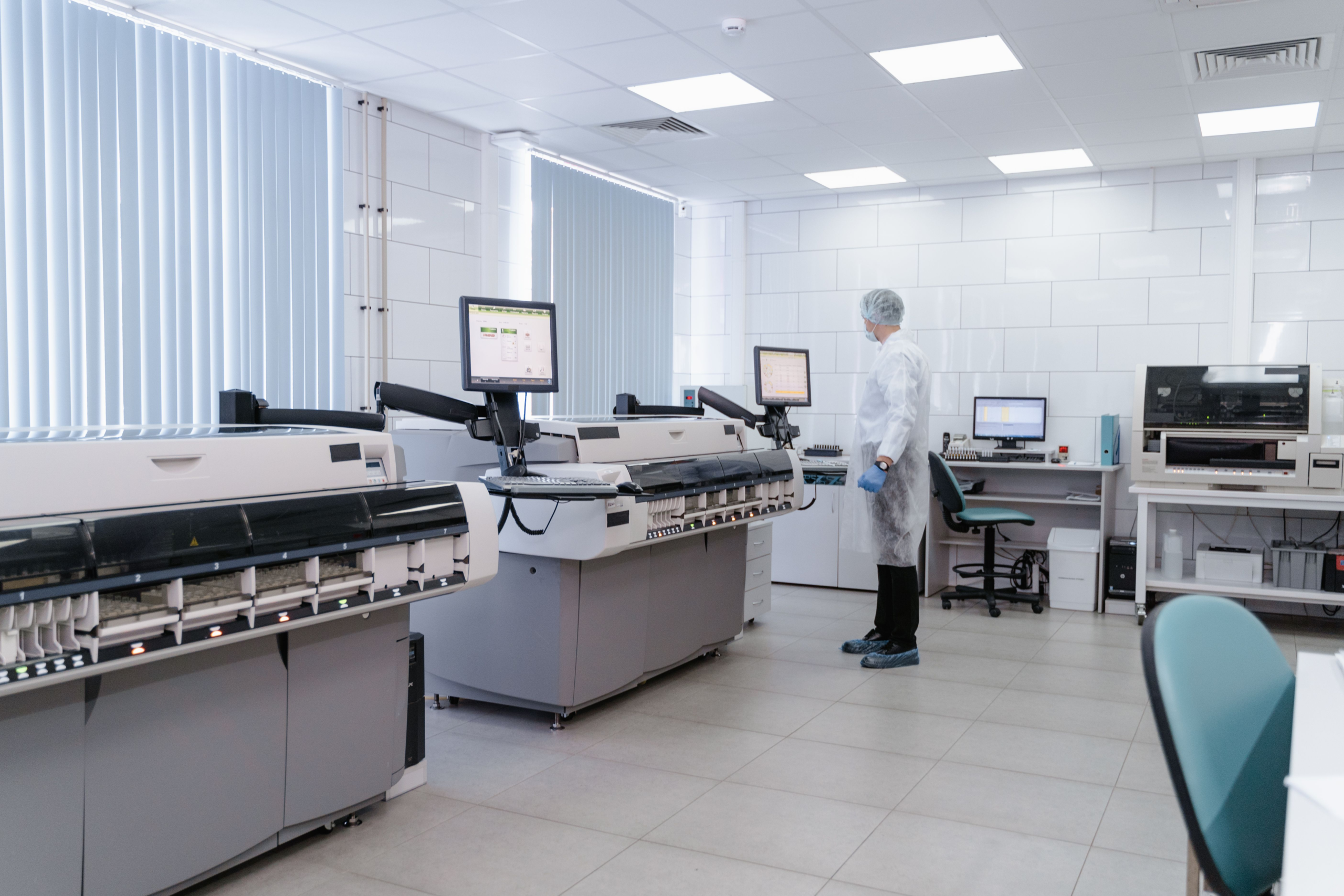
The company says its platform can currently produce around 1,000 mRNA sequences each week. Increasing that throughput can shorten the experimental cycle because computational systems are capable of proposing more candidate designs than traditional laboratory processes can manufacture and evaluate manually.
Automating the laboratory stage allows model-generated candidates to be tested more quickly against biological performance rather than accumulating in a computational pipeline. The value of AI in this setting is therefore tied directly to wet-lab capacity: higher design output contributes little when physical experiments cannot keep pace.
The financing will support further automation of VECTOR alongside development of clinical-grade manufacturing capacity in Slovakia. Moving towards material suitable for human studies introduces more demanding requirements because production has to operate through controlled and validated processes rather than the more flexible conditions available in research.
Sensible employs around 55 people across Oxford, Bratislava and Boston and has worked with Sartorius on manufacturing scale-up. Its technology has also appeared in peer-reviewed research, although the company remains a platform developer rather than the operator of an approved therapeutic product.
Public funding backs manufacturing capacity
Up to $20 million of the financing comes through non-dilutive support from Slovakia and the EU, reducing the amount of equity required to build infrastructure while linking the project to European biotechnology and manufacturing policy.
Europe has strong biomedical research institutions and biotechnology companies, but commercial value is also determined by the infrastructure that moves discoveries through testing, clinical production and eventual manufacturing. A platform that improves molecular design without a corresponding route to controlled production would still leave a substantial dependency later in development.
Cell-made mRNA will not automatically be preferable for every application. Conventional production has already supported vaccine manufacturing at enormous scale, while newer therapeutic uses create different requirements around purity, dosing, immune response and repeated administration. Sensible’s commercial case depends on showing that biological production creates advantages sufficient to justify changing established processes.
External evaluations cited by the company have reported low levels of double-stranded RNA contamination in tested material, alongside lower unwanted immune activation and higher protein expression in some assays involving human immune cells. Those findings are development signals rather than evidence of better clinical outcomes, and the distinction will remain important as the platform advances.
Potential applications extend beyond preventive vaccines into areas such as in-vivo cell therapy and gene editing, where repeated dosing and precise control over an RNA product can become especially demanding. Each programme will still need to establish safety, efficacy and manufacturing consistency independently.
The $47 million package gives Sensible capital to test whether computational design, automated experimentation and cell-based manufacturing can operate as one production system. Its commercial progress will depend less on how many sequences that system can generate than on whether the resulting material can meet the quality and reproducibility demanded by clinical development.