

Summary
- Oasis Networks has deployed iPronics ONE optical circuit switching technology across its Portuguese fibre network.
- The initial implementation serves an internet exchange point, with a subsequent internet service provider deployment planned for 2027.
- Programmable optical infrastructure could allow operators to sell temporary increases in bandwidth without manually reconfiguring physical connections.
Portuguese network operator Oasis Networks has deployed optical circuit switching technology from Spanish semiconductor developer iPronics, allowing network connections to be reconfigured through software across fibre infrastructure linking Lisbon with the emerging AI computing hub in Sines.
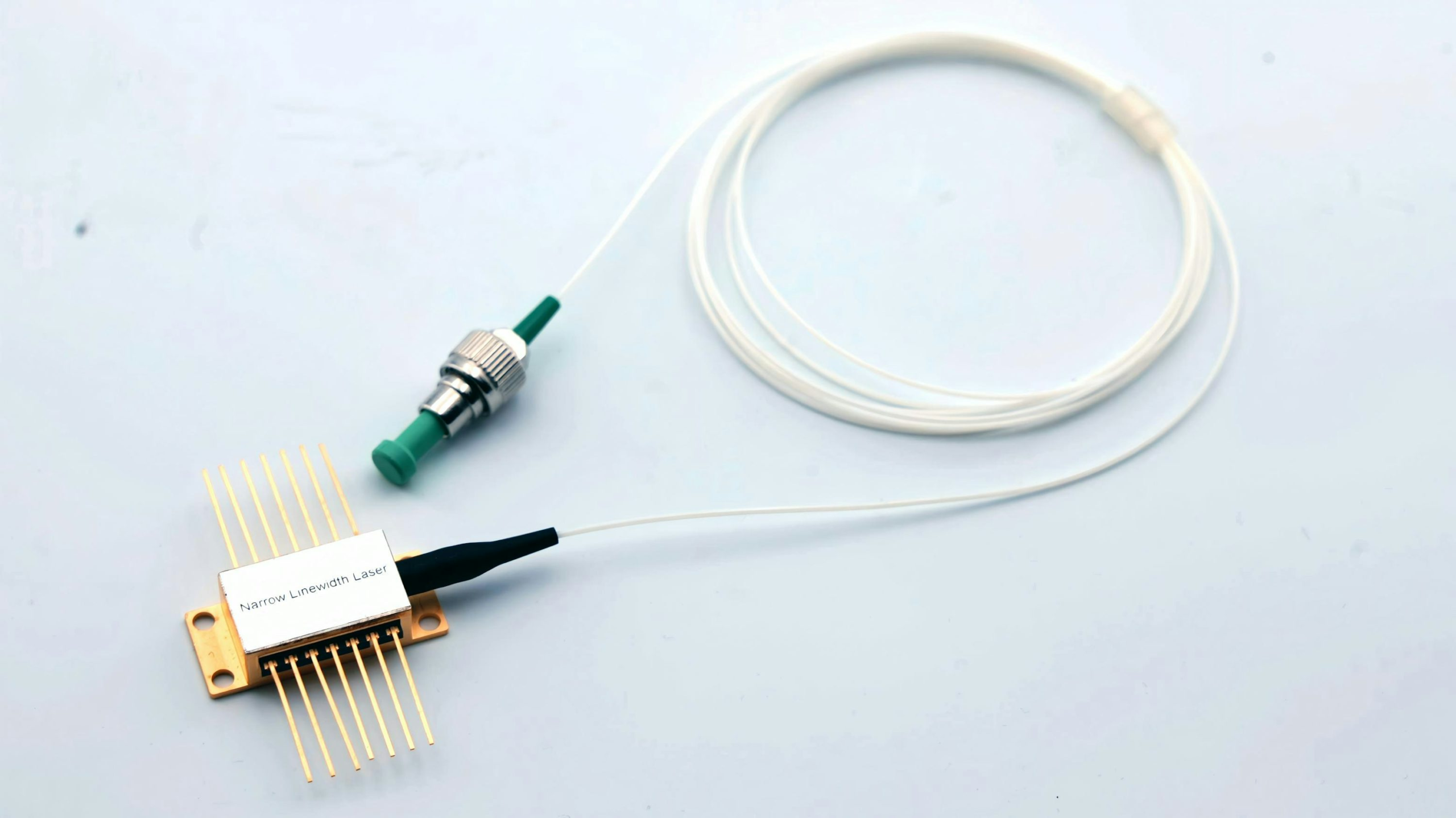
The deployment uses the iPronics Optical Networking Engine, known as ONE, to provide programmable connectivity over existing dark fibre infrastructure. Its first implementation serves an internet exchange point, with a second deployment involving an internet service provider planned for the second quarter of 2027.
The network connects Oasis’s protected Lisbon fibre ring with Start Campus in Sines, where a data centre development is being built with an eventual planned capacity of 1.2GW. Optical transport equipment from PacketLight Networks supports the wider infrastructure, following a technical demonstration announced earlier this month.
By combining programmable optical switching with existing transport equipment, Oasis intends to give customers greater flexibility over the capacity available between locations without requiring technicians to physically alter connections whenever their requirements change.
Reconfiguring connections without processing the traffic
Optical networks transmit information using light, with different wavelengths capable of carrying separate streams of data through the same fibre. Transport equipment manages those signals, allowing operators to deliver substantial communications capacity over existing physical infrastructure.
Conventional optical connections can remain tied to particular equipment configurations, however, even when changes in customer demand create opportunities to use that infrastructure differently. Altering connections may involve manual work or the installation of additional equipment.
The iPronics system uses silicon photonics to control how light travels between optical connections. Rather than examining individual data packets and determining their destinations electronically, an optical circuit switch establishes a physical path through which the signals can travel.
That distinction allows operators to change the configuration of optical connections independently of the information being carried. Different applications and transport technologies can use the resulting paths, subject to the capabilities and configuration of the surrounding infrastructure.
Oasis’s earlier work with PacketLight demonstrated how this approach could operate alongside transport equipment supporting 800Gbps services. Those systems can provide the underlying transmission capacity while programmable switching determines how particular connections are allocated.
Software control also allows network configuration to be incorporated into wider operational systems. Instead of treating every change in optical connectivity as a separate engineering activity, operators can potentially coordinate capacity allocation with the systems responsible for managing customer services and infrastructure demand.
Changing the commercial model for bandwidth
The ability to redistribute connections could influence how network operators structure their commercial services. Businesses requiring substantial connectivity between computing facilities have traditionally needed to consider whether purchasing additional permanent capacity is justified by their expected peak demand.
An organisation transferring a large research dataset, for example, may require significant bandwidth for a relatively short period, while its routine connectivity requirements remain considerably lower. Purchasing permanent capacity sufficient to accommodate every such transfer could leave resources underused for much of the contractual period.
Programmable infrastructure provides a foundation for services that combine a conventional connectivity commitment with temporary increases in capacity. Oasis’s earlier technical work explored that approach, although detailed pricing and service conditions have not been disclosed.
The financial benefits will depend on whether network operators can accommodate overlapping requests without maintaining excessive spare capacity. Customers will also need to establish whether additional bandwidth is available when required and how temporary allocations affect their wider infrastructure contracts.
At internet exchange points, where different communications networks establish connections to exchange traffic, programmable optical infrastructure could provide greater flexibility as participating organisations expand their connectivity requirements.
Connectivity becomes part of AI infrastructure planning
The expansion of computing facilities in Sines illustrates the relationship between investment in processing infrastructure and the communications networks required to use it. Large AI workloads can generate substantial information transfers between computing environments, storage systems, and the organisations supplying or using their data.
Although programmable optical switching does not increase the physical capacity of every individual fibre connection, it can provide operators with more options for allocating the infrastructure already available.
That flexibility could become commercially valuable where computing demand changes more quickly than conventional telecommunications infrastructure can be expanded. It may also allow customers to evaluate temporary access to additional capacity against the cost of establishing permanent dedicated connections.
Oasis’s initial internet exchange deployment moves the technology beyond the earlier technical demonstration, while the planned internet service provider launch will provide another environment in which to assess its commercial performance. The next stage will help establish whether software-controlled optical connectivity can translate more flexible network configurations into services customers are prepared to purchase.


