Summary
- British Transport Police has expanded its live facial recognition pilot to selected London Underground stations.
- NEC’s NeoFace M40 compares people passing cameras with police watchlists before an officer decides whether to intervene.
- The trial is expanding while Britain continues to develop the long term legal and governance framework for police biometrics.
Live facial recognition has moved from selected mainline rail stations onto the London Underground, extending British Transport Police’s biometric trial into a transport environment where large passenger volumes and routine commuting make automated identification part of an ordinary public journey.
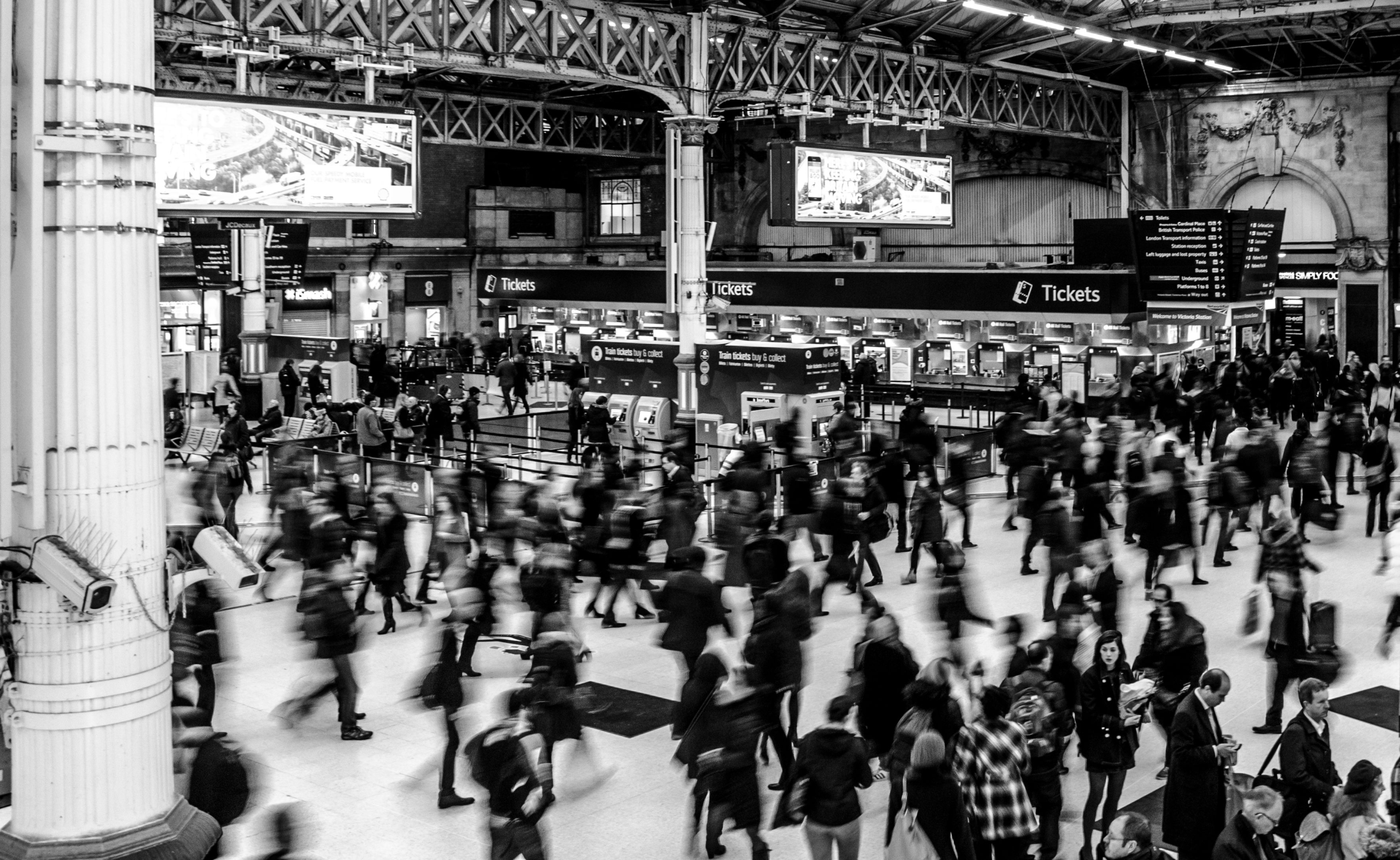
British Transport Police began Underground deployments at Victoria on 11 August and plans to rotate the technology between selected Transport for London and Network Rail locations as the pilot continues until November. The trial began earlier this year at major transport hubs, with deployment locations chosen using police intelligence about crime and wanted individuals.
BTP uses NEC’s NeoFace M40 system to compare camera images from a defined recognition zone with a police watchlist. When the software identifies a possible match, an officer reviews the alert and decides whether there is sufficient basis to approach the person, preserving a human decision between the biometric result and any enforcement action.
The force says biometric images belonging to people who do not generate an alert are deleted immediately, while alert images are deleted after use or within 24 hours and ordinary CCTV footage from a deployment is retained for 31 days. BTP also publishes planned locations and says people who do not wish to pass through the recognition zone can use an alternative route.
A different scale of public exposure
Those controls become particularly important in the Underground because passenger movement is concentrated through relatively narrow entrances, ticket halls, and corridors. Even a geographically limited deployment can compare a substantial number of people with a watchlist during a busy period, many of whom may pass through the same infrastructure several times a week.
BTP says the trial is intended to establish how the technology works across different transport environments, while National Physical Laboratory testing of the NEC algorithm provides an independent technical evidence base around accuracy. Chief Superintendent Chris Casey also emphasised the governance around deployment: “Our focus remains on protecting the public, preventing crime and bringing offenders to justice, while ensuring the technology is used lawfully, proportionately and transparently.”
Algorithm performance remains only one part of that assessment. A technically accurate match can still originate from a watchlist that is too broad, out of date, or poorly governed, while an officer can place too much confidence in an automated result even where policy formally requires human review.
Evaluation therefore needs to extend beyond the number of arrests produced by the trial. Useful evidence would include how many people were scanned, how many alerts were generated, how many were confirmed, how many were false, which categories of watchlist entry produced interventions, and whether performance differed materially between demographic groups or station environments.
Operational use is running alongside legal reform
Britain is expanding police interest in facial recognition while the long term statutory framework for law enforcement biometrics remains under development. Government has separately committed substantial funding to police AI and additional mobile live recognition capability, which means the BTP trial sits within a broader move towards operational adoption rather than an isolated experiment.
Transport environments create a demanding proportionality test because the policing case is tangible: wanted people use stations, offences occur in and around the network, and officers cannot manually identify everybody passing through a crowded concourse. At the same time, major stations are essential public infrastructure that many passengers have little practical option to avoid.
The availability of an alternative route around a camera zone can reduce compulsory exposure at a particular deployment, although its usefulness will depend on station layout and how clearly passengers can understand the choice before entering the area. Transparency also depends on watchlist rules and retention practices being sufficiently accessible that oversight does not require specialist knowledge of biometric systems.
As deployment expands, procurement and supplier governance will become another part of the policy debate. Police forces need to understand how algorithm updates are tested, whether performance changes between versions, which data is available to the supplier, and how systems can be independently audited after they move from pilot status into regular operational use.
The Underground trial will consequently measure much more than whether a camera can recognise a wanted face. BTP is testing whether automated biometric comparison can sit inside daily transport infrastructure while retaining the accuracy, restraint, transparency, and accountability expected of a policing power used in public space.