Summary
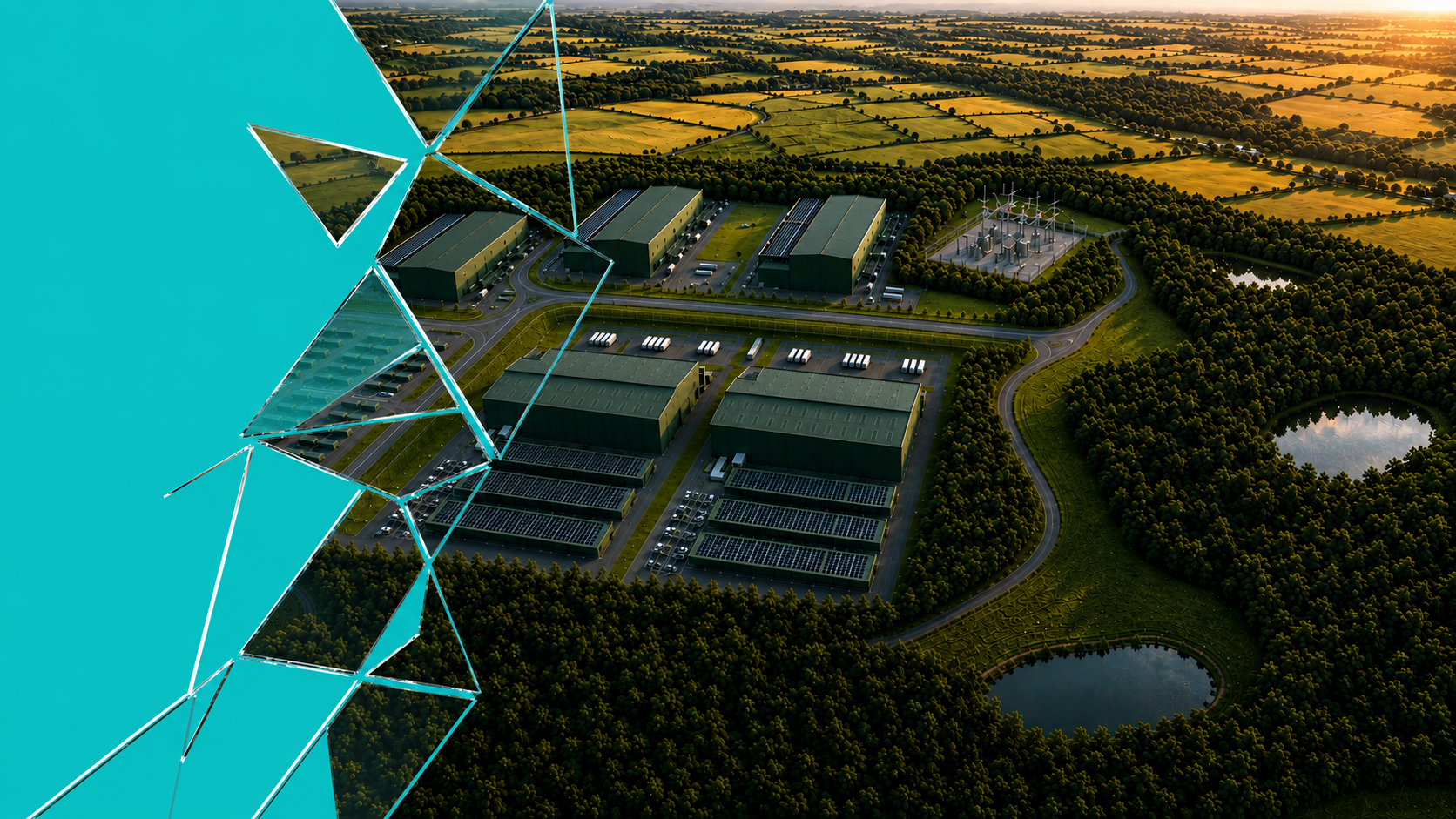
- Xlinks is proposing a 1.5GW AI data campus and 1.8GW battery energy storage facility at Alverdiscott in North Devon.
- The project is linked to two planning proposals and could bring major investment and permanent operational jobs if approved.
- The proposal turns the UK’s AI infrastructure ambitions into a local question about grid access, land use, energy storage, and regional economic benefit.
Xlinks has proposed a large AI data campus in North Devon, combining up to 1.5GW of AI optimised compute capacity with a 1.8GW battery energy storage facility.
The proposed Devon data campus would be built at Alverdiscott and is being advanced through two separate planning proposals submitted to Torridge District Council: one for the large scale AI datacentre and one for the on-site battery energy storage system. Xlinks says the campus would be among the largest of its kind in Europe, with the battery intended to provide grid balancing services and support site reliability.
The company estimates capital investment of £12.2 billion to £13.8 billion, with 2,000 to 3,500 jobs during construction and 600 to 1,200 permanent operational roles. Its public materials also refer to a community benefit package, skills and STEAM education programmes, and local supply chain engagement.
The proposal is striking partly because of Xlinks’ history. The company became known for its Morocco–UK power project, an ambitious plan to bring renewable electricity to Britain through subsea cables. The Devon campus shifts attention from importing energy to locating AI compute and storage around domestic infrastructure, planning, and local economic claims.
AI infrastructure moves into planning files
The UK government wants more AI compute capacity, but compute does not appear by policy statement. It requires land, grid connections, substations, water and cooling strategies, fibre, construction capacity, skilled labour, local political support, and long term power arrangements. Xlinks’ proposal brings those constraints together in one of the country’s clearest local tests of AI infrastructure ambition.
The battery element is central to the pitch. Datacentres are often criticised for adding inflexible demand to already stretched power systems. A large co-located storage facility could help the project argue that it is not only consuming electricity but contributing to grid stability. That claim will need scrutiny through the planning and grid connection process, because the value of storage depends on how it is operated, contracted, and integrated with wider system needs.
Local consent will be just as important. Large infrastructure projects often arrive with economic forecasts, employment claims, and community benefit language. Residents and land users usually judge them through more immediate concerns: landscape impact, traffic, construction disruption, agricultural land, ecological effects, and whether the benefits stay in the area. Devon is not a traditional datacentre hub, so the proposal may also test how prepared local planning systems are for AI infrastructure.
The project also raises a national question about where compute should be built. Established markets such as London and the Thames Valley have strong connectivity and customer proximity, but they also face high land costs and grid constraints. Sites further from traditional hubs may become more attractive if they can offer power, storage, and room to build. That would change the geography of UK digital infrastructure.
Businesses will feel the effect through capacity, cost, resilience, and data location. If the UK cannot build enough secure, well connected, power resilient compute, more workloads will sit in overseas cloud regions or constrained domestic facilities. If it builds capacity without credible energy and planning discipline, public opposition will harden.
Xlinks’ Devon plan is not simply a large datacentre proposal. It is a test of whether Britain can turn AI infrastructure from political ambition into buildable, locally negotiated, energy-aware development.