

Summary
- BT Business and Ivanti have launched remote eSIM installation for managed Android devices.
- The capability lets organisations activate connectivity through mobile device management workflows.
- The business value sits in fleet provisioning, field operations, security control, and reduced device handling overhead.
BT Business and Ivanti have launched a remote eSIM installation capability for managed Android devices, aiming to remove one of the more stubborn manual steps in business mobile deployment.
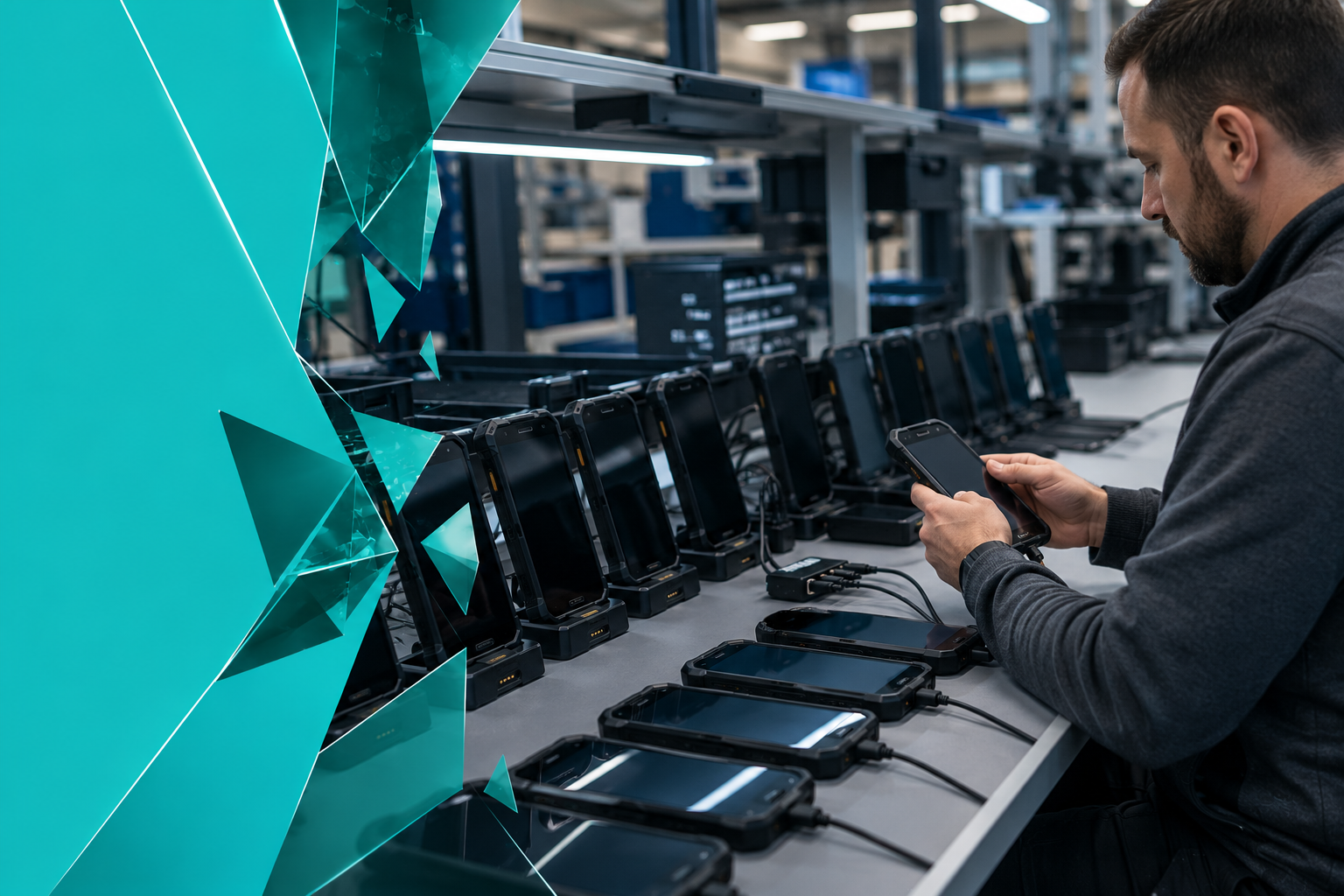
The capability allows organisations to install eSIMs directly from their mobile device management environment and activate connectivity without physically handling each device or walking users through a manual SIM process. BT and Ivanti say the approach can reduce deployment times from days to minutes for mobile fleets that may run to thousands of workers.
The development sits inside a practical but important part of enterprise technology: provisioning. Mobile devices are embedded across field service, retail, logistics, healthcare, construction, utilities, public services, and hybrid work. A device that is not connected, compliant, and configured is not a productivity tool; it is an operational delay.
BT’s EE Business support pages describe eSIM Deploy to Device as a route for setting up Android and other managed devices through a mobile device management installation process. The broader business proposition is that connectivity becomes part of the device management workflow, rather than a separate physical task involving SIM cards, QR codes, manual activation, courier movements, or IT desk intervention.
That is useful for large fleets. Organisations with distributed staff often need to provision, replace, reassign, or recover devices without bringing them back to headquarters. A field engineer, care worker, delivery driver, shop floor manager, or public sector employee may need a working device quickly, and delays can affect service delivery.
Ivanti’s role connects the feature to enterprise mobility management. Mobile device management platforms already control policies, applications, certificates, updates, compliance checks, and remote wipe. Adding eSIM activation into that environment reduces the gap between managing the device and managing the connectivity that makes it useful.
The security angle is material as well. Physical SIM handling creates loss, substitution, and process risk. Manual activation processes can be inconsistent. Devices may be issued before policies are applied or before secure connectivity is confirmed. Centralising eSIM deployment through managed workflows gives IT and security teams a clearer route to standardisation.
The value is unlikely to come from the eSIM itself. It comes from reducing friction in mobile operations. A utility deploying rugged Android devices to field teams, a retailer rolling out handheld stock systems, or a healthcare provider managing mobile clinical devices all face the same underlying problem: technology is only useful when deployment is repeatable.
The launch also reflects the quiet maturity of eSIM in business markets. Consumer eSIM adoption has often been framed around travel convenience or phone upgrades. In enterprise settings, the more interesting question is whether eSIM can support zero touch or low touch deployment, especially where organisations operate mixed fleets and need consistent control.
There are limits. Device compatibility, operating system versions, carrier support, user prompts, and MDM integration all affect the actual experience. Organisations also need good asset records and lifecycle processes. Remote eSIM installation does not solve poor device governance by itself, but it can remove a manual bottleneck from a better governed process.
The move points toward a more programmable model for enterprise connectivity. As devices, applications, identities, and networks become more closely managed, mobile connectivity can be treated as a policy controlled resource. That opens the door to more dynamic provisioning, improved recovery for lost or damaged devices, and tighter links between security posture and network access.
BT and Ivanti’s announcement is not flashy, but it is operationally useful. Many enterprise technology failures come from weak deployment rather than weak products. Making connectivity easier to activate across managed Android estates gives organisations one fewer manual process to absorb as mobile work becomes more distributed and security expectations rise.


