

Summary
- The European Investment Bank is providing Bcomp with €20m in venture debt.
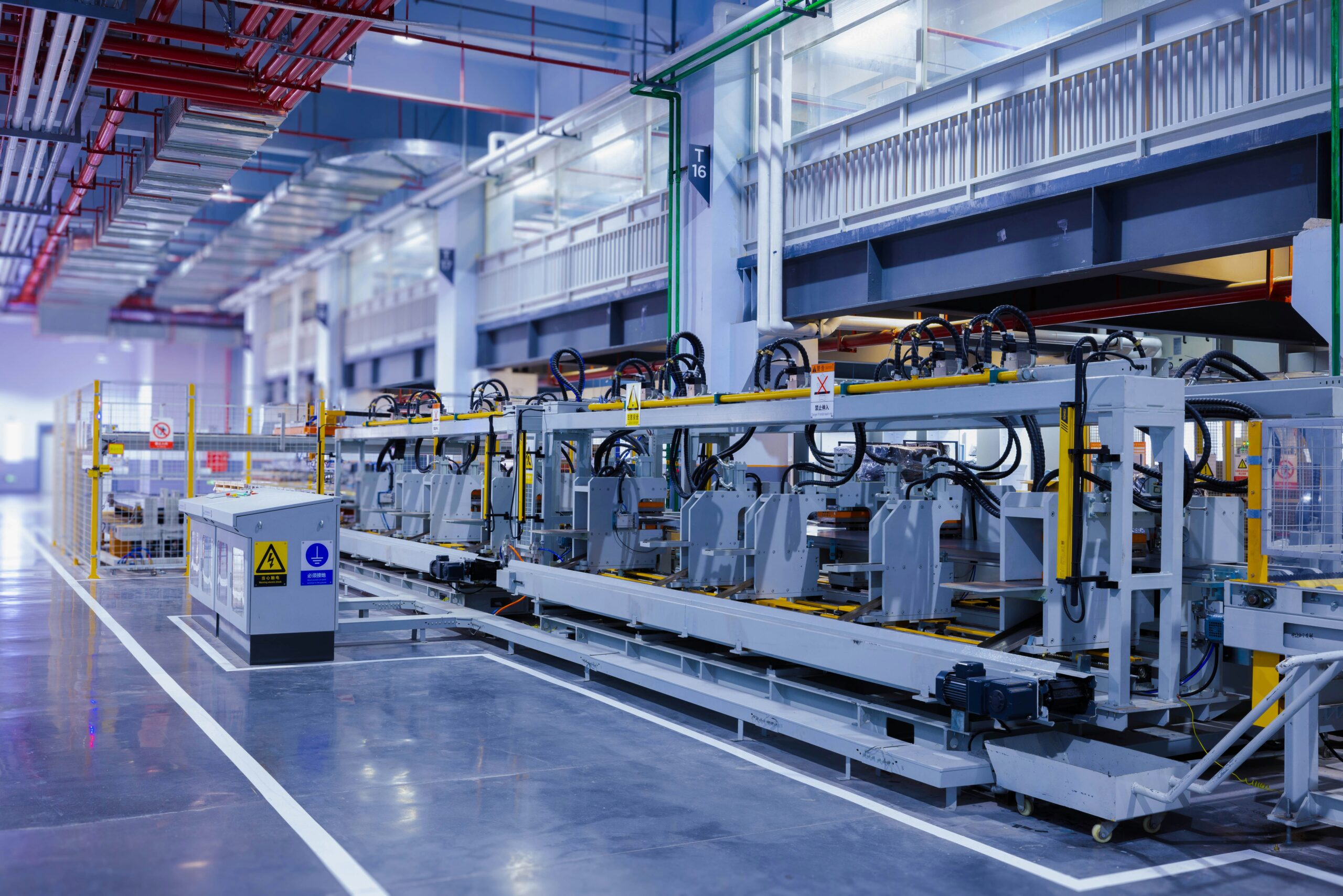
- The financing supports a €47.6m investment programme, including a high-volume manufacturing facility in Timișoara.
- Expanded production will help Bcomp address demand for natural fibre composites from automotive manufacturers and other industrial customers.
Swiss advanced materials developer Bcomp has secured €20m in venture debt from the European Investment Bank (EIB) to expand manufacturing capacity for natural fibre composites, addressing growing industrial demand for alternatives to conventional carbon fibre, glass fibre, and plastic components.
The financing supports a €47.6m investment programme encompassing a new manufacturing facility in Timișoara, Romania, and continued research and development in Fribourg, Switzerland. Bcomp announced the Romanian facility last week and expects the investment programme to contribute to substantial workforce expansion through 2030.
Preparations are underway to bring the Romanian operation into service during 2027, increasing the company’s capacity to supply larger manufacturing programmes, particularly within the automotive industry.
Bcomp develops technical fabrics and reinforcement systems based primarily on flax fibres. Its materials have already been used in automotive, motorsport, and sports equipment applications, including components developed for BMW’s M Concept Neue Klasse.
The EIB financing will help the company extend that technology into higher-volume production, where manufacturing consistency, material availability, and component costs become central to industrial adoption.
Engineering alternatives to conventional composites
Composite materials combine substances with different physical properties to achieve characteristics that individual materials may not provide independently. Reinforcing fibres supply strength and stiffness, while a surrounding matrix holds them in position and transfers mechanical loads through the resulting component.
Carbon and glass fibre composites have become established across industries requiring combinations of relatively low weight, structural performance, and durability. Their widespread use has also created interest in alternative reinforcement materials with potentially lower environmental impacts.
Bcomp’s technologies include ampliTex technical fabrics and powerRibs reinforcement structures, which use natural fibres to improve component performance. The latter introduces a reinforcement architecture intended to increase stiffness without requiring equivalent increases in material throughout the component.
Those characteristics can be particularly useful in automotive manufacturing, where reducing component weight can influence vehicle efficiency while manufacturers must maintain structural performance and meet established production requirements.
Natural fibres nevertheless have different mechanical and environmental characteristics from conventional reinforcement materials. Their suitability must be assessed against individual applications, including exposure to moisture, temperature variations, repeated loading, and the requirements of component manufacturing processes.
Using flax reinforcement also does not necessarily make a finished composite component biodegradable or readily recyclable. Its overall environmental performance depends on the other materials incorporated into it, how it is manufactured, and what happens when the component reaches the end of its useful life.
Moving from specialist applications to larger production programmes
Motorsport and specialist equipment applications provide opportunities for materials developers to demonstrate technical performance, although the requirements of high-volume vehicle manufacturing can be considerably different.
Automotive manufacturers need suppliers capable of producing consistent materials across large quantities while meeting agreed specifications, delivery schedules, and quality management requirements. Establishing that capacity can require significant investment before the supplier receives corresponding revenue from larger commercial programmes.
The new Timișoara facility is intended to address that manufacturing constraint. The EIB’s project documentation identifies expanding demand from automotive original equipment manufacturers as a driver of the investment.
Locating production within Romania’s established manufacturing economy could also support closer integration with European component supply chains. Manufacturers considering alternative materials may benefit from access to regional production, particularly where larger contracts require dependable deliveries and continuing technical support.
Expanding capacity will also allow Bcomp to pursue applications beyond individual demonstration vehicles or specialist production runs, provided manufacturers can integrate the materials into their established production processes at competitive costs.
Financing the transition to industrial production
The EIB’s venture debt facility addresses a financing requirement encountered by advanced materials developers as they progress beyond research and relatively limited manufacturing activity.
Developing a technically viable material and establishing the infrastructure required to produce it commercially involve different expenditure profiles. Industrial expansion requires equipment, manufacturing facilities, employees, and working capital, while the business may still need to invest substantially in research and customer-specific product development.
Bcomp’s investment programme combines those activities by expanding Romanian production alongside continued development work in Switzerland. Maintaining that research capability will allow the company to adapt its materials to new applications while refining the manufacturing processes required to support larger customer programmes.
Venture debt provides additional resources without requiring the full investment to be financed through new equity, although the resulting repayment obligations make manufacturing utilisation and commercial adoption important to the project’s financial performance.
The latest EIB agreement provides Bcomp with financing to pursue that expansion. As its Romanian facility approaches operational readiness, the company’s ability to satisfy larger manufacturers’ production requirements will determine how far natural fibre composites can move from specialist applications into mainstream European industrial supply chains.


