

Team Techopia
-
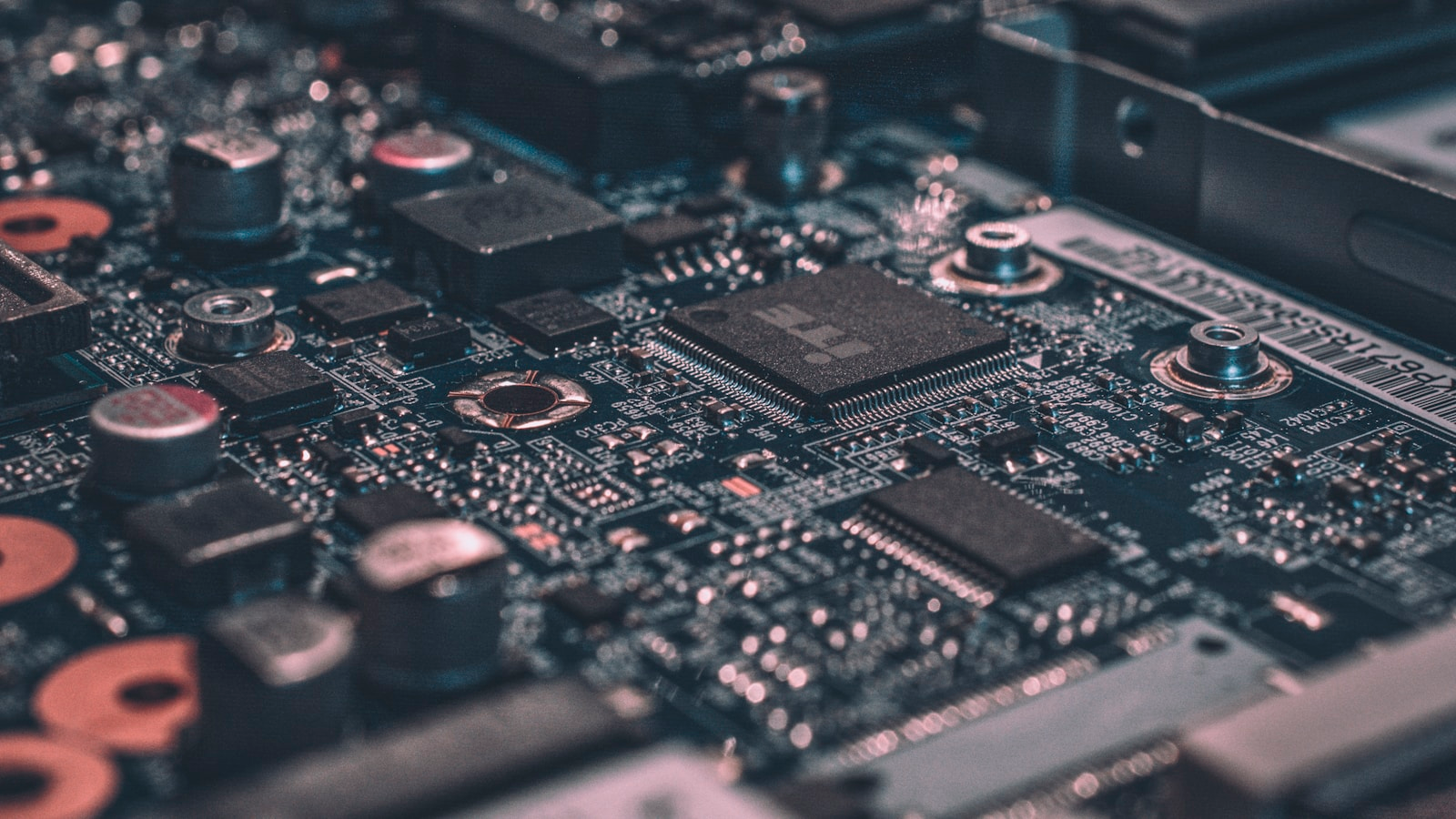
Dutch researchers rethink photonic chip packaging
Dutch semiconductor researchers are developing a less wasteful photonic packaging process. CITC/TNO is combining precision optical connections, screen-printed encapsulation and a digital twin within the CONNECT GLD consortium, with industrial validation still ahead.
-

EU sets out €20.5m for journalism resilience
The European Commission has announced new journalism and media funding opportunities. Three Creative Europe calls will support newsroom collaboration, local journalism, media literacy and press freedom monitoring, with applications opening on 22 October.
-

Five mega-rounds dominate Europe’s technology rebound
European technology funding increased sharply, but the gains were concentrated. Tech.eu records €27.8 billion across 732 transactions in the third quarter, with five billion-euro deals accounting for about 40% of the total.
-

PhysicsX takes yacht design beyond fixed parameters
British engineers are using generative AI to explore racing yacht designs. PhysicsX and GB1 have introduced a workflow that creates new hull geometries and estimates their performance in seconds as development moves towards the 2029 America’s Cup.
-
Agile Robots targets 2,000 compact research humanoids
Agile Robots plans substantial humanoid production for research laboratories worldwide. The Munich company aims to manufacture between 1,000 and 2,000 compact robots during 2027, beginning production before year-end and introducing a Nvidia-equipped reference platform.
-

Cadence brings sovereign chip design cloud to Munich
Cadence has opened sovereign engineering cloud services in Munich, Germany. European customers can access Cadence OnCloud through the facility, while additional Nvidia computing systems, Millennium M2000 capacity and digital twin instances remain planned.
-
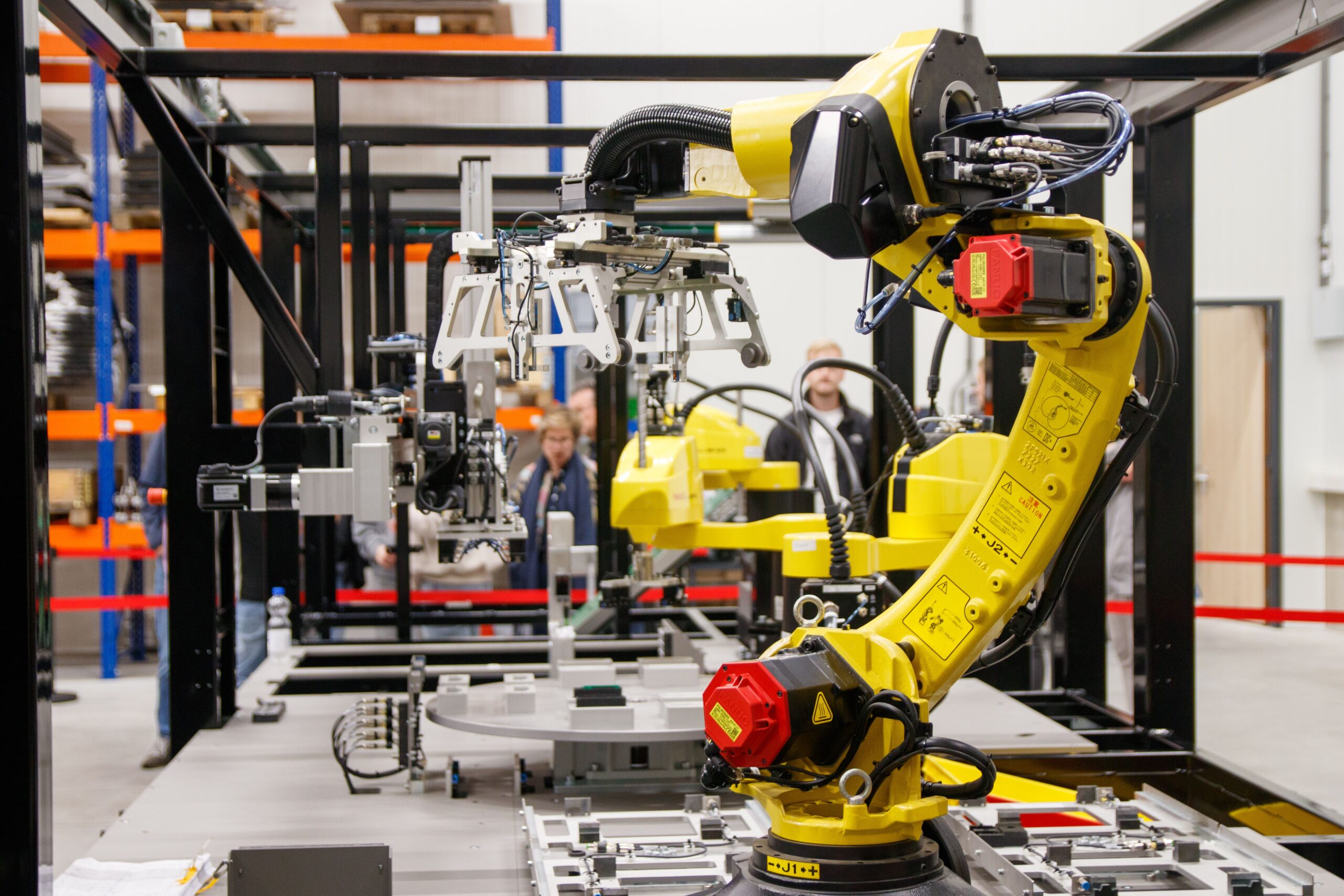
Nvidia expands the tools behind industrial robotics
Nvidia has expanded its robotics platform for European industrial developers. New software includes Isaac Lab 3.0, Isaac OS and simulation resources, alongside a research humanoid intended to reduce integration work before physical testing.
-
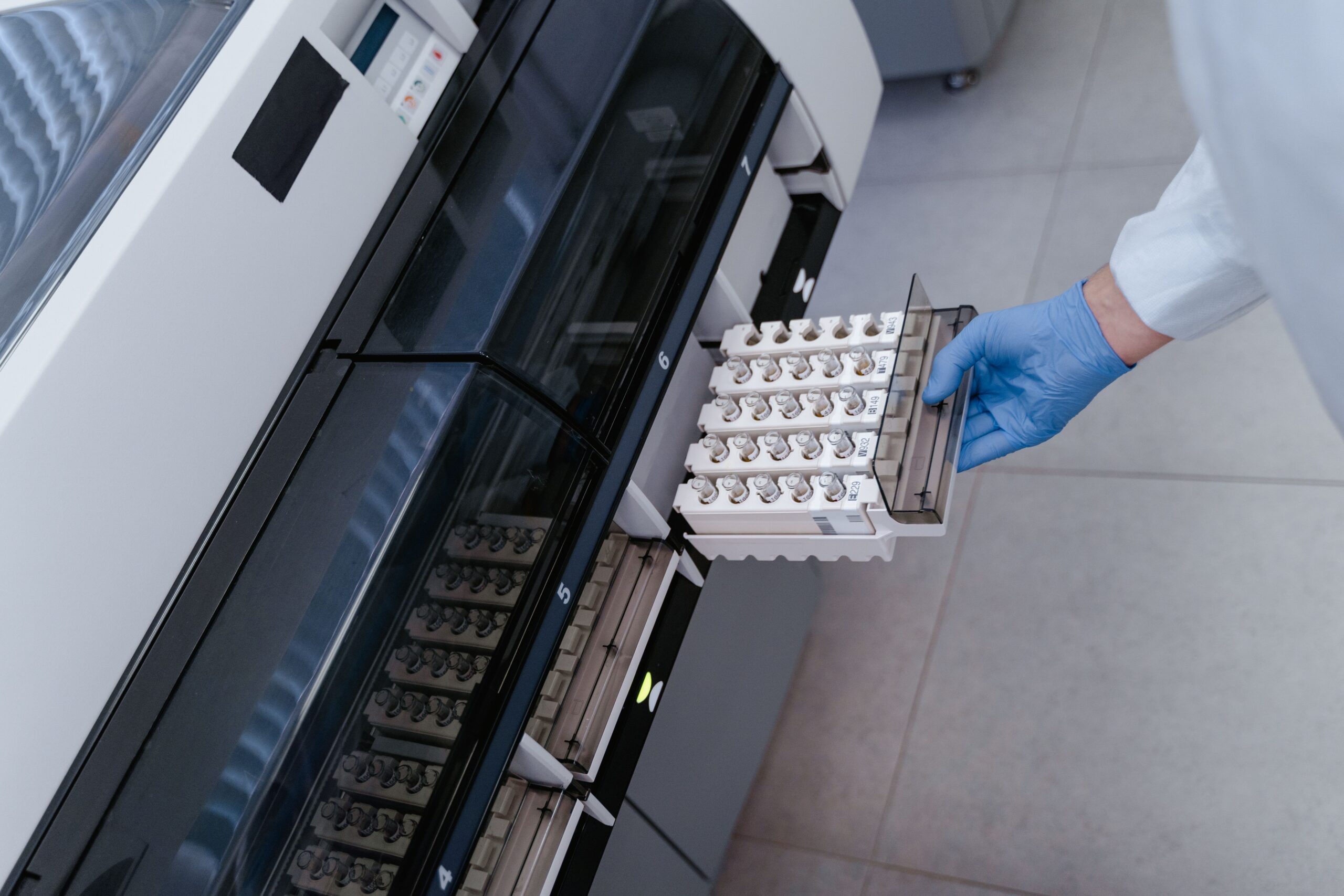
Nvidia takes medical AI deeper into clinical workflows
European healthcare AI is moving into more specialised clinical applications. Nvidia has introduced an open protein design model and expanded collaborations involving cancer treatment planning, laboratory automation and hospital operations, with clinical validation still essential.
-
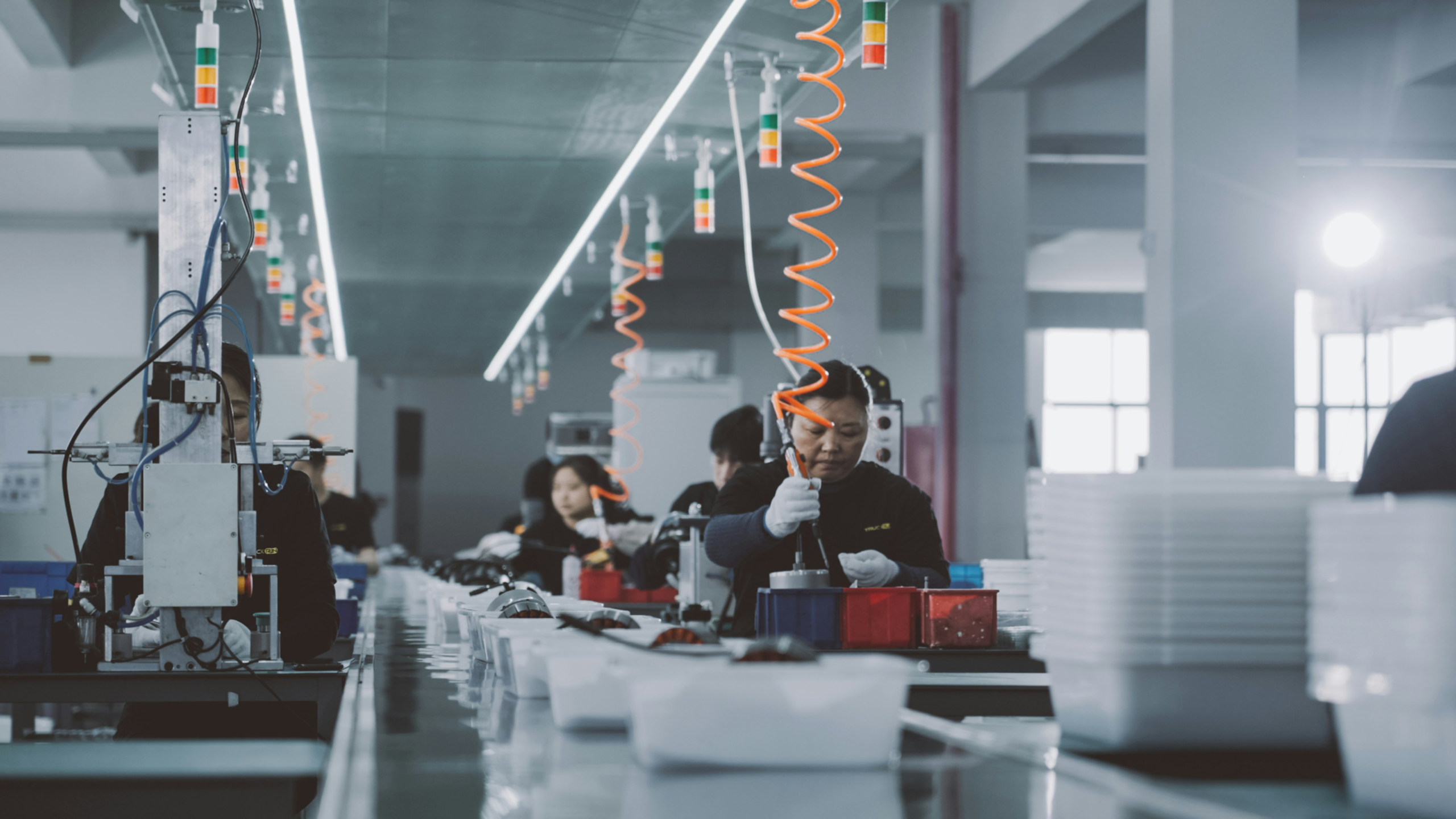
Nvidia opens factory agent framework to developers
Nvidia has opened early access to its factory operations blueprint. Developers can now explore agents that connect production records, machine information and inspection systems, while Siemens is integrating the approach into its industrial software.
-

European automakers advance Nvidia’s autonomous driving platform
European manufacturers are expanding autonomous vehicle development using Nvidia technology. Programmes span robotaxis, automated freight and passenger vehicles, while new simulation and safety assessment tools aim to support validation before commercial deployment.


