

Summary
- Siemens Energy reported quarterly orders of €17.9 billion and revenue of €11.4 billion, with profit before special items more than tripling.
- US data-centre projects helped Gas Services orders rise almost 62%, while transformers supported strong growth at Grid Technologies.
- AI infrastructure is becoming a generation and grid-capacity problem as computing investment moves deeper into the physical economy.
Siemens Energy has posted record quarterly orders and revenue as the AI data-centre buildout reaches another layer of industrial infrastructure, increasing demand not only for electricity but for the gas turbines, transformers, and grid equipment required to generate and move it.
Orders reached €17.9 billion during the company’s fiscal third quarter, while revenue rose 18.5% on a comparable basis to €11.4 billion. Profit before special items increased from €497 million a year earlier to €1.62 billion, and the group’s order backlog reached €162 billion, giving Siemens Energy unusually long visibility over a market already constrained by manufacturing capacity and delivery times.
Gas Services provided the clearest connection with AI infrastructure. Orders rose 61.9% on a comparable basis to almost €10 billion, with Siemens Energy identifying large US data-centre orders alongside new power-plant projects in the Middle East and Asia as the principal drivers. Revenue from the division increased to €3.76 billion, while profit before special items rose nearly 60% to €648 million.
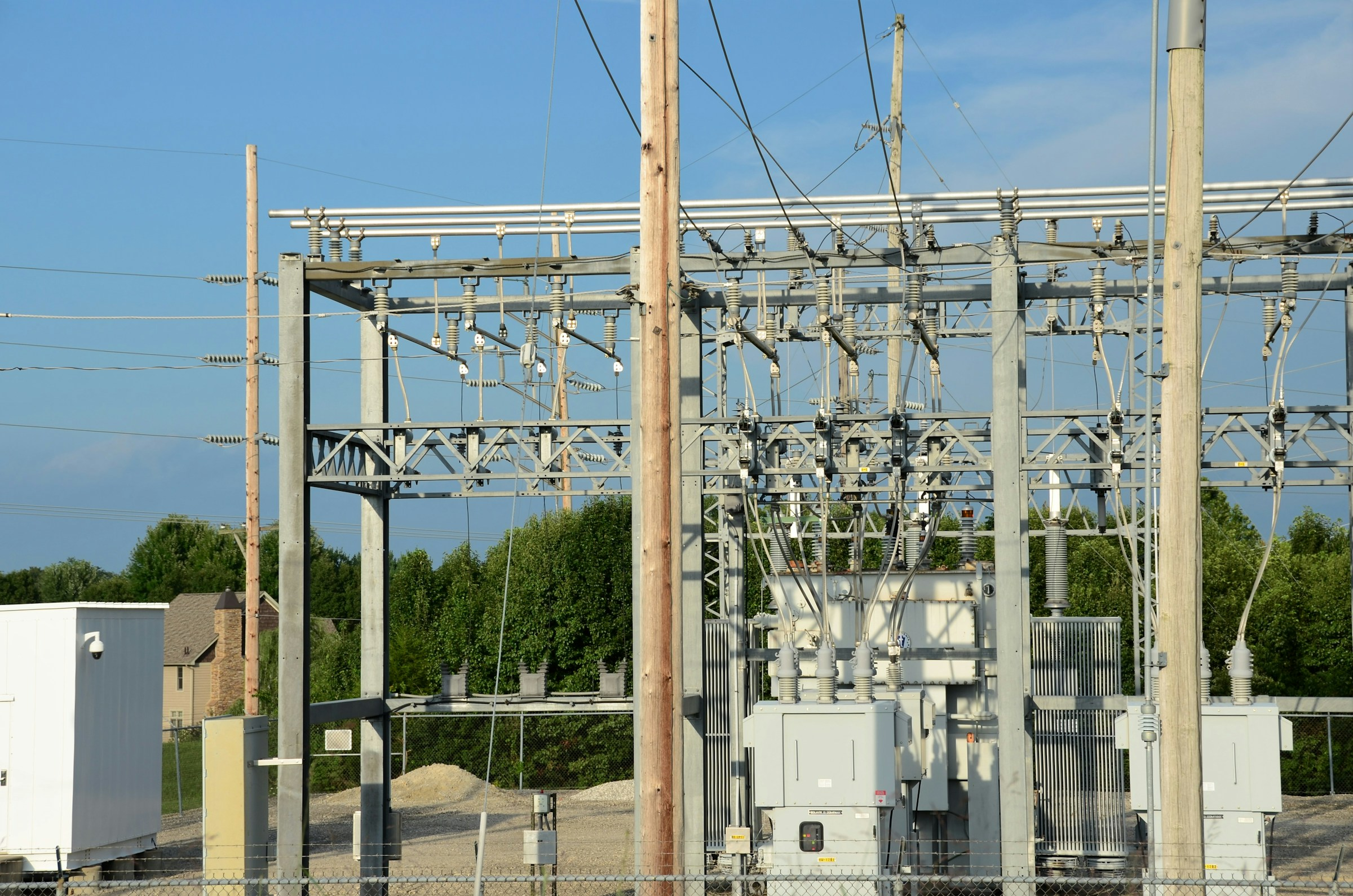
Grid Technologies is benefiting from the same expansion further downstream. Orders increased 27.6% to €5.37 billion and revenue rose 28.6% to €3.62 billion, with the company pointing to substantial transformer growth that included equipment for data-centre projects. Europe and North America were the main regional drivers, while the division’s backlog increased to €51 billion.
Compute demand becomes an electricity order book
The numbers put a physical dimension around a technology investment cycle still frequently measured through chip shipments and cloud capital expenditure. A large AI campus cannot be brought online merely because accelerators have arrived; it also requires dependable generation, substations, transformers, switchgear, transmission capacity, cooling, and enough grid headroom to accommodate a load comparable with heavy industrial facilities.
Those constraints are already influencing where European AI capacity can realistically be built, with electricity availability increasingly shaping data-centre decisions before server specifications are finalised. Siemens Energy’s order book shows how that pressure is feeding into companies previously discussed mainly through electrification, renewable integration, and conventional power-generation cycles.
The resurgence in gas-turbine demand introduces a less comfortable part of the AI infrastructure story. Data-centre operators need large quantities of dependable electricity on construction schedules that can move faster than transmission upgrades, renewable generation, or new nuclear capacity, renewing interest in gas-fired generation as a relatively quick source of dispatchable power.
That can solve a near-term capacity problem while making long-term decarbonisation harder if new generation operates heavily for decades. AI demand is not solely responsible for the gas market’s recovery, since energy security and wider electricity growth are also driving orders, but it has added a large new customer class to an equipment market that was already tightening.
Siemens Energy has told investors that gas turbines are increasingly supply constrained rather than demand constrained, with customers reserving manufacturing slots further into the future. Advance payments and reservation fees are helping cash flow as buyers compete for equipment whose delivery times stretch well beyond ordinary corporate technology procurement cycles.
The grid business may ultimately prove just as important as generation. Transformer lead times have lengthened across several electricity markets while utilities simultaneously replace ageing infrastructure, add renewable generation, and connect new sources of demand. Data centres therefore compete indirectly with electrification projects for some of the same manufacturing capacity and specialist equipment.
Elsewhere in the group, Siemens Gamesa reported a positive quarterly result for the first time since fiscal 2022, providing a reminder that Siemens Energy’s recovery is not solely an AI story. The wind business has spent several years dealing with quality problems, project losses, and restructuring, while stronger conventional-power and grid markets have carried much of the group’s improvement.
For the full financial year, Siemens Energy continues to expect comparable revenue growth of 14–16% and a profit margin before special items of 10–12%, with management expecting the margin towards the upper end of that range. Net income is forecast at around €4 billion and free cash flow before tax at approximately €8 billion.
The company now faces the opposite problem from the weak demand that characterised parts of the previous decade. Manufacturing capacity has to expand without allowing delivery bottlenecks, quality problems, or project execution to erode margins across a backlog extending years into the future.
As AI infrastructure expands, the cost of compute is being translated into turbines, transformers, factories, and grid connections as well as servers. Whether the underlying AI workloads ultimately justify the capital remains unresolved, but electricity infrastructure suppliers are already booking the consequences long before many of those computing facilities enter full operation.


