

Summary
- Octopus Energy and CATL have formed Swaptopus to build battery swapping hubs for electric trucks.
- The partners plan first UK hubs in 2027 and more than 30 European mega hubs by 2035.
- The project addresses logistics downtime, grid flexibility, and the infrastructure economics of freight electrification.
Octopus Energy and CATL are turning battery swapping into a European freight infrastructure bet, with plans for a network of hubs that could make electric lorries more practical for operators that cannot leave vehicles charging for hours.
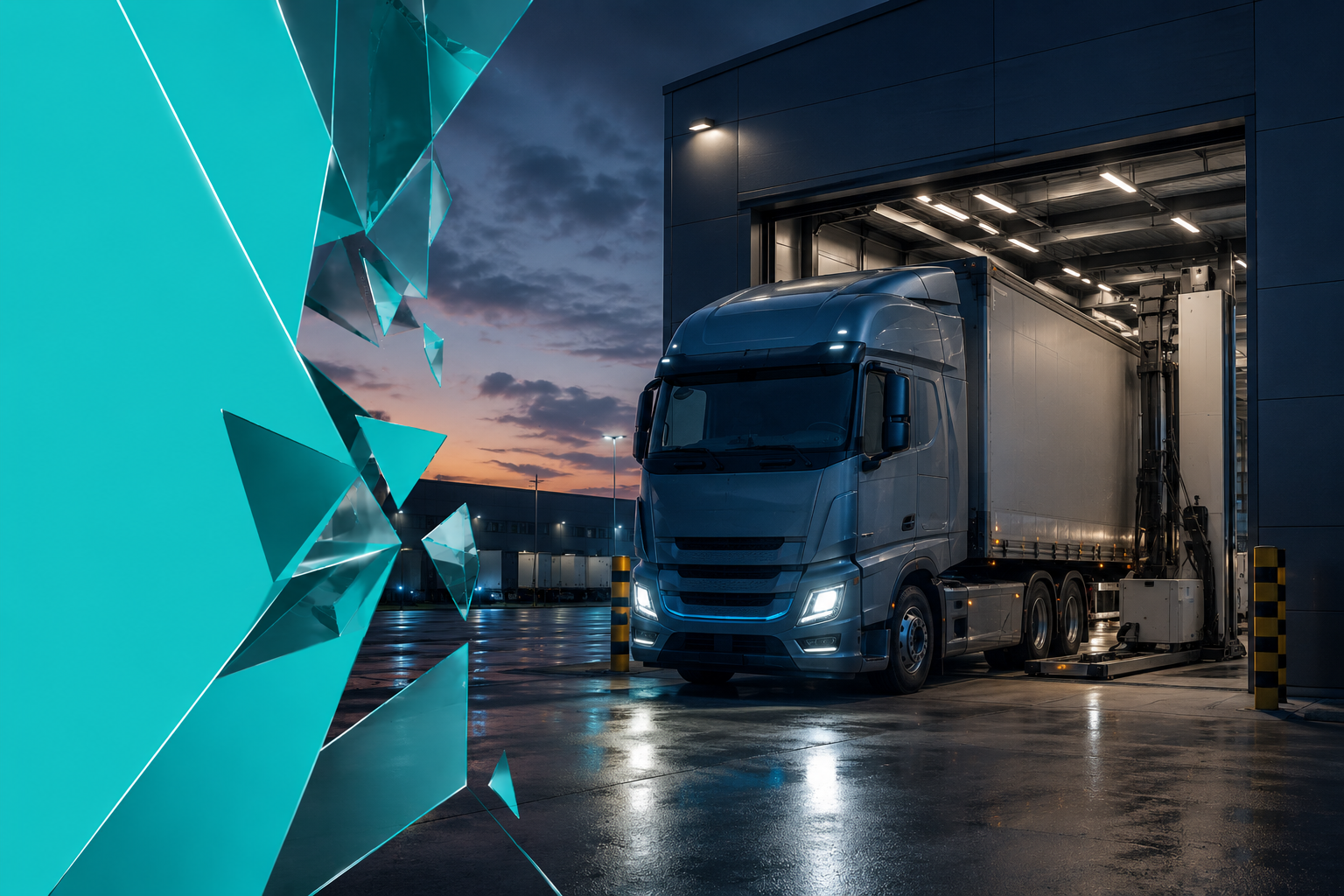
The companies have formed Swaptopus, a joint venture designed to roll out battery swapping hubs for electric trucks across Europe. The first UK mega hubs are expected in 2027, with more than 30 planned across Europe by 2035. Octopus says the network could support more than 300,000 trucks and unlock £30 billion of private investment.
Battery swapping is not a new idea, but the commercial setting matters. Passenger car swapping has struggled in many markets because private drivers have variable routes, charging patterns, and ownership models. Heavy freight is different. Trucks often run defined routes, are managed as fleets, and are judged on utilisation, downtime, predictable operating costs, and depot logistics.
The Octopus and CATL partnership has a clearer infrastructure logic than many earlier swapping experiments. Long charge times remain one of the obstacles to electrifying heavy goods vehicles, even as electric trucks become more competitive on running costs. A swap model could reduce downtime to minutes if battery formats, vehicle compatibility, hub placement, and fleet contracts line up.
CATL brings battery manufacturing scale and experience from China, where swapping infrastructure has been deployed more extensively than in Europe. Octopus brings energy market software, flexibility services, and UK energy retail reach. The joint venture is not just about putting batteries beside roads; it is about managing energy assets that can charge, discharge, and interact with the grid.
The official Octopus announcement says the partners will also explore battery to grid and energy storage opportunities. That is a significant part of the business case. A swapping hub could become more than a refuelling stop if it can charge batteries when electricity is cheap, support grid balancing, and reduce pressure at peak times. In that model, freight electrification becomes part of a wider distributed energy system.
European governments need to decarbonise road freight, but logistics operators work to tight margins and cannot adopt technology that weakens service reliability. Charging infrastructure for heavy trucks requires high capacity grid connections, carefully located sites, and operating models that fit delivery schedules. Public charging designed for passenger cars will not solve freight electrification.
The UK starting point gives the project a useful test market. Britain has dense logistics corridors, large retail and delivery fleets, and growing pressure to cut transport emissions. It also has grid connection constraints and a planning environment that can slow infrastructure deployment. A working UK model would strengthen the case for expansion into continental freight routes.
There are still hard questions. Standardisation will be decisive: battery swapping depends on vehicles being designed or adapted to use compatible packs. Fleet owners will want clarity on battery ownership, warranties, degradation, pricing, and who carries the residual value risk. Regulators and insurers will need confidence in safety, maintenance, and liability arrangements.
The competitive landscape is also developing. Megawatt charging for trucks is advancing, and depot charging will remain attractive for fleets with predictable overnight operations. Battery swapping is therefore unlikely to replace all charging. Its strongest use case may be high utilisation routes where time off road is especially expensive, or where grid constraints make ultra fast charging difficult.
Climate technology succeeds or fails in infrastructure detail. Electric trucks are not adopted because they look cleaner on a policy slide. They are adopted when charging, financing, maintenance, scheduling, and energy costs fit into logistics operations.
Swaptopus gives Octopus and CATL a route into that operational layer. If the companies can combine battery supply, software, grid flexibility, and route based infrastructure, battery swapping could become a serious part of Europe’s freight transition rather than another overpromised clean tech pilot.


