

Summary
- Hive has signed a non-binding letter of intent for a long term customer at its 32MW Boden facility.
- The site is expected to support around 25MW of IT load and up to 10,000 Nvidia GB300 GPUs.
- The story reflects the shift from crypto-era infrastructure towards AI compute, high density cooling, and long term colocation demand.
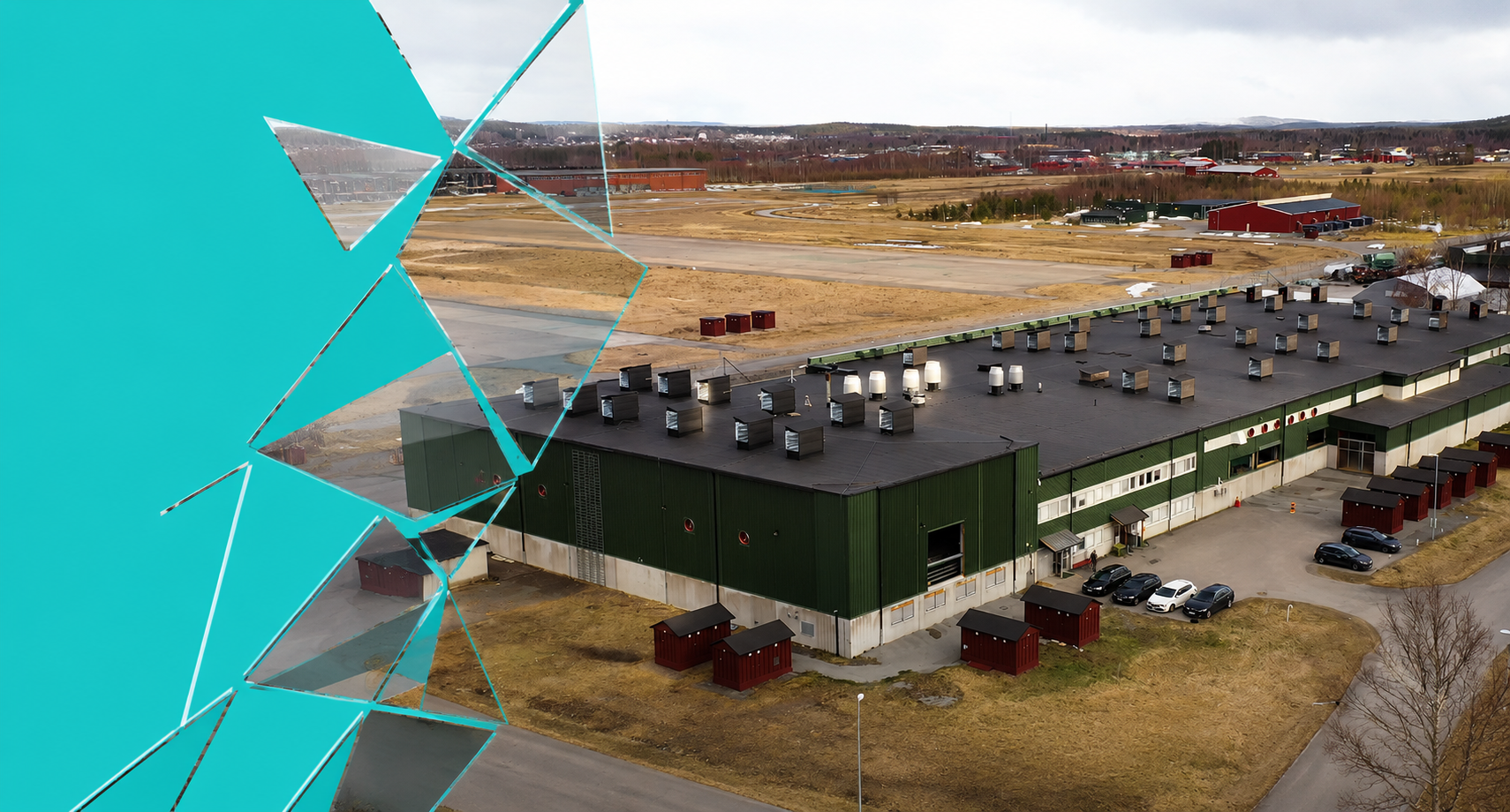
Hive Digital Technologies is moving further into AI infrastructure after signing a non-binding letter of intent for a customer to lease capacity at its 32MW facility in Boden, Sweden.
The proposed lease would run for up to 10 years and support roughly 25MW of IT load. The customer, described as an investment grade Swedish technology company, is expected to deploy up to 10,000 Nvidia GB300 GPUs. Hive has said the retrofit will require hybrid direct-to-chip liquid cooling and air cooling, with rack densities reaching 150kW.
The site has been part of Hive’s estate since 2018 and has roots in the company’s earlier cryptocurrency infrastructure business. The latest plan moves it towards high performance computing and AI colocation, reflecting a broader shift across parts of the datacentre market as operators try to repurpose existing power and building assets for GPU-heavy workloads.
Boden is not an incidental location. The Nordics have long appealed to datacentre operators because of cool climates, renewable heavy power systems, and access to large industrial sites. AI compute has made those advantages more commercially valuable, especially where operators can offer power, cooling, and long term capacity without the grid congestion found in more mature European hubs.
From crypto load to AI infrastructure
Hive’s move captures a wider market transition. During the crypto boom, operators built or acquired power intensive sites to run mining workloads. As Ethereum shifted away from proof of work and market economics changed, some of that infrastructure needed a new role. AI has created one, although the technical and commercial requirements are different.
Cryptomining facilities were often optimised for cheap power and relatively uniform compute loads. AI infrastructure has tighter requirements around latency, cooling, rack density, customer service, networking, hardware refresh cycles, and enterprise grade reliability. Retrofitting a site for 150kW racks and GB300-class systems is not a cosmetic change. It alters the engineering, operations, and financial profile of the facility.
The non-binding nature of the letter of intent keeps the deal short of certainty. The customer still has to move from intention to definitive agreement, and Hive must complete the upgrades needed to support the deployment. Large GPU projects can be delayed by hardware availability, power delivery, cooling design, financing, and customer demand changes. Announced capacity is not the same as contracted, operating capacity.
Even with those caveats, the deal shows how AI is reshaping datacentre demand in Europe. Capacity that once looked peripheral can become valuable if it has power, cooling options, and a route to enterprise grade operation. Nordic countries are likely to keep attracting interest where projects can combine low carbon power with stable regulation and available land.
For European customers, the market effect is more AI capacity but not necessarily more control. GPU infrastructure can be physically located in Europe while serving global platforms, specialist AI providers, or sovereign customers. The identity of the tenant, the ownership of the compute, and the contractual terms will determine whether such sites strengthen regional resilience or simply add another node to global AI supply chains.
Boden’s next phase will be a practical test of AI infrastructure conversion. If Hive can turn a legacy high power site into stable, liquid cooled GPU colocation, it will show how some of the last decade’s speculative compute assets can be recycled into the next decade’s enterprise infrastructure.


