

Summary
- Nexspace has secured a site of approximately 10,000 square metres in Erding, northeast of Munich, for a planned regional data centre.
- The project is designed for 4MW of IT capacity, with an initial electrical connection of 6MVA, redundant infrastructure, and a target PUE of 1.2.
- Opening is planned for 2028, with the facility intended to serve regional enterprises, public institutions, and organisations requiring specialist computing infrastructure.
German data centre operator Nexspace is planning a 4MW facility in Erding, northeast of Munich, extending its regional colocation network as businesses seek computing capacity with established local connections and greater control over their infrastructure.
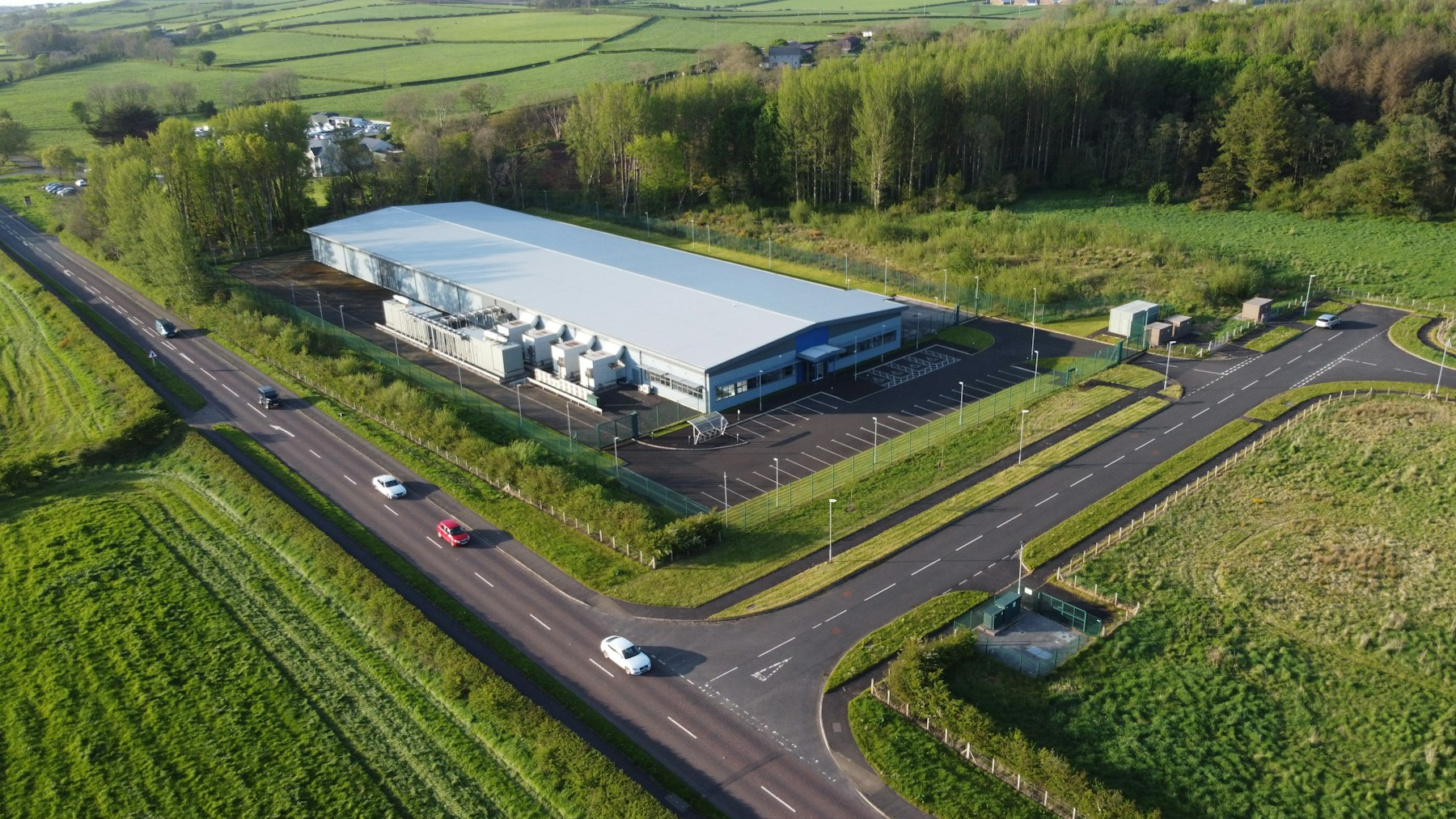
The company has secured approximately 10,000 square metres of land in the Erding Süd commercial area, covering parts of Aufhausen and Bergham. The planned data centre will have an initial electrical connection capacity of 6 megavolt-amperes, with provision for future expansion, and is expected to enter operation in 2028.
Nexspace intends to provide redundant electricity and cooling systems, flexible colocation space, and carrier-neutral connections to telecommunications networks and cloud platforms. The facility is being designed for conventional enterprise computing and higher-density applications, including workloads associated with artificial intelligence.
The development was disclosed locally on 28 October, with wider specialist reporting following on 2 November. It will extend Nexspace’s presence in Germany and Austria, where the operator has existing facilities and development projects in Heidelberg, Graz, and Stuttgart.
Regional capacity for enterprise computing
Data centre investment across Europe includes very large campuses supporting cloud and AI infrastructure, alongside smaller facilities serving regional markets. These different types of development address distinct customer requirements, particularly where organisations need dedicated computing environments without obtaining an entire building or constructing their own facility.
Nexspace is concentrating on the regional segment, offering colocation services through which customers can place their equipment within infrastructure operated by a specialist provider. The operator supplies the physical environment, electricity, cooling, and associated services, while customers retain responsibility for the computing systems and applications covered by their particular arrangements.
Such facilities can serve businesses replacing ageing server rooms, expanding hybrid infrastructure, or seeking additional capacity for applications that are not suited to their existing premises. Customers may also require connections to public cloud platforms while retaining direct operational control over selected systems.
Locating a data centre closer to regional businesses can simplify equipment access and maintenance arrangements. Proximity may also help with applications that require particular connectivity arrangements, although network performance depends on the available routes and providers rather than geographical distance alone.
Erding lies within the wider Munich economic region, which contains established manufacturers, technology businesses, research institutions, and public organisations. Nexspace has identified the developing Defense Lab Erding as part of the area’s technology environment, where companies working on sensitive or computing-intensive applications may require specialist infrastructure.
The facility is intended to offer capacity for startups, medium-sized businesses, public institutions, and other organisations with demanding security requirements. Those customer groups may have different priorities concerning equipment ownership, access arrangements, resilience, and the handling of commercially sensitive information.
Power and cooling shape the design
Nexspace has specified 4MW of planned IT capacity and 6MVA of initial electrical connection capacity. The figures describe different aspects of the project: IT capacity concerns the electricity available to computing equipment, while megavolt-amperes measure apparent electrical power.
Although those measurements are related, they cannot be treated as identical without accounting for electrical power factor and the demands of supporting infrastructure. A data centre must supply electricity not only to servers and other computing equipment but also to cooling, distribution, monitoring, and building systems.
The project includes redundant power and cooling arrangements intended to support service continuity. Such systems can reduce dependence on individual components, although the resilience of the completed facility will depend on detailed engineering, commissioning, and maintenance.
Nexspace is targeting a power usage effectiveness, or PUE, value of 1.2. PUE compares the total electricity used by a data centre with the electricity consumed by its IT equipment, providing a measure of the energy required for supporting systems.
A value of 1.2 indicates that total facility electricity consumption would be approximately 20% higher than IT electricity consumption under the conditions being measured. The figure remains a design target, rather than an observed result from an operating facility, and actual efficiency will depend on utilisation, cooling requirements, and equipment configuration.
Higher-density computing introduces additional thermal requirements because powerful processors can concentrate substantial heat within individual racks. AI workloads may consequently require cooling arrangements that differ from those used for conventional enterprise servers.
Nexspace says the Erding facility will be designed to support demanding computing applications, but detailed specifications for high-density configurations and cooling technologies have not yet been established publicly. The project’s planned IT capacity does not indicate how many AI accelerators will eventually be installed or whether those workloads will account for most of the available space.
Connectivity and local control
The proposed carrier-neutral model will allow customers to select connectivity from different providers rather than depend exclusively on a single network operator. That flexibility can support commercial choice and resilience, provided the available services use appropriate physical routes and independent infrastructure.
Customers considering the facility will need to examine how networks connect to their offices, other data centres, and cloud platforms. Reliable service depends on the performance and redundancy of those connections as well as the availability of equipment within the building.
Nexspace also associates its regional strategy with demand for sovereign IT services. Hosting equipment within Germany can help organisations meet particular location and access requirements, although the extent of operational control depends on the contracts and technical arrangements governing the services they use.
Hardware sourcing, software dependencies, remote support, and cloud integrations may all influence how independently a business can operate. Regional colocation provides an infrastructure option, rather than automatically resolving every issue associated with digital sovereignty.
For public institutions and regulated enterprises, procurement decisions may include requirements concerning physical security, audit access, service continuity, and the handling of information. A regional operator can offer facilities designed around those needs, but customers must evaluate the actual service and its certification or assurance arrangements before committing sensitive workloads.
Building a regional network
Nexspace was established in 2023 and is backed by infrastructure investor InfraRed Capital Partners. Its first facility, a 2MW data centre in Heidelberg, opened in late 2023, while the company has expanded its portfolio through development and acquisition activity in other German-speaking markets.
In Graz, Austria, Nexspace operates an existing facility and has undertaken a further development project. In Stuttgart, it is developing additional computing capacity, with Erding intended to become the next location in the regional network.
Operating several smaller facilities can allow an infrastructure provider to serve organisations that prefer regional access and dedicated service relationships. It also requires consistent operating standards, support arrangements, and investment in infrastructure across multiple sites.
Economics will depend partly on how quickly customers occupy the available capacity. Electricity connections, construction, cooling systems, and operational staffing require substantial commitments before a facility is fully utilised, while potential customers may need certainty about availability before moving important applications.
The Erding announcement establishes that land has been secured for the project, but Nexspace has not disclosed a completed construction contract, confirmed customer commitments, or an independently verified operating efficiency figure. Those details will become relevant as development moves through engineering, procurement, and commissioning.
The company is targeting opening in 2028, extending its regional infrastructure network into the Munich metropolitan area. Construction progress, electrical availability, and customer demand will determine when the proposed capacity becomes available and how the site contributes to Nexspace’s wider colocation business.


