

Summary
- Invest International has provided a €2 million growth loan to Dutch packaging manufacturer PaperFoam.
- The financing will expand Czech production and support working capital at factories in Malaysia and the United States.
- PaperFoam produces moulded starch and natural-fibre packaging, with Dutch machinery suppliers participating in the expansion.
Dutch packaging manufacturer PaperFoam has secured a €2 million growth loan from Invest International to expand production of its moulded starch-based packaging, supporting additional manufacturing capacity in the Czech Republic and operations at factories in Malaysia and the United States.
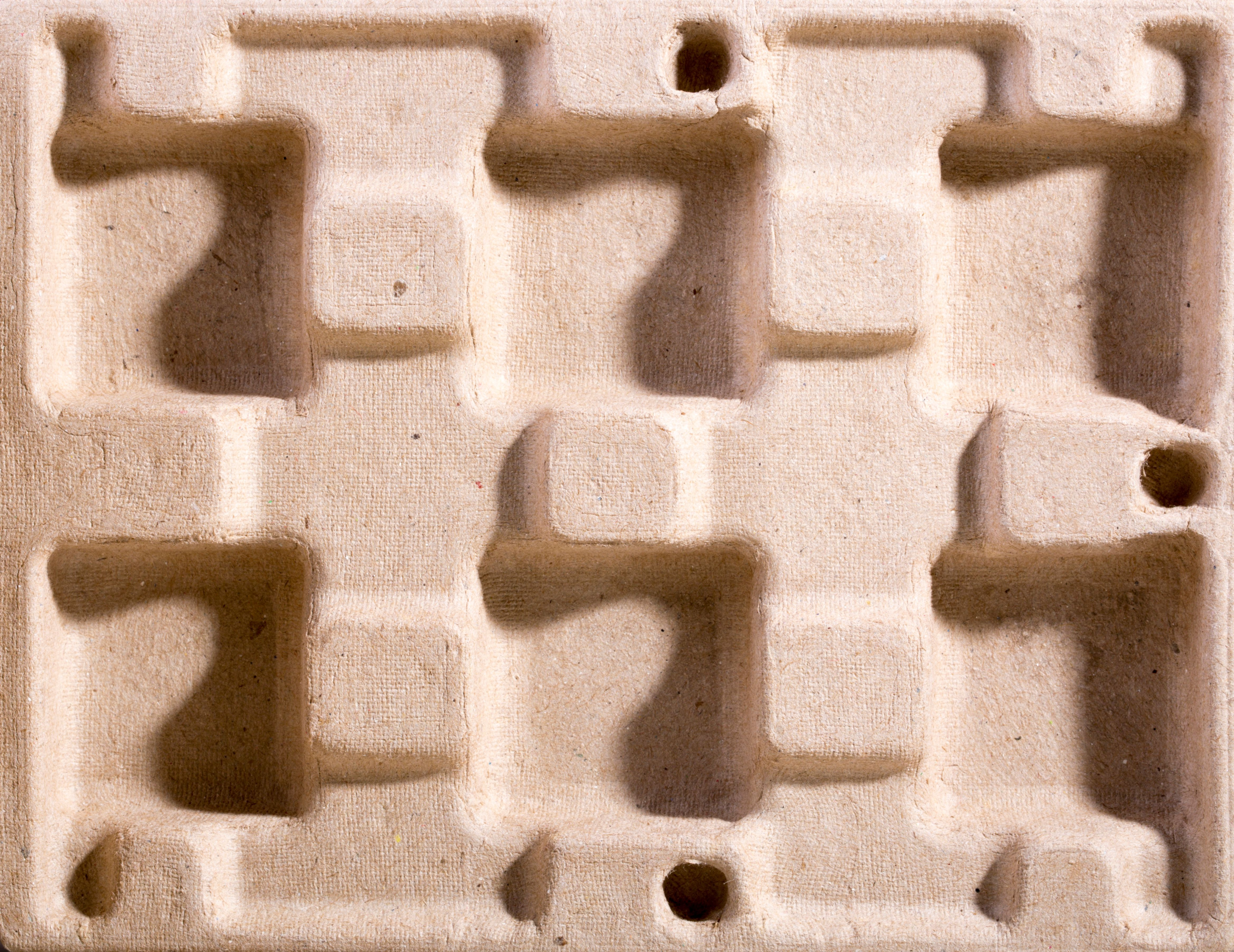
The financing will be used for further expansion of PaperFoam’s Czech production facility and working capital for its other international plants. The company manufactures protective packaging from industrial starch, natural fibres, water, and a proprietary mixture using a patented moulding process.
Invest International confirmed the agreement on 29 October, extending a financing relationship that began in 2020 when it supported PaperFoam’s earlier expansion in the Czech Republic. The new €2 million arrangement is a loan rather than an equity investment, and its detailed repayment terms have not been disclosed.
Based in Barneveld, PaperFoam supplies customised packaging for consumer products, cosmetics, medical equipment, and other applications. Its products are designed to replace certain conventional protective materials while providing a shape and level of protection suited to the goods being transported.
Starch-based packaging moves into production
PaperFoam’s manufacturing process uses renewable raw materials rather than the fossil-derived plastics commonly used in protective foam packaging. Industrial starch forms the principal ingredient, with natural fibres and water combined with a proprietary premix before the material is shaped.
The mixture is injected into customised moulds and heated to produce finished packaging components. This allows the manufacturer to create fitted supports, compartments, and other features designed around the dimensions and handling requirements of individual products.
Protective packaging must maintain its shape and function during storage and transport. Components designed for sensitive equipment may need to resist movement or absorb impacts, while consumer products can require packaging that is easy to handle, visually consistent, and compatible with existing packing operations.
Custom tooling enables PaperFoam to adapt its products to these requirements, although each new design can involve engineering work before production begins. The process therefore combines material development with manufacturing technology and product-specific design.
The company’s products have been used by businesses including cosmetics group Puig, Dutch retailer HEMA, and medical technology company Medtronic. These applications indicate that the material has moved beyond laboratory development into commercial supply arrangements.
For manufacturers considering alternative packaging, the decision involves more than the renewable content of the material. Production cost, product protection, tooling investment, storage requirements, and availability across different markets can all influence whether a packaging format is suitable.
Factories expand across three regions
The Czech facility will receive investment intended to increase manufacturing capacity. PaperFoam already operates internationally, with factories in Malaysia and the United States serving customers in different regions.
Expanding production across several markets can reduce the need to transport finished packaging over long distances, although the commercial benefits depend on demand, raw material supply, and the operating costs of individual facilities.
Working capital supports the day-to-day requirements of running those plants. Manufacturers must purchase materials, maintain inventory, operate equipment, and pay employees before customers settle invoices for the products delivered.
Those costs can increase as production grows, particularly where a company supplies large customers with recurring orders or needs to hold stock close to manufacturing locations.
Invest International’s financing addresses both the investment required for additional Czech capacity and the cash needed to sustain operations in Malaysia and the United States. The lender has not published the allocation of the €2 million between those purposes.
The relationship illustrates a challenge facing industrial technology businesses after their products enter the market. A manufacturer may have functioning technology and established customers but still need substantial capital to purchase machinery, increase output, and manage the financial requirements of international operations.
Unlike software companies, industrial businesses frequently need additional physical assets before their revenue can grow substantially. New production equipment can require significant upfront expenditure, while the benefits depend on whether enough customer demand exists to use the capacity effectively.
Dutch engineering supports overseas expansion
PaperFoam’s Czech expansion will involve machinery from two Dutch suppliers, Kuyer Metaal in Nijkerk and Shuffle-Mix in Barneveld. Their participation keeps part of the engineering and equipment expenditure within the Netherlands even as the manufacturer extends production elsewhere.
Specialised machinery is an important part of PaperFoam’s business because its products depend on consistent moulding and material processing. Increasing output while maintaining product quality requires equipment capable of reproducing the same characteristics across substantial manufacturing runs.
Production scaling can introduce challenges involving machinery availability, maintenance, throughput, and the consistent behaviour of raw materials. These factors affect whether additional factory capacity produces the intended improvement in output.
Working with established equipment suppliers may help PaperFoam maintain continuity between its production facilities, although the manufacturer will still need to commission and operate the new equipment successfully.
Invest International’s involvement reflects its role in supporting Dutch businesses undertaking international activities where conventional financing may be insufficient. The lender has supported PaperFoam since its previous Czech expansion and regards the current investment as part of the company’s next stage of industrial development.
Packaging performance extends beyond disposal claims
PaperFoam describes its material as compostable and recyclable through paper waste streams, with published information about its relevant certifications and disposal characteristics.
Those properties may provide alternatives to certain conventional packaging materials, but the practical result depends on how products are collected and treated after use. Local recycling systems can impose different acceptance requirements, while composting performance depends on the material and disposal conditions.
PaperFoam’s material is certified for home composting, according to its technical information, and the company states that its fibres can be recovered through paper recycling. Commercial customers still need to confirm that the resulting packaging is suitable for their products and the markets in which it will be supplied.
The production process also has environmental characteristics that require assessment alongside end-of-life treatment. Energy use, transport distances, material sourcing, packaging weight, and product protection can all influence the overall environmental footprint.
A lightweight package may reduce the quantity of material required or simplify distribution, but those benefits depend on the particular product and its supply chain. Packaging that fails to protect valuable goods can create additional waste and transport costs, making functional performance central to the environmental comparison.
The manufacturer is competing in a market where businesses are under pressure to reduce waste and reassess their packaging. Its commercial proposition combines a renewable material with a production process intended to deliver customised protective components at industrial volumes.
Loan supports an established industrial business
PaperFoam’s latest investment differs from financing a technology still seeking its first customer. The company has an established international manufacturing footprint and commercial applications, with the new funding directed towards expansion and operational capacity.
Debt financing allows the company to raise capital without issuing an equivalent amount of new equity, although it creates repayment obligations that must be supported by future cash flow.
The suitability of that approach depends on production volumes, customer demand, operating margins, and the pace at which new equipment becomes productive. Manufacturing growth can also require further investment in staff, maintenance, and supply arrangements as output increases.
Neither PaperFoam nor Invest International has disclosed a specific increase in annual production capacity, an additional employment target, or a completion date for the Czech expansion.
The €2 million loan establishes the financing for the next stage of development. Its effect will become clearer as the Czech facility expands and the company’s factories in Malaysia and the United States use the additional working capital to support customer orders.


