

Summary
- ClearSpace UK has been selected as prime contractor for a £61 million national debris removal mission.
- The spacecraft is planned to launch in 2029 and remove two defunct satellites by 2032.
- Robotic capture and autonomous rendezvous technology developed for the mission could support future orbital servicing applications.
The UK government has commissioned a £61 million spacecraft mission to capture and remove two defunct satellites from orbit, appointing ClearSpace UK to lead a programme intended to develop commercial capabilities in robotic space operations.
Announced on 15 October, the national Active Debris Removal mission will require a spacecraft to approach objects that were not designed to be recovered, establish physical control over them and guide them towards atmospheric re-entry.
The UK Space Agency plans to launch the spacecraft in 2029, with both target satellites scheduled for removal by 2032. The announced plan involves a launch from Saxavord Spaceport in Scotland, although the delivery timetable remains subject to spacecraft development, testing and launch arrangements.
The £61 million figure describes the newly commissioned contract. It must not be added to the earlier procurement’s advertised value as though the government had announced two separate missions.
ClearSpace UK will lead design, manufacturing, testing and operational delivery. The UK Space Agency is the government customer, purchasing a defined capability intended to demonstrate removal of more than one satellite through a national mission.
The project addresses increasing congestion in low Earth orbit. Operational satellites are used for communications, navigation, research and observation, while abandoned spacecraft and fragments from earlier missions can remain in orbit and create collision risks.
Robotic capture presents difficult engineering problems
Removing a non-functioning satellite is more complex than moving an object whose position and behaviour can be controlled. A target may be rotating or moving unpredictably relative to the approaching spacecraft, while its equipment may no longer support communications or cooperative docking.
The servicing vehicle must determine the target’s location and motion before approaching closely enough to capture it. Sensors, flight software, navigation systems and propulsion must coordinate the operation without causing a collision that creates additional debris.
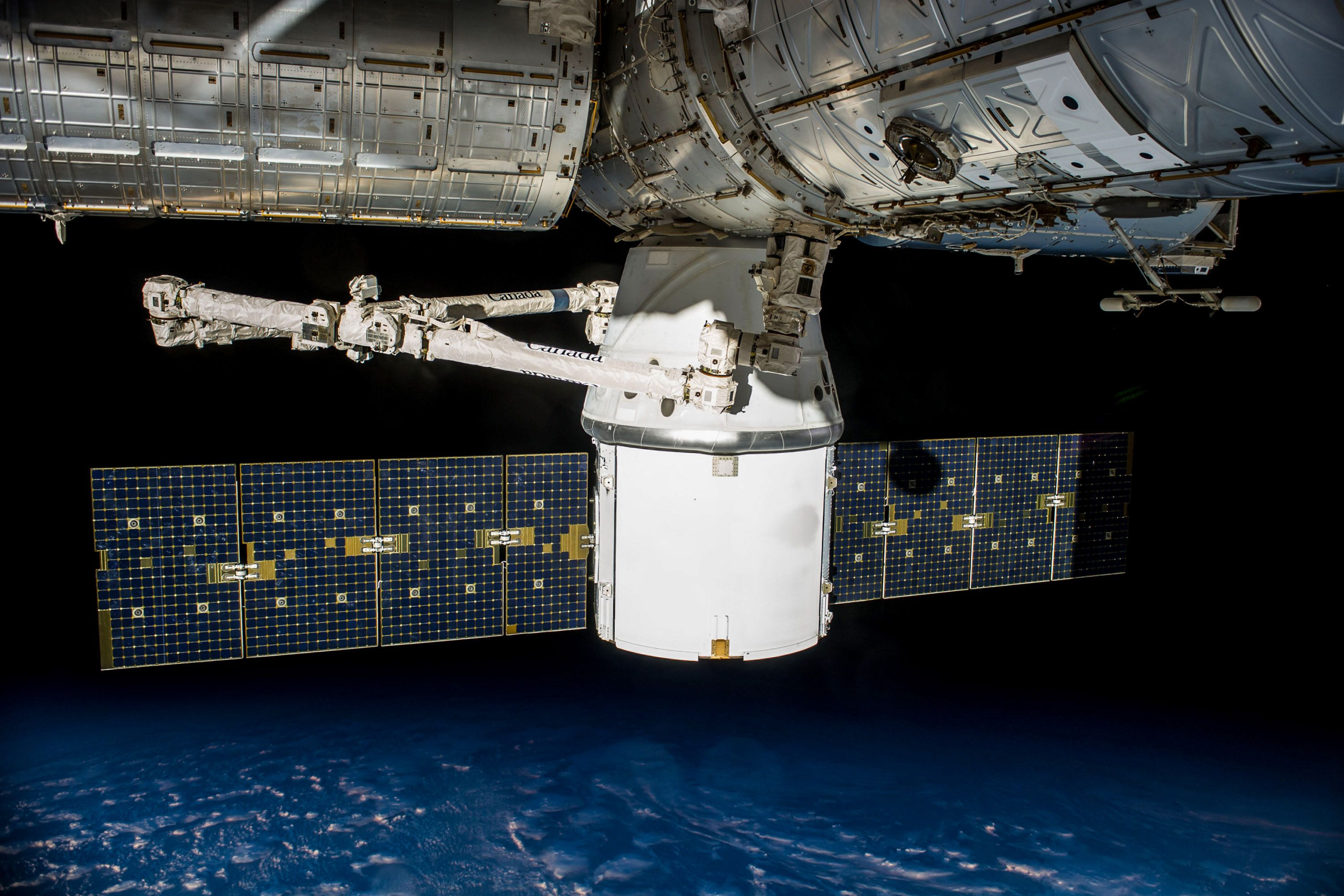
The government says the spacecraft will use robotic claws to grasp the satellites. The final equipment configuration will need to satisfy the demands of both target objects, which may present different physical and operational characteristics.
Once a target is secured, the servicing vehicle must carry out the planned disposal manoeuvre safely. The mission then needs to continue to its second target or complete the necessary sequence of operations in accordance with its approved design.
Each stage creates technical risk, and terrestrial testing cannot reproduce every condition encountered during an orbital operation. Engineers will have to validate the spacecraft’s behaviour under a range of target movements, sensor limitations and possible equipment faults.
ClearSpace has previously developed technologies for rendezvous and capture through European space programmes, including work associated with the European Space Agency’s ClearSpace-1 project. The UK mission is a separate contract with different target objectives and delivery arrangements.
Experience from those earlier projects may contribute to the new spacecraft, but progress in testing or design cannot be presented as proof that the two UK targets have already been removed.
Government procurement supports a servicing market
The programme is also a commercial development opportunity for the UK’s space industry. Previous investment in debris removal has included feasibility studies, technology development and procurement preparation, whereas the latest agreement appoints a prime contractor to deliver a defined orbital mission.
A successful operation could help establish technical credibility for services involving inspection, retrieval, maintenance and other activities around spacecraft already in orbit.
Those applications may use related technologies, particularly systems for approaching and operating near other objects. However, repairing or refuelling an active satellite presents different requirements from removing abandoned hardware, and additional engineering would be necessary for each service.
The commercial models also differ. Debris removal provides a shared benefit by reducing hazards, but demand for the service depends on organisations being willing or required to pay for it. Servicing an operational satellite may create a more direct financial benefit where its useful life can be extended for less than the cost of replacement.
ClearSpace’s experience in the UK mission could support future contracts, although no commercially sustainable recurring market has yet been established by the announcement.
The project may also strengthen domestic skills in robotics, spacecraft engineering, autonomous guidance and mission operations. Government procurement can provide companies with a defined customer and technical target, allowing them to develop capabilities against delivery requirements rather than demonstration concepts alone.
Those benefits must still be assessed against cost and execution risk. Spacecraft development can require specialised components and extensive validation, while launch delays or technical problems may affect the planned mission timetable.
The government’s wider space strategy identifies in-orbit servicing, assembly and manufacturing as areas of potential industrial growth. The current contract is one contribution to that ambition rather than evidence that a complete commercial servicing industry has already emerged.
Success remains a future milestone
The UK Space Agency has linked the programme to the importance of satellites in supporting national infrastructure and economic activity. However, the wider value of the British space sector should not be presented as an output generated by this individual contract.
The same distinction applies to potential environmental benefits. Removing two satellites would demonstrate a defined debris reduction capability, but the total risk in orbit also depends on launches, collisions, fragmentation events and the disposal practices followed by other operators.
The mission has a commissioned contractor, a stated budget and planned milestones. Work must now proceed through design, testing, launch and orbital operations before either target can be counted as successfully removed.
The intended 2029 launch and 2032 completion provide a timetable against which progress can be assessed. Until those operations take place, the government’s announcement establishes a funded procurement and a future engineering objective, rather than a completed debris removal achievement.


