Summary
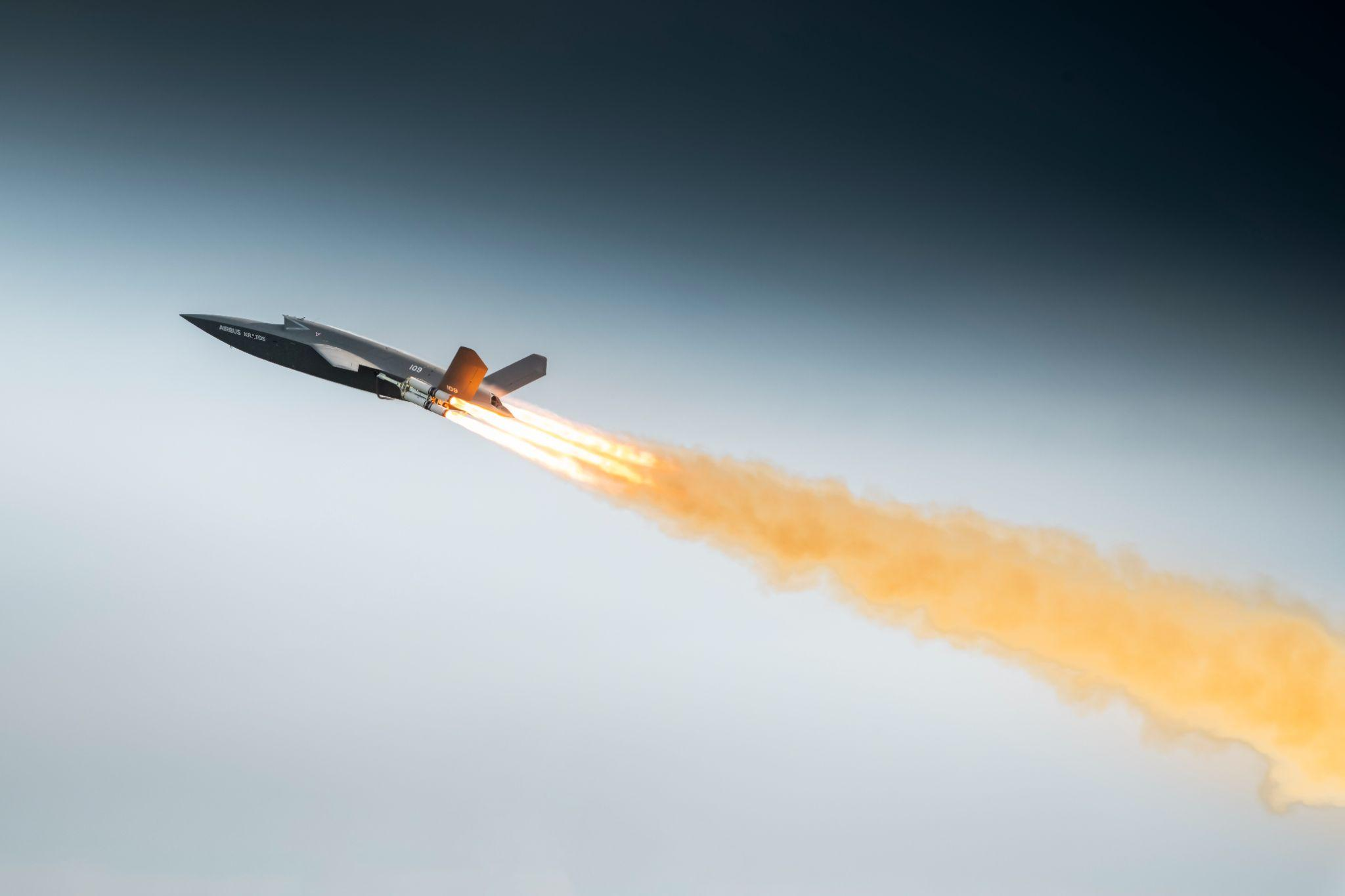
- The European flight involved a rocket-assisted launch and manoeuvres up to Mach 0.8.
- Airbus plans further tests of its MARS autonomous mission system.
- Combat readiness by 2029 remains a target rather than an achieved capability.
Airbus and US defence company Kratos have completed the first European flight of the U740 Valkyrie uncrewed combat aircraft, marking a step towards a proposed European mission system intended to operate alongside crewed fighters. The test took place at a facility in northern Europe, with Airbus describing a rocket-assisted launch, manoeuvres at different altitudes and speeds up to Mach 0.8, and adjustments to the flight plan during the mission.
The aircraft is based on Kratos' Valkyrie platform. Airbus intends to integrate its Multi-platform Autonomous Reconfigurable and Secure, or MARS, mission system to provide software and mission-level control for European defence customers. The partners have identified 2029 as a target for combat readiness, but that date remains a development objective rather than evidence that the capability has entered service.
The distinction between an aircraft flight and a tested mission capability is substantial. An air vehicle can demonstrate launch, manoeuvrability and recovery characteristics before the software needed to coordinate it with pilots or other autonomous systems has completed integration. According to reporting on the programme, the initial European flight did not yet include the full Airbus MARS mission system, which is planned for later tests.
Airbus says MARS uses AI-enhanced software to support autonomous tasks and the coordination of mission groups, with a hierarchy intended to leave critical decisions subject to human control and established rules of engagement. The actual operational behaviour will depend on how tasks, permissions and fail-safe responses are defined. A statement that a human remains in control needs to be tested against communication losses, unexpected conditions and the time available to intervene.
The sovereignty argument centres on which organisation controls mission software, data and equipment interfaces, even when the aircraft structure comes from a US partner. European armed forces may want the ability to adapt applications or configure missions without relying on changes being approved or delivered by an overseas supplier. That flexibility has to coexist with safe integration and agreed responsibilities between the companies.
The U740 is intended to support crewed aircraft such as Eurofighter by carrying sensors, weapons or other mission payloads into higher-risk environments. Potential uses involve reconnaissance, electronic warfare and combat support, although specific customer configurations and procurement decisions have not been established by the flight announcement. Aircraft specifications, including a claimed range exceeding 5,000 kilometres, are design characteristics rather than independently verified mission endurance in every operating profile.
Airbus lists the aircraft at approximately 9.1 metres long with an 8.2-metre wingspan and a maximum take-off weight around three tonnes. The company says the design can support runway-independent launches as well as conventional runway operations. Both options require operational infrastructure, training and maintenance arrangements, even if the aircraft reduces exposure of aircrew to certain missions.
For European customers, the central question is how quickly a proven airframe can be combined with a mission system meeting national requirements. Defence acquisition processes can be prolonged by software assurance, communications integration, airworthiness and weapons safety checks. Testing a platform in Europe may support operational planning, but it does not eliminate these steps or establish a purchase commitment.
The programme also illustrates the tension between autonomous functionality and reliable oversight. A mission system may need to coordinate aircraft when data links are disrupted or delayed, yet commanders still require confidence that it will respect operating limits. Effective assurance demands recorded tests across foreseeable failure conditions, not simply demonstrations in benign airspace.
The first European flight provides a tangible engineering milestone. The next substantive evidence will come from MARS integration, cooperation with crewed aircraft and procurement decisions that show whether the partners can deliver a fieldable European configuration on their proposed timetable.
A procurement timetable is likely to turn on more than successful air tests. The German and other European armed forces will need to define what autonomous platforms are supposed to do alongside their existing aircraft and how responsibility will be divided between human crews and mission software. The airframe's payload capacity and endurance only become operationally meaningful against a specific mission profile.
Software sovereignty will also need a workable technical boundary. Customers may require control over mission data and applications while relying on a foreign-designed aircraft for flight-critical systems. Maintenance, upgrade approvals and interfaces between those layers can affect how independently a European operator can adapt a capability over its lifetime.
The flight's timing also deserves precision. Airbus announced completion on 12 October, while reporting based on accompanying imagery placed the test itself in late September. The development is therefore a newly disclosed milestone, not necessarily an aircraft flight that happened on the day of the press statement. That distinction matters when assessing the maturity and subsequent testing schedule.