

Summary
- Bolt aims to deploy at least 25,000 fully autonomous Lucid vehicles across European cities using Nvidia Hyperion hardware.
- Bolt intends to own and operate the fleet while helping define vehicle, software, safety, and city-deployment requirements.
- No investment figure, deployment deadline, or firm vehicle order has been disclosed, leaving substantial regulatory and operational work ahead.
Bolt and Lucid are planning a fleet of at least 25,000 autonomous vehicles across European cities, moving the ride-hailing company’s driverless ambitions beyond isolated trials towards a potentially large operating network.
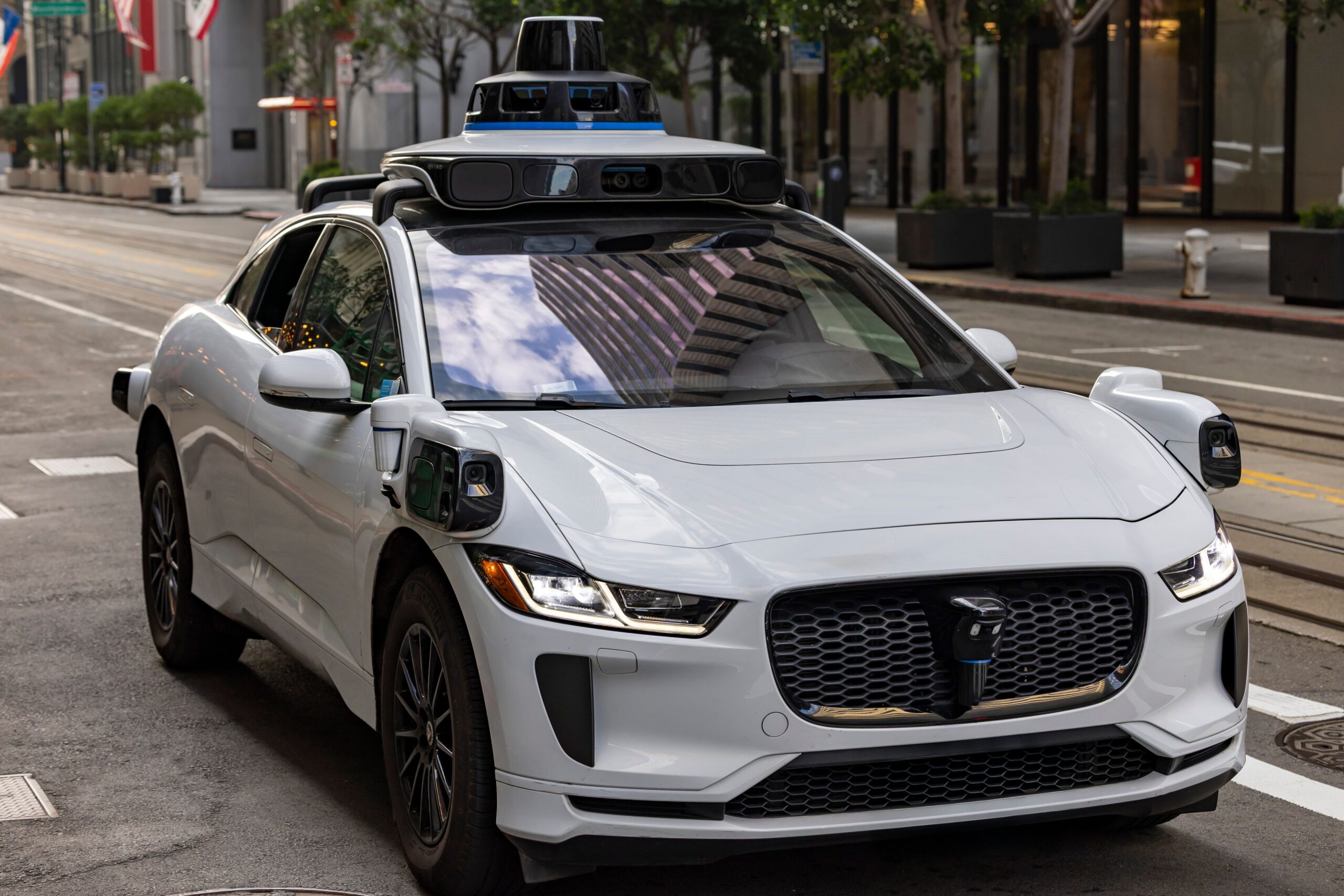
The companies will work from the vehicle-development stage on a platform intended to support SAE Level 4 automation, under which a vehicle can drive without human intervention within defined conditions and operating areas. The vehicles are expected to use Lucid’s forthcoming Midsize electric-vehicle architecture alongside Nvidia’s Hyperion autonomous-driving compute and sensing platform.
Bolt intends to own and operate the vehicles rather than simply list another company’s robotaxis on its marketplace, giving the Estonia-founded mobility company a much larger role in the capital, infrastructure, maintenance, and regulatory machinery behind autonomous transport. It has set a wider ambition of hosting 100,000 autonomous vehicles on its platform by 2035.
The scale needs qualification, because the companies have not disclosed how quickly the 25,000 vehicles would arrive, how much Bolt expects to invest, or which European cities would receive them first. No firm vehicle order has been announced either, leaving the partnership partly as a development programme whose commercial deployment will depend on autonomous-driving software, local approval, fleet infrastructure, and the readiness of Lucid’s next vehicle platform.
Owning the fleet changes Bolt’s role
Ride-hailing platforms have traditionally built their economics around connecting privately owned or independently operated vehicles with passenger demand, leaving much of the asset cost outside the platform itself. A robotaxi fleet changes that structure because the operator has to acquire or finance vehicles, keep them available, maintain their sensors and compute systems, handle charging, clean and reposition the cars, and provide remote operational support when autonomous systems encounter situations they cannot resolve alone.
Bolt’s autonomous-driving unit is expected to help establish vehicle, software, safety, and passenger-experience requirements while developing the operating systems, fleet infrastructure, and city partnerships required for deployment. That places the company closer to a transport operator than a software marketplace, particularly if it eventually owns tens of thousands of vehicles across multiple jurisdictions.
The Lucid agreement also sits inside a wider autonomous-vehicle programme assembled by Bolt during 2026. The company has announced separate work with Stellantis, Pony.ai, and Nvidia, including a testing programme in Luxembourg and plans to use Nvidia Hyperion as part of the technical foundation for autonomous services.
Multiple partnerships give Bolt access to different vehicle and autonomous-driving approaches, although they also create an integration problem. Fleet operations have to accommodate different vehicle platforms, sensors, software stacks, maintenance regimes, and regulatory approvals without turning every deployment into a separate operating business.
European deployment is more than a vehicle problem
Lucid and Bolt describe the new platform as being designed around European roads and regulation, an important distinction because an autonomous vehicle validated in one city cannot simply be assumed to work everywhere else. Road layouts, signage, weather, cyclist behaviour, pedestrian density, emergency procedures, mapping requirements, and local transport rules all shape the operating domain in which a Level 4 vehicle can safely run.
Regulation is similarly fragmented in practice even where wider European standards exist. Commercial services ultimately need approvals, insurance arrangements, city access, procedures for incidents and enforcement, and agreement over how vehicles interact with local transport systems. A fleet owner also has to determine where remote operators sit, how vehicle data is handled, and what happens when connectivity or software services fail.
Those constraints help explain why robotaxi development in Europe has tended to progress through geographically bounded pilots rather than immediate national roll-outs. Commercial scale depends not only on whether a vehicle can drive itself, but on whether an operator can repeat the same safety case, maintenance model, charging operation, and customer-service process across city after city.
The hardware choice consequently represents only one layer of the system. Nvidia Hyperion supplies onboard compute and sensing architecture, while Lucid provides the vehicle platform, but the partners have not identified the supplier or suppliers responsible for the complete autonomous-driving software. Bolt will also have to connect those systems to dispatch, routing, passenger support, payments, fleet management, and city-specific operating controls.
Robotaxi economics will be tested in operations
Removing a human driver changes the cost base of ride-hailing, although it does not remove labour or operating expense altogether. Autonomous fleets require technicians, cleaning, charging, remote assistance, incident response, depot operations, insurance, software support, and substantial capital tied up in vehicles that earn revenue only while available for passenger trips.
Utilisation therefore becomes central to the commercial case. A vehicle that remains productive through much of the day can spread fixed costs over more journeys, whereas downtime for charging, maintenance, cleaning, software problems, or restrictions on where it can operate weakens the economics quickly. Demand also varies heavily by hour and location, requiring a fleet operator to balance availability against the cost of holding vehicles that are temporarily idle.
Lucid, meanwhile, gains another route into autonomous fleets while it works to expand beyond consumer electric vehicles. The manufacturer already has a separate US robotaxi programme involving Uber and Nuro, and the European agreement extends the potential role of its forthcoming Midsize platform into another high-utilisation market.
For now, the 25,000 figure remains an ambition rather than a delivered fleet, and the absence of a deployment timetable is material. Bolt and Lucid have nevertheless outlined a model in which the mobility platform owns the vehicles, participates in product development, and takes responsibility for much of the operating environment around them. Reaching the target will depend less on producing an impressive autonomous demonstration than on repeating a safe and economically workable transport service across Europe’s very different cities.


