

Summary
- TerraPower chief executive Chris Levesque says Natrium could generate electricity in Britain by 2034, although the company has not selected a UK site.
- The 345MW sodium-cooled reactor combines nuclear generation with molten-salt energy storage capable of lifting output to 500MW when required.
- Britain’s Advanced Nuclear Framework creates a route for privately led projects, but TerraPower still faces design assessment, siting, financing, fuel, and construction decisions before its target becomes a delivery schedule.
TerraPower is targeting 2034 for its Natrium reactor technology to begin generating electricity in Britain, putting a date on its UK ambitions as the government tries to build a privately financed market for advanced nuclear power alongside its larger state-backed programme.
President and chief executive Chris Levesque told Reuters that electricity from Natrium in the UK by 2034 was achievable, although TerraPower has not selected a site for its first British plant. The company established a UK subsidiary earlier this year and its reactor design is in the first stage of Britain’s Generic Design Assessment, making the date an industrial ambition rather than an approved construction timetable.
Natrium combines a 345MW sodium-cooled fast reactor with molten-salt energy storage that can lift output to 500MW for periods of high demand. That ability to keep the reactor operating steadily while shifting stored heat into electricity later is intended to make nuclear generation more flexible within a grid that also contains growing volumes of variable wind and solar power.
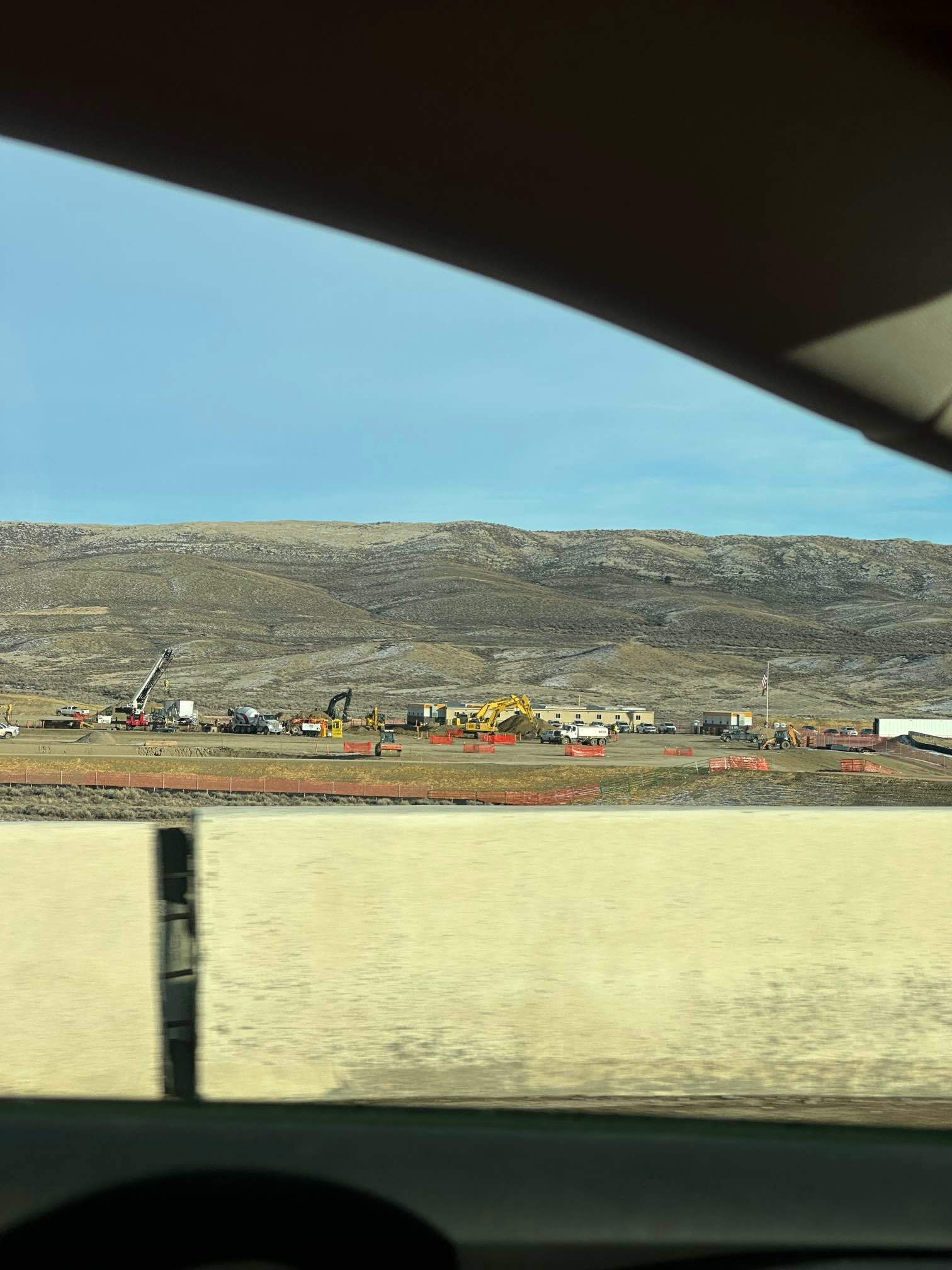
TerraPower’s first Natrium project is being developed at Kemmerer in Wyoming, giving the company a reference plant from which it hopes to expand internationally. Britain would become its first overseas market if the UK programme proceeds on the timetable Levesque has outlined, although design regulation, site-specific permissions, financing, supply-chain development, and fuel arrangements remain unresolved.
Britain is opening a private nuclear route
The policy environment has become more accommodating to projects that do not follow the traditional model of a government-backed gigawatt-scale nuclear station. The Advanced Nuclear Framework published in February created a pipeline for privately led small, advanced, and micro modular reactor projects, alongside a Project Readiness Assessment intended to identify proposals mature enough for structured engagement with government.
That structure is important because advanced reactor developers need considerably more than regulatory permission before construction can begin. Planning, site access, fuel supply, investors, customers, skilled labour, component manufacturing, waste arrangements, and a credible route to revenue all have to align around a technology whose first-of-a-kind costs can be difficult to predict.
TerraPower has at least entered the UK design process. The Office for Nuclear Regulation, Environment Agency, and Natural Resources Wales began a three-step Generic Design Assessment of Natrium in June, examining safety, security, safeguards, and environmental implications before any site-specific project is approved.
The assessment can reduce risk for a future project because design issues are addressed before a developer commits to a particular location, although completion does not itself authorise construction. TerraPower submitted its application in October 2025, received government acceptance in February, and launched TerraPower UK as formal regulatory work began.
Fuel and customers shape the economics
Natrium depends on high-assay low-enriched uranium, or HALEU, a fuel enriched to a higher level than that used in most conventional commercial reactors. Western supply has become an industrial-policy issue because Russia historically provided the principal commercial source, prompting both the UK and US to invest in domestic production capacity.
The British government has incorporated fuel-cycle capability into its advanced-nuclear policy, while Urenco is developing an Advanced Fuels Facility in the UK. A reactor programme that remains dependent on constrained imported fuel would undermine part of the energy-security argument used to support advanced nuclear development, so fuel availability will have to grow alongside the reactor market.
Cost presents another test. Levesque has said Natrium generation could come in below £100 per megawatt hour, although such an estimate depends on financing, construction performance, fuel, utilisation, and the number of units built. Nuclear developers have historically struggled to translate forecast costs into delivered costs, particularly on first projects, so repeatable construction rather than reactor design alone will determine whether advanced nuclear competes effectively with other low-carbon options.
The emerging customer base may also differ from that of conventional nuclear stations. Britain’s Advanced Nuclear Framework explicitly contemplates private-wire power for data centres and industrial facilities alongside ordinary grid generation, while TerraPower has already agreed with Meta to develop multiple Natrium plants in the United States.
Large technology companies seeking substantial volumes of round-the-clock low-carbon electricity have consequently become potential anchor customers for nuclear developers, particularly as AI infrastructure pushes data-centre power demand upwards. A similar arrangement in Britain could give a developer a contracted source of demand while reducing some exposure to wholesale electricity prices, although no equivalent UK TerraPower customer has yet been announced.
TerraPower’s 2034 target therefore lands in a market becoming more receptive to advanced reactors without having solved their execution problem. Britain has created a regulatory and policy route, and Natrium has entered it, but a site, fuel, finance, customers, regulatory approval, and construction programme still have to converge before the date becomes more than a credible ambition.


