

Summary
- Pneumonitor's environmental sensor has been connected to private 5G infrastructure built through the Growing Sussex programme.
- The deployment uses 5G RedCap, which reduces device complexity and power requirements for connected equipment.
- With all four partner networks already live, the programme is moving from connectivity construction towards evidence about applications and commercial usefulness.
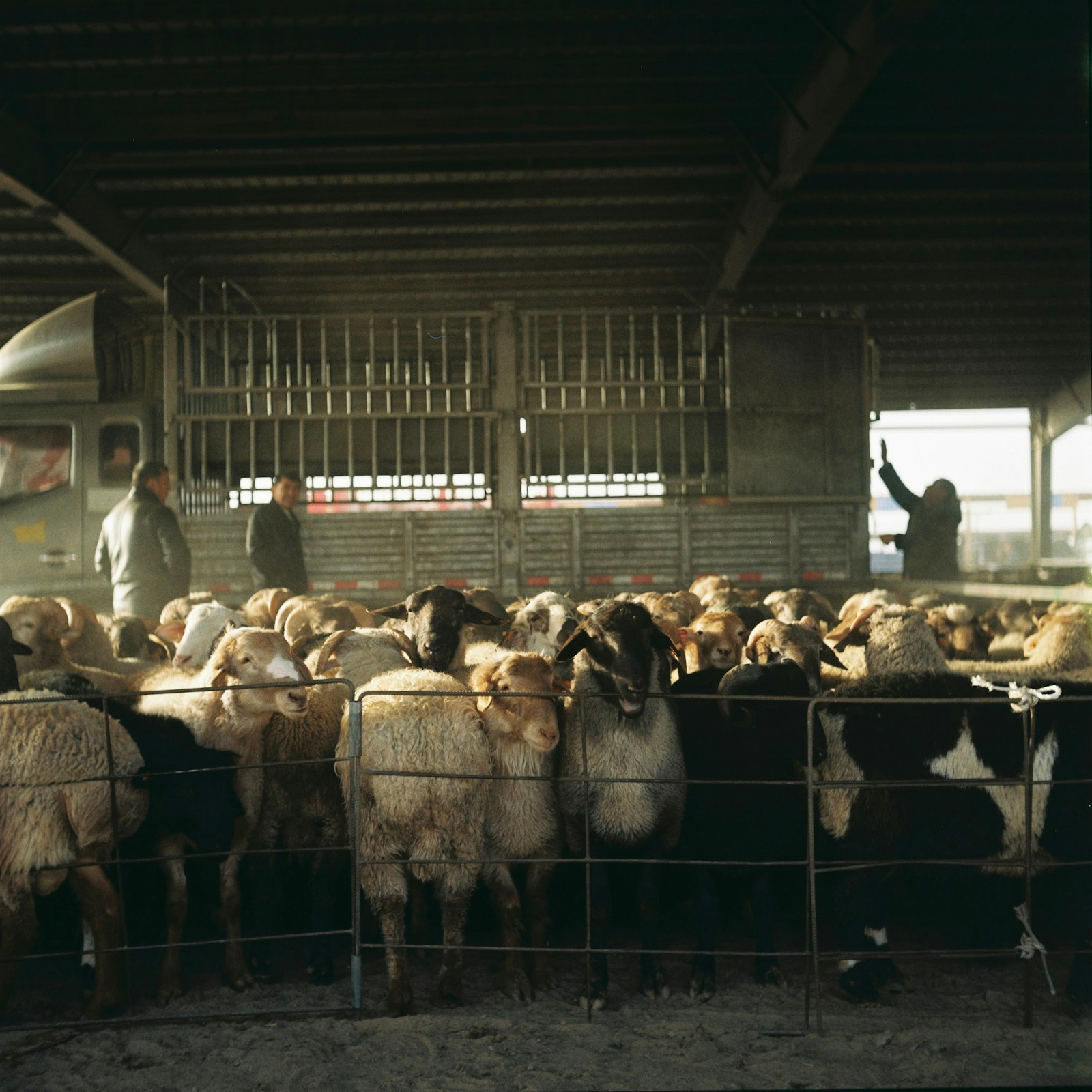
A publicly backed private 5G programme in West Sussex has moved from constructing connectivity into testing livestock applications, connecting environmental sensors inside animal pens so farms can monitor conditions associated with heat stress and respiratory problems more continuously. The deployment brings Boldyn Networks together with West Sussex County Council and agritech company Pneumonitor through the Growing Sussex programme.
Pneumonitor’s equipment measures environmental conditions close to the animals rather than relying solely on sensors fixed elsewhere in a livestock building. Data travels across the private network using 5G Reduced Capability, or RedCap, providing near real-time information intended to help farms identify changing heat and environmental conditions before they become obvious through animal behaviour or affect production.
The application sits on infrastructure that has been several years in development. Boldyn and West Sussex County Council announced four private 5G networks in 2024, and all four Growing Sussex partner sites were live by December 2025. The programme can therefore move beyond measuring network coverage and begin testing whether dedicated connectivity produces enough practical value across agriculture and food production to justify its cost.
That question has followed private 5G since the technology entered enterprise markets. Dedicated networks can give operators more control over coverage, capacity, device access, and service quality than public mobile services, but many proposed applications can also run over Wi-Fi, fixed connections, lower-power IoT technologies, or ordinary cellular networks.
RedCap narrows 5G to the job
The livestock deployment is notable partly because it does not require the headline capabilities associated with many private 5G demonstrations. An environmental sensor does not need extreme bandwidth, although it does need reliable connectivity, reasonable battery life, manageable hardware costs, and sufficient coverage across sites where running fixed cabling can be inconvenient.
RedCap was designed for the space between simple low-bandwidth IoT networks and full-featured 5G devices. It reduces some of the radio and hardware requirements of conventional 5G, allowing manufacturers to produce equipment consuming less power and potentially costing less while remaining part of a 5G environment.
Boldyn says that can reduce battery and maintenance requirements, which becomes more important as deployments grow. One connected monitor is easy to maintain; hundreds of battery-powered devices distributed through livestock buildings, fields, production areas, and storage facilities can erode a productivity gain if technicians need to service them frequently.
Connectivity also determines how quickly sensor information becomes operationally useful. Pneumonitor says its technology can reveal periods when environmental pressure is building around livestock, allowing farms to intervene before production is affected. The evidence disclosed so far remains operational rather than a quantified assessment of commercial return, so the programme has not yet established a general business case for farms to adopt the system.
Private networks need useful applications
Growing Sussex was designed to test 5G, IoT, and related digital applications across agriculture rather than construct a network as an end in itself. West Sussex County Council leads the programme alongside education providers, technology companies, growers, and livestock businesses operating around the four private-network sites.
The application phase is where publicly supported connectivity programmes face their harder test. Network construction can be measured through sites, radios, and coverage, whereas economic value depends on whether organisations alter processes, reduce losses, improve productivity, or continue using services once trial funding and implementation support recede.
Agriculture presents both a strong opportunity and a difficult operating environment. Farms can cover large areas with relatively few employees, equipment moves between buildings and fields, and conventional connectivity can be weak. Margins can also be narrow, technology competes with machinery and other capital investment, and systems must operate with limited technical support in environments involving moisture, dust, heat, and heavy equipment.
Environmental sensing has the advantage of targeting a recognisable operational problem without requiring a farm to redesign its entire production process. Conditions inside livestock buildings can change quickly during hot weather, while measurements taken close to the animals can provide a more useful picture than sensors positioned mainly for installation convenience.
A shared private network can also support additional applications without requiring a separate connectivity project for each one. Equipment monitoring, asset tracking, environmental sensing, connected machinery, video, and automation can potentially use the same infrastructure where their technical requirements fit, improving the economics if several practical services share one network.
That flexibility creates integration work of its own. Devices from different manufacturers need to connect securely, data has to reach farm-management applications, coverage must reach the places where equipment is actually used, and somebody must operate the network when radios, SIMs, gateways, or applications fail.
RedCap may make that model more practical for low-data devices because it removes capabilities they do not need. The Sussex deployment therefore provides a more grounded enterprise 5G test than demonstrations based primarily on peak bandwidth: whether a modest sensor can operate reliably enough, cheaply enough, and across enough locations to improve decisions made during ordinary farm operations.
With the four partner networks already live, Growing Sussex can now compare applications rather than connectivity alone. Pneumonitor supplies one concrete use case, while the more persuasive evidence will emerge from whether farms continue adopting such services and whether several applications sharing the same private network produce an economic case stronger than the available alternatives.


