Summary
- Siemens reported quarterly orders of €27.9 billion and Industrial Business profit of €3.5 billion.
- Smart Infrastructure has booked around €6 billion of data-centre orders during the first nine months of its financial year.
- AI capital spending is spreading beyond chips and cloud platforms into electrical equipment, industrial software, and automation.
Siemens is capturing the second-order effects of the AI infrastructure boom, with spending on data centres, electrification, industrial software, and automation helping the German engineering group post record quarterly orders and its highest Industrial Business profit to date.
Orders rose 14% on a comparable basis to €27.9 billion in the three months to the end of June, while comparable revenue increased 8% to €20.8 billion. Profit at the Industrial Business climbed 25% to €3.5 billion, lifting its margin to 17.3%, and Siemens raised its full-year guidance for earnings per share before purchase price allocation accounting to between €11.20 and €11.50.
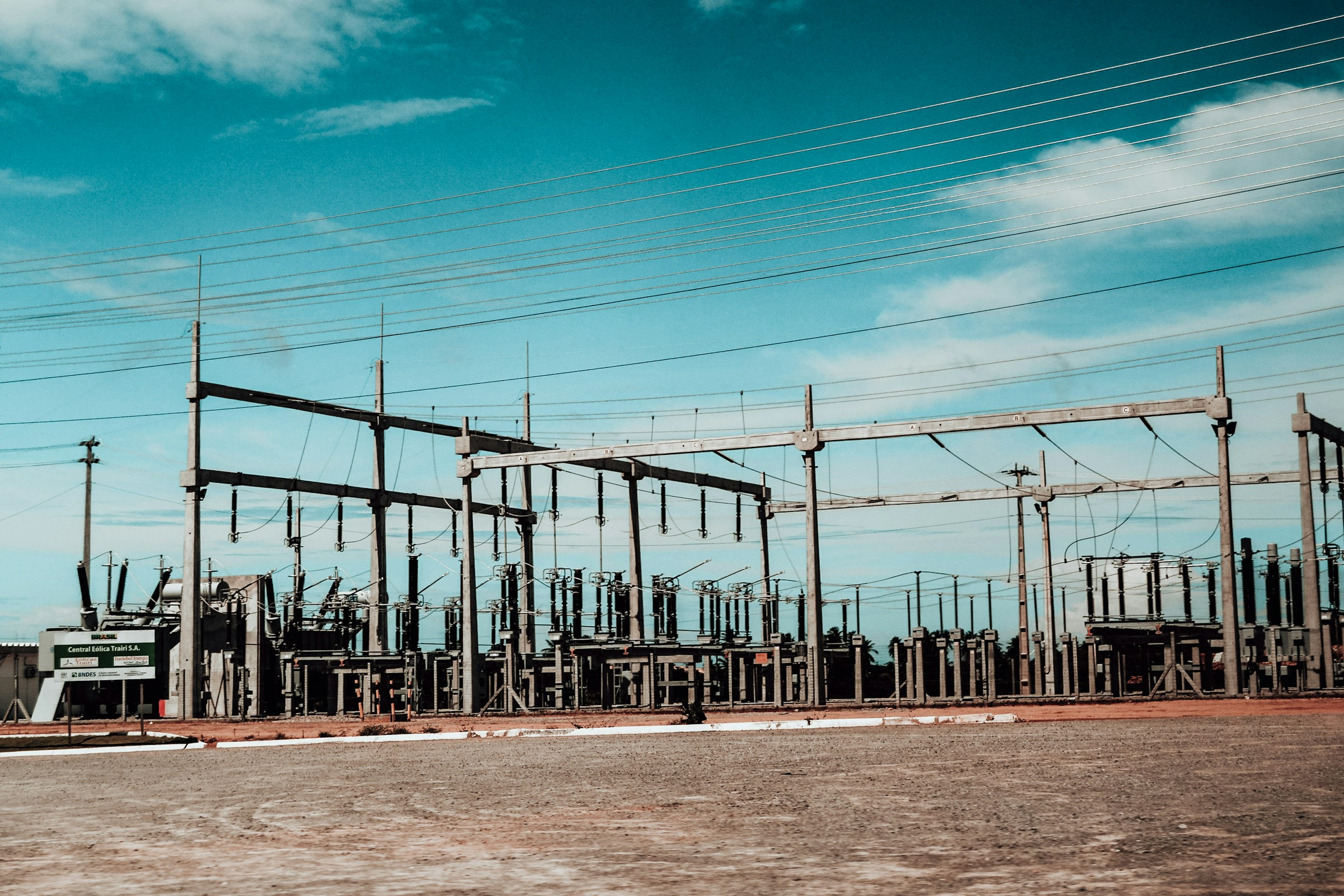
The clearest evidence of AI-related infrastructure demand sits inside Smart Infrastructure, where orders climbed 42% on a comparable basis to €8 billion. Siemens said its data-centre business recorded triple-digit order growth during the first nine months of the financial year and reached around €6 billion, with large electrification and electrical-products contracts secured from data-centre customers in Europe and the United States.
Smart Infrastructure generated €6.4 billion of quarterly revenue, up 13% on a comparable basis, while profit reached €1.3 billion and the margin rose to 20%. Improved capacity utilisation contributed to the result, showing how a spending cycle often described through Nvidia chips, cloud platforms, and model developers is reaching switchgear, power distribution, controls, and other less visible infrastructure.
AI spending moves into industrial supply chains
Data centres make unusually demanding industrial customers because additional computing capacity has to be matched by power distribution, cooling, controls, buildings, and network connections. As hyperscalers and AI providers add accelerator clusters, electrical systems capable of supporting large, continuous loads become part of the same procurement programme as servers.
The pattern is already visible in Frankfurt’s continuing data-centre expansion, where new computing capacity has become inseparable from available power and infrastructure design. Siemens has exposure across several layers of that buildout, making its order book a useful indication of how far AI capital expenditure is spreading beyond specialist technology suppliers.
Digital Industries provides another part of the picture, although growth there remains less uniform. Orders rose 9% on a comparable basis to €4.9 billion, revenue increased 10% to the same level, and software revenue grew 15% to €1.8 billion. Profit increased 44% to €923 million, with Siemens saying software made the largest contribution to the improvement.
Across the first nine months of the financial year, Siemens’ overall digital business grew by 18%, exceeding the 15% target it set last November. Management has tied that performance partly to industrial AI, but the figures also show how difficult it is to separate AI into a single product category when spending is distributed across simulation, design software, electrification, control systems, automation equipment, and physical computing estates.
Such breadth gives Siemens a different exposure to the current investment cycle from specialist AI vendors, though it does not remove sensitivity to slower industrial markets. Digital Industries still operates against uneven manufacturing demand, including weaker conditions in parts of China, while investors have become increasingly demanding about whether orders justify the valuation gains enjoyed by companies linked to AI infrastructure.
The shares fell after the results despite the record figures, illustrating how strongly future growth expectations have already been priced into some industrial technology groups. Strong demand does not remove the need to convert order books into profitable deliveries, particularly where capacity expansion, skilled labour, component availability, and project execution can determine margins several quarters after a contract is signed.
Siemens’ €132 billion backlog provides substantial visibility, while a book-to-bill ratio of 1.34 indicates that new orders continue to exceed recognised revenue. Sustaining that position will depend partly on whether data-centre customers keep spending at their current pace once more AI projects move from capacity building into scrutiny over utilisation and returns.
Industrial suppliers are benefiting from the present phase because AI investment is becoming a capital programme rather than merely a software purchase. Electrical equipment has to be manufactured, factories require automation, and new data-centre infrastructure needs controls that can be operated reliably for years rather than demonstrated briefly in a pilot.
Siemens’ latest quarter therefore shows AI expenditure reaching deep into the industrial economy. The durability of that benefit will depend less on another model launch than on whether businesses continue building the physical and digital systems required to put increasingly expensive computing capacity into productive use.